Campus Digest
The sports drinks trap
26 Nov 2018
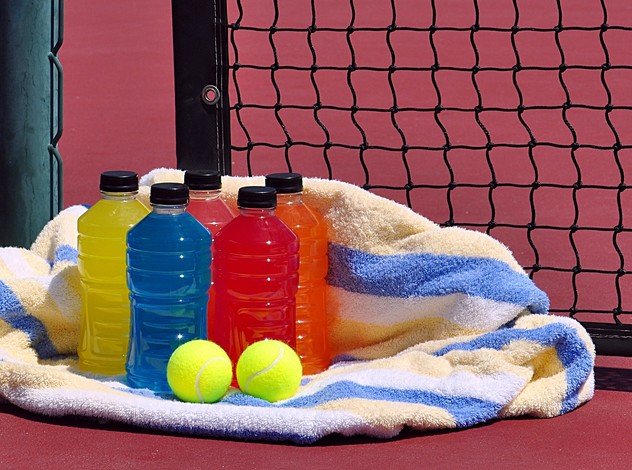

Consumption of "healthy" sports drinks is a popular trend. There are different kinds of sports and energy drinks with a "special" formula helping people to refuel and rehydrate. But these drinks may not be as healthy as it’s claimed in term of benefits and nutritional value.
Some may get confused by the differences between a sports drink and an energy drink. In fact, they have a different formula and serve different purposes. Energy drinks primarily contain caffeine and sugar which can stimulate the sympathetic nervous system, increasing heart rate and blood circulation to give you a physical and mental “boost". Whereas sports/electrolyte drinks contain water and carbohydrates, as well as electrolytes and minerals such as sodium, potassium, magnesium, and calcium to restore water and electrolytes lost through sweating after an activity.
Dr Lobo Louie, Associate Professor in the Department of Sport and Physical Education, explains: "American College of Sports Medicine (ACSM) released an official statement recently which said that it’s not recommended for children and teens to consume energy drinks because they appear to be at particularly high risk of complications from them and may lead to irritability. Even for adults, overconsumption of caffeine can have an adverse effect on the heart, nerves, stomach, kidneys and endocrine system as well as leading to exhaustion and health problem. Besides, there is a lack of evidence supporting the notion that these drinks can restore energy and improve sports performance. It is not recommended for adults to consume such drinks during exercise. On the other hand, electrolyte drinks offer an easily absorbed solution which can combat thirstiness and dehydration. However, since they also contain lots of sugar, regular consumption of electrolyte drinks may lead to excessive calorie intake and obesity."
Dr Louie adds that we should not only pay attention to food labels, but also pick fluid replacement options carefully according to our needs. In fact, water is the most appropriate choice to rehydrate and restore electrolytes for people exercising for less than an hour, whereas a sports drink can be used by those partaking in high-intensity or prolonged exercise such as a marathon or soccer match. Dr Louie also suggests mixing sports drink powder with more water to avoid consuming too much sugar.
Drinking cold liquids is also a popular way to quench thirst among those exercising, but Dr Louie says that consuming cold drinks of less than five degree Celsius is not good for our health during exercise as our blood vessels are also expanding at that time. Taking on too much cold liquid can also affect blood flow and lead to stomach ache. A recent experiment* found that drinking fluid with a temperature of 15-16 degree Celsius is the most effective way for the human body to rehydrate during and after exercise. Dr Louie also advises people to record their body weight before and after exercise in order to monitor water loss and rehydrate properly. Normally, the change in body weight should not exceed two percent. For every 1kg of body weight lost, 1.5 litres of water needs to be replaced.
* Source: https://www.ncbi.nlm.nih.gov/pmc/articles/PMC3762624/