Campus Digest
HKBU participates in WHO Global Summit on Traditional Medicine
Wednesday, 14 January 2026
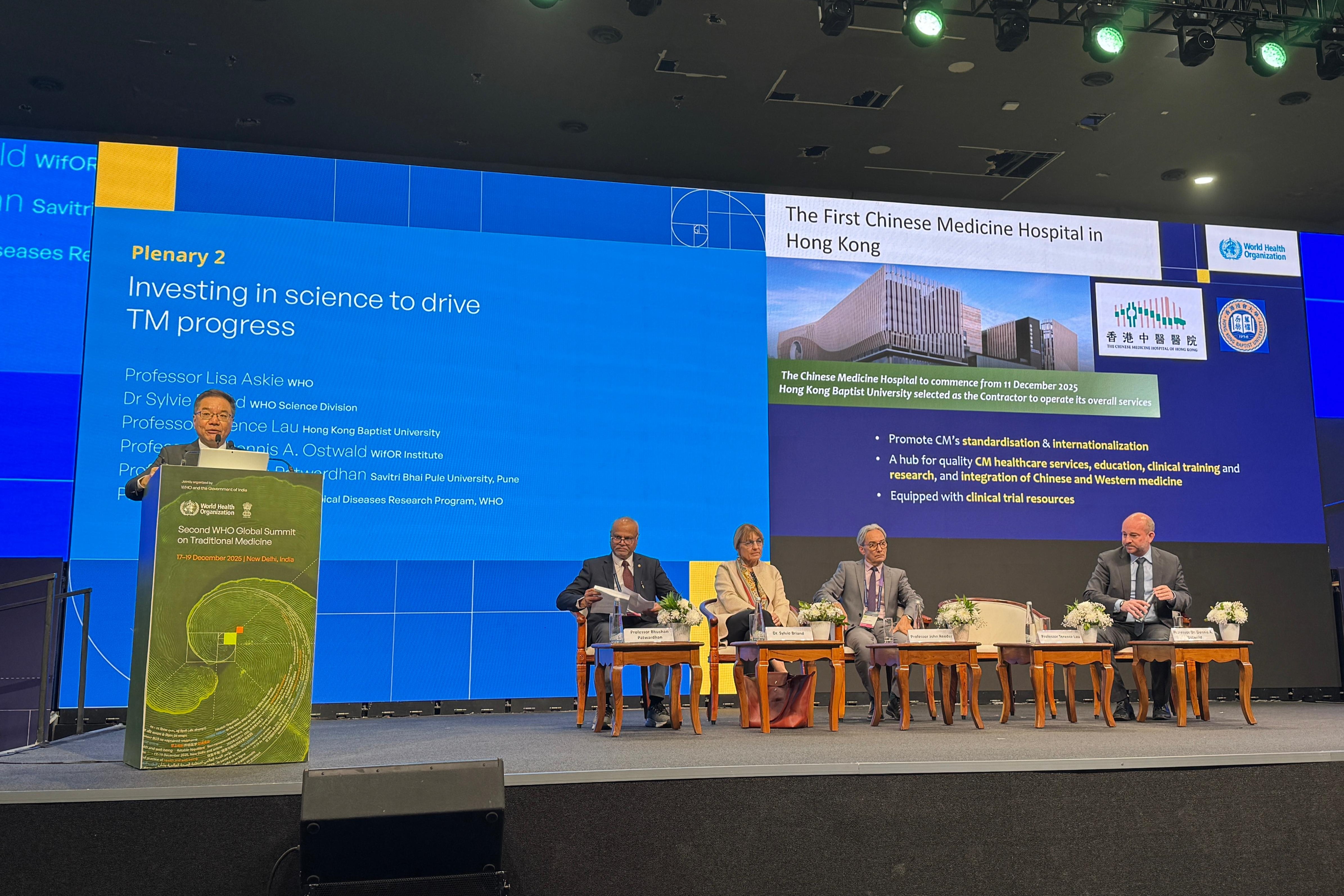
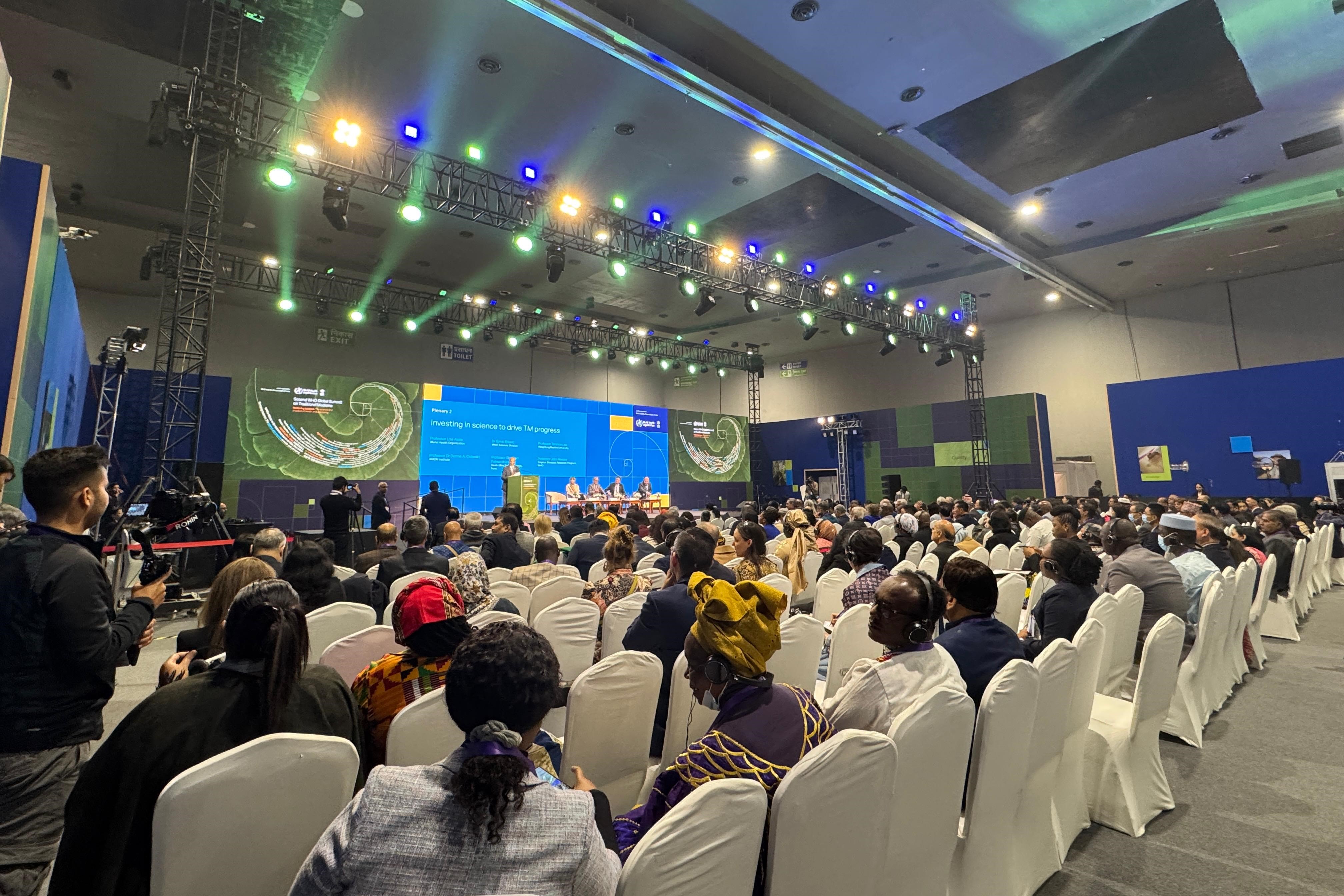
HKBU participated in the second WHO Global Summit on Traditional Medicine from 17 to 19 December 2025 in New Delhi, contributing to the development of a global roadmap to ensure safe, effective and evidence-based integration of Traditional Chinese medicine into healthcare.
The summit’s theme was “Restoring Balance: The Science and Practice of Health and Well-being”. Professor Terence Lau, Interim Chief Innovation Officer of HKBU and Director of the Wu Jieh Yee Institute of Translational Chinese Medicine Research (WJY ITCMR), spoke at the plenary session on “Bridging Tradition and Innovation: Science-Driven Strategies for Advancing Traditional, Complementary, and Integrative Medicine (TCIM) in Global Health”, alongside Dr Sylvie Briand, Chief Scientist of WHO and Professor Dr Dennis A. Ostwald, Founder and CEO of the WifOR Institute. Professor Lau emphasised the integration of modern science and TCIM, the need for research investment, cross-sector collaboration, and policy alignment to unlock TCIM’s potential in global health.
Professor Lau also shared projects and facilities at the WJY ITCMR to foster evidence-based development of traditional medicine and its standardisation with advance engineering science. With a generous donation of HK$230 million from the Wu Jieh Yee Charitable Foundation, the University established the WJY ITCMR in 2024 to accelerate clinical translation and commercialisation of Chinese medicine via cutting-edge research.
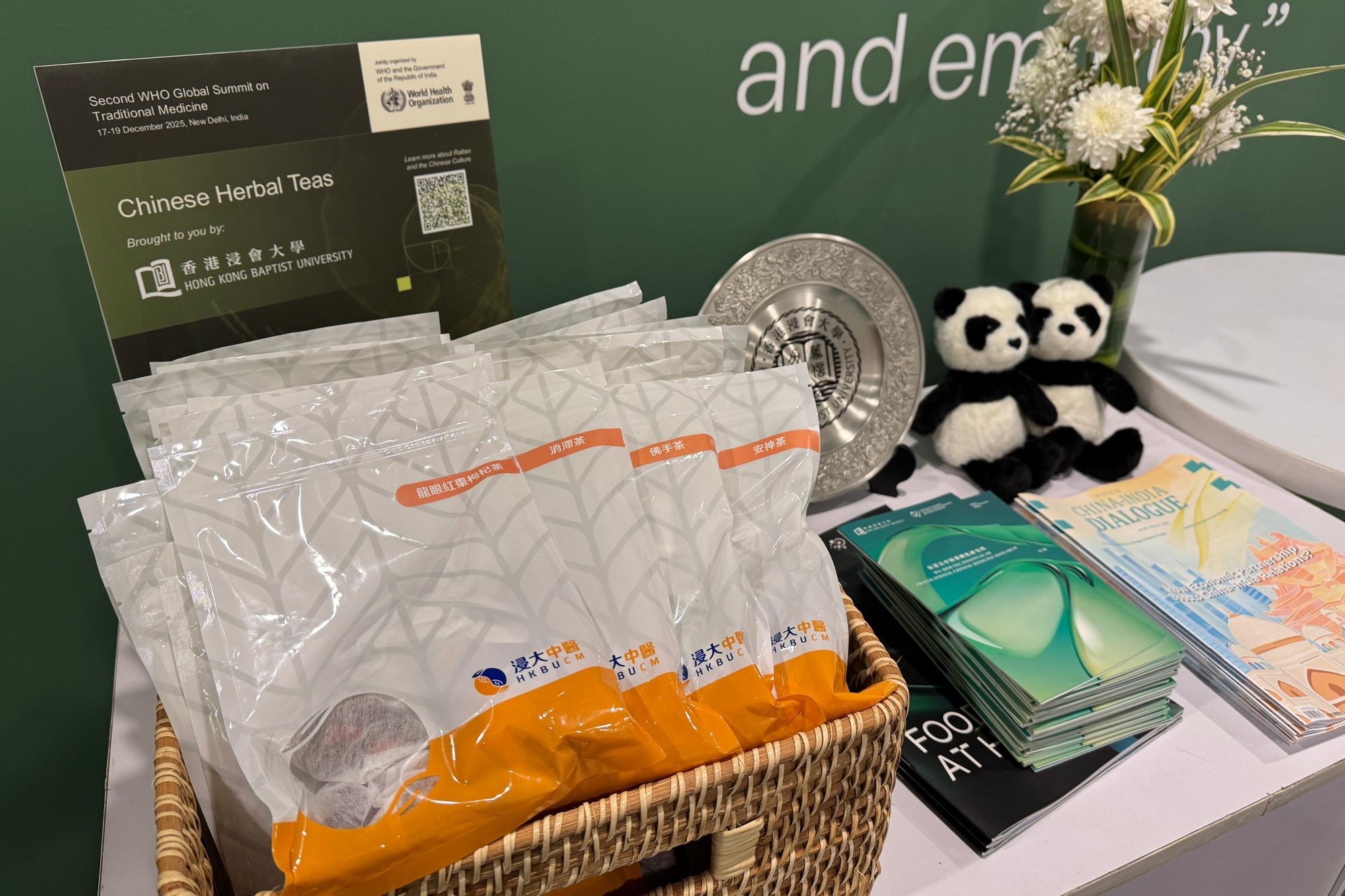
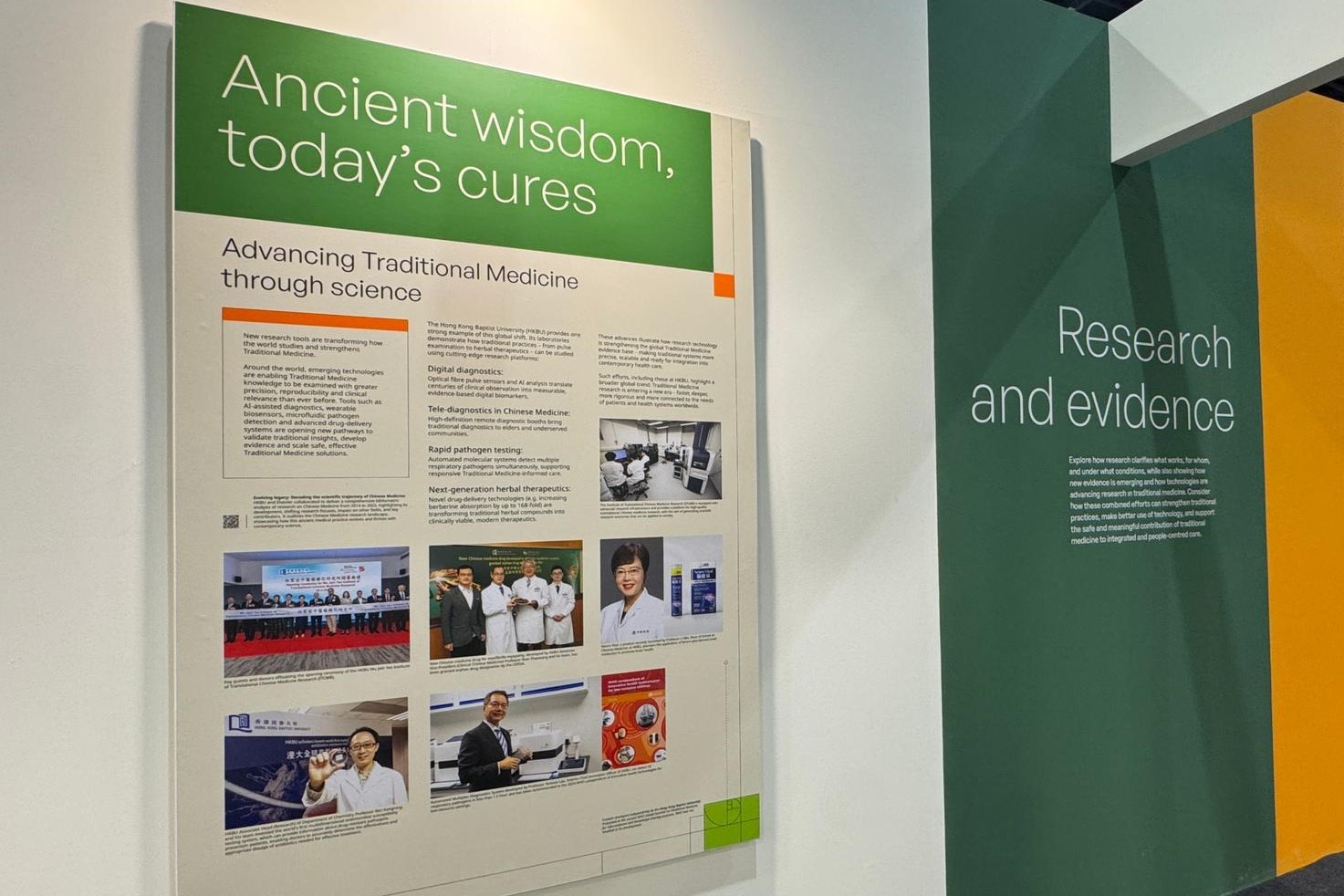
The Summit brought together government leaders, health practitioners, scientists and scholars to explore how traditional medicine can help shape more holistic and sustainable approaches to health. At the Summit Exhibition, HKBU’s Institute for Innovation and Translation showcased a Chinese medicine drug designated by the U.S. Food and Drug Administration as an orphan drug, a WHO-recommended diagnostic tool, lemon peel compounds for brain health, tele-diagnostics in Chinese medicine, and next-generation herbal therapeutics. Participants also enjoyed four kinds of herbal teas prepared by the School of Chinese Medicine, each supporting a specific aspect of well-being and bringing the wisdom of TCM to life.