Discover HKBU
CESAME leads a new era of sports and health science
30 Apr 2026
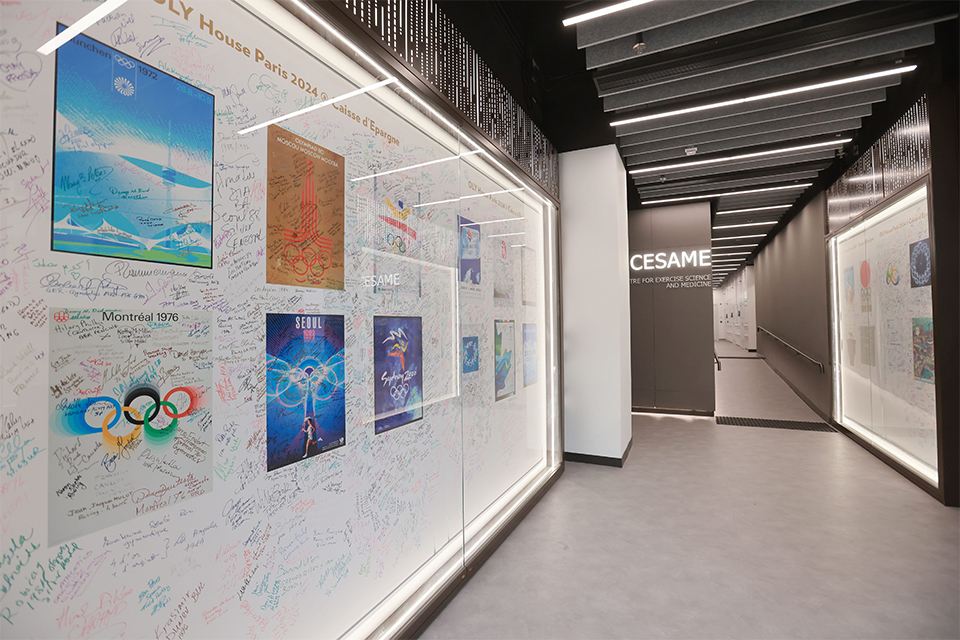
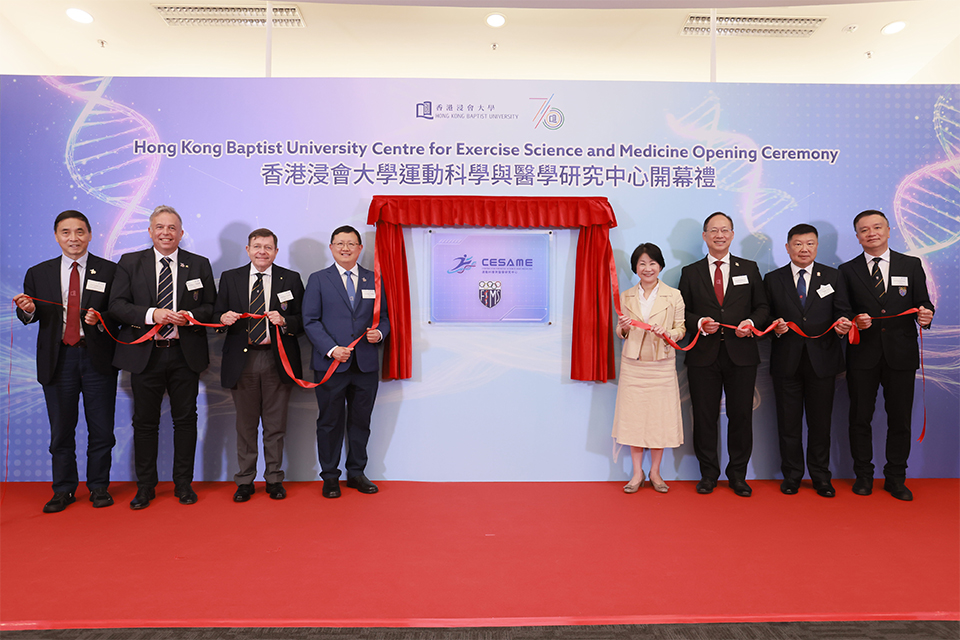
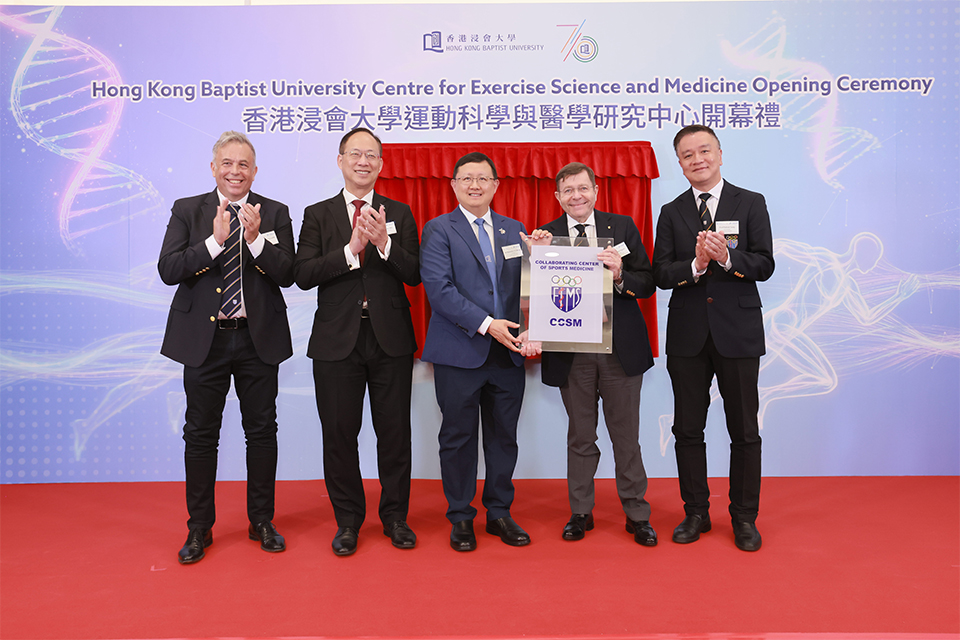
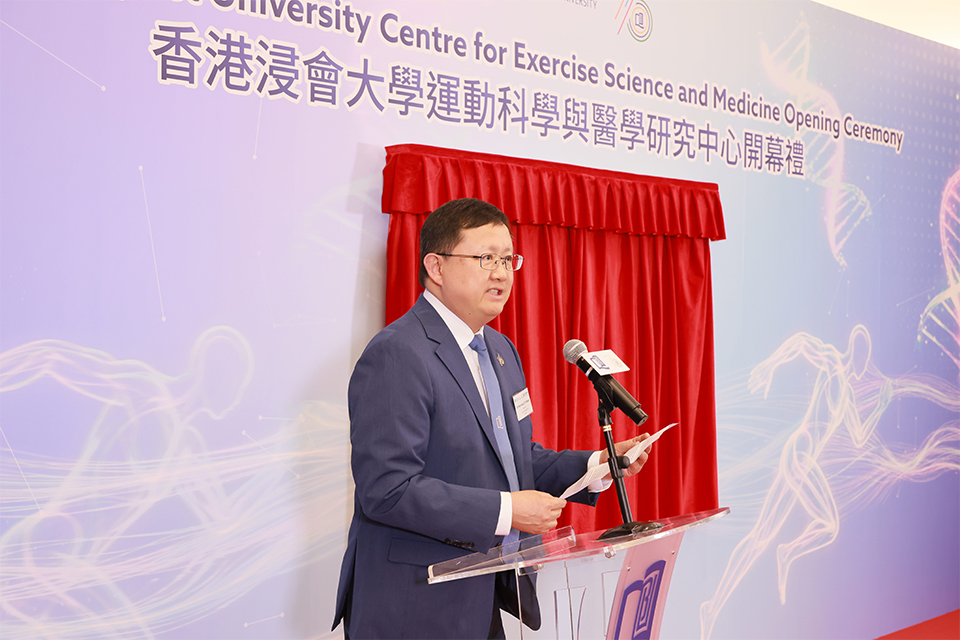
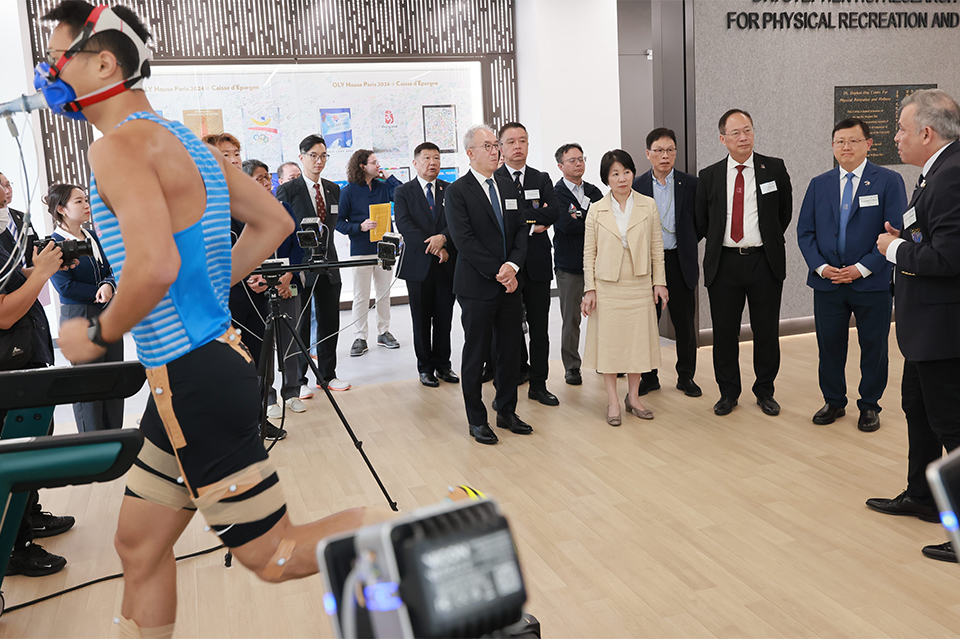
The newly established Centre for Exercise Science and Medicine (CESAME) at Hong Kong Baptist University (HKBU) is a transdisciplinary research hub driving new scientific momentum for elite sports and public health. CESAME is the first in Hong Kong, the third in the Nation, and one of just 29 worldwide recognised by the International Federation of Sports Medicine (FIMS) as a Collaborating Centre of Sports Medicine (CCSM), underscoring its international research standing.
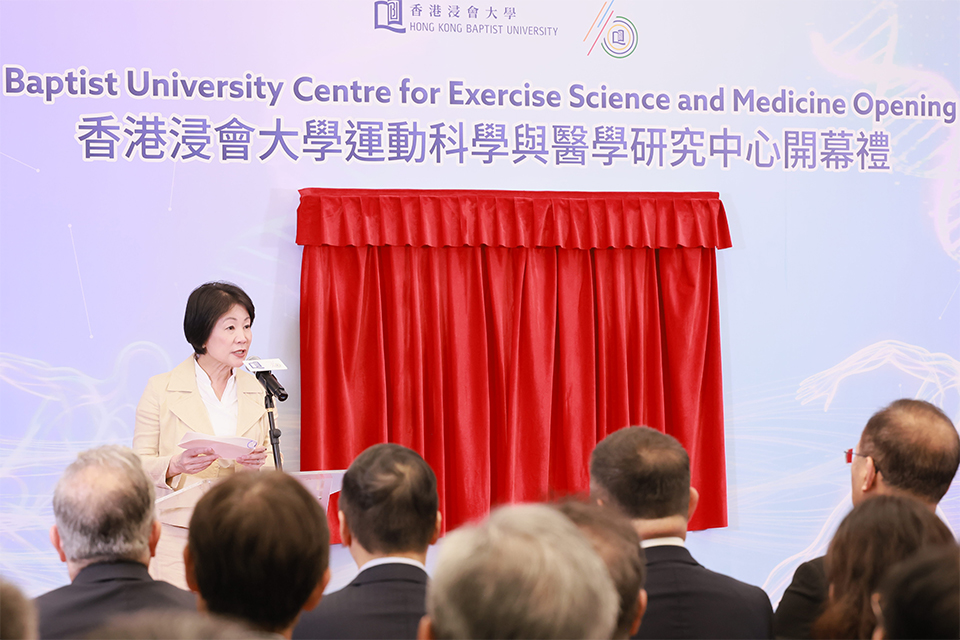
On 17 April 2026, the opening ceremony was officiated by Ms Vivian Sum Fong-kwang, Permanent Secretary for Culture, Sports and Tourism of the Government of the Hong Kong Special Administrative Region; Professor Fabio Pigozzi, President of FIMS; Professor Patrick Yung Shu-hang, Vice President of FIMS; Mr Edgar Yang, Honorary Secretary General of the Sports Federation & Olympic Committee of Hong Kong, China; Dr Kennedy Y H Wong, Chairman of the Council and the Court of HKBU; Professor Alex Wai, President and Vice-Chancellor of HKBU; Professor Lyu Aiping, Vice-President (Research and Development) cum Dean of Graduate School of HKBU; and Professor Yannis Pitsiladis, Director of CESAME at HKBU.
At the ceremony, Professor Fabio Pigozzi and Professor Patrick Yung Shu-hang presented the FIMS‑CCSM plaque to Dr Kennedy Y H Wong, Professor Alex Wai and Professor Yannis Pitsiladis.
Dr Kennedy Y H Wong said that: “We live in an era where the challenges surrounding sports, health, and holistic well-being are increasingly complex: from safeguarding the integrity of clean athletes and decoding the science of elite performance, to tackling the growing burden of chronic disease across Asia and beyond”
Research facilities
CESAME features a range of advanced laboratories and research facilities, spanning human movement analysis, body composition assessment, and studies at the genetic and molecular levels. Together, they form a complete sports science research system.
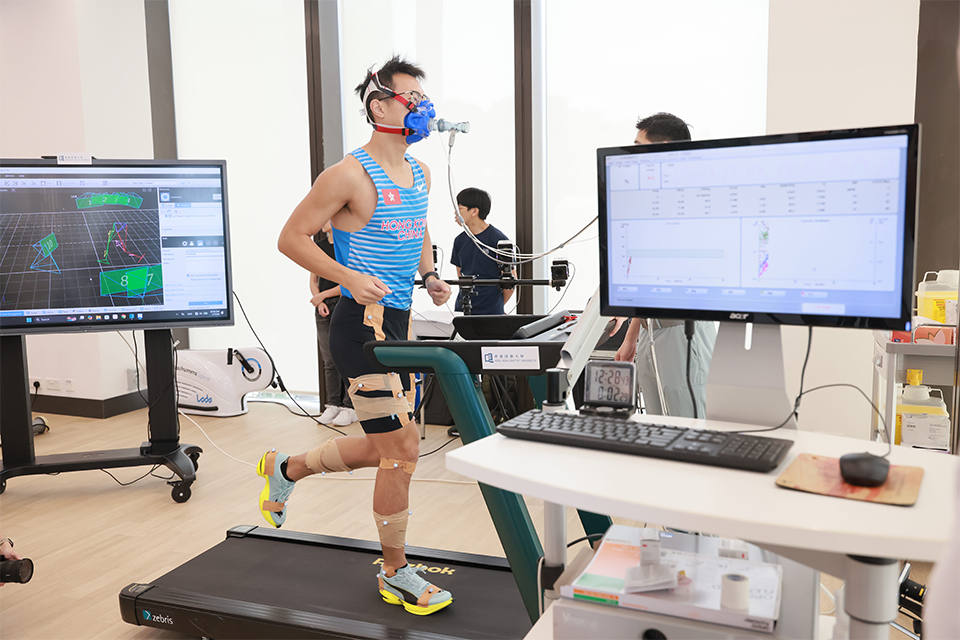
Biomechanics & Performance Lab
A performance-testing facility that combines biomechanics, physiology, and technology to analyse athletes’ movement and running performance through motion analysis and metabolic monitoring, with the following equipment:
Instrumented Pressure-Embedded Treadmill – Captures real-time ground reaction forces and plantar pressure distribution, quantifying running symmetry, impact loading, and gait dynamics with every step.
Vicon Motion Capture System – A high-speed, multi-camera optical system that tracks reflective markers on the runner to produce sub-millimeter, 3D joint kinematics and full-body movement analysis.
Vmax Encore229 Metabolic Cart – Measures breath-by-breath oxygen consumption and carbon dioxide production, providing precise data on energy expenditure, substrate utilisation, and cardiorespiratory efficiency.
RunScribe IMU Shoe Sensor – A lightweight, wearable inertial sensor mounted on the shoe that records cadence, foot strike pattern, pronation, shock impact, and stride length in real-world running conditions.
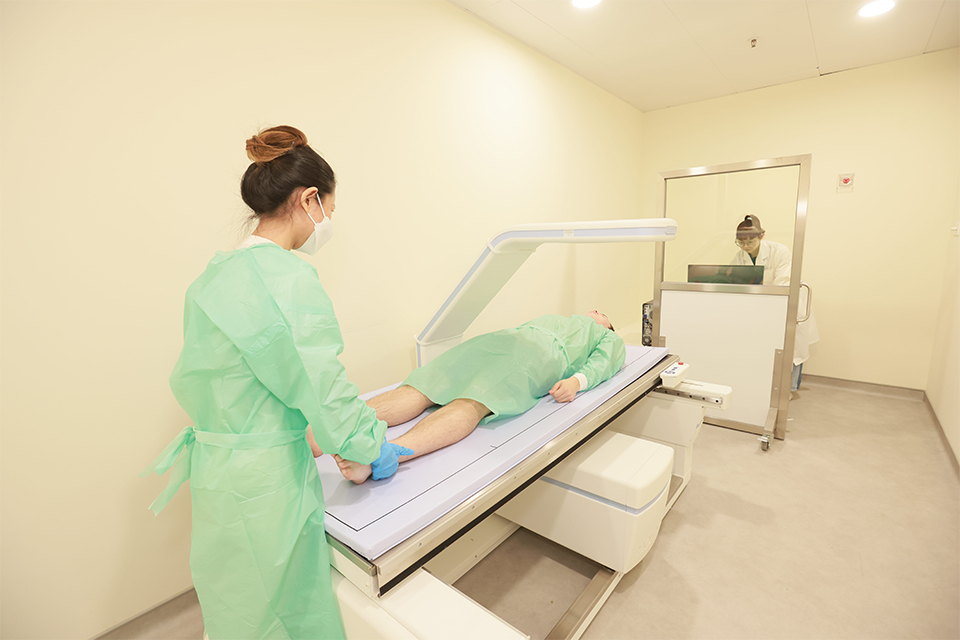
Advanced Body Composition (DEXA Suite)
A state-of-the-art facility for precise body composition and anthropometric analysis. Using highly advanced, low-dose imaging technology, it enables detailed assessment of bone density, muscle mass, and body composition, which is critical for both elite performance and clinical applications. The Main Hologic DXA System can provide clinical-standard fracture risk assessment.
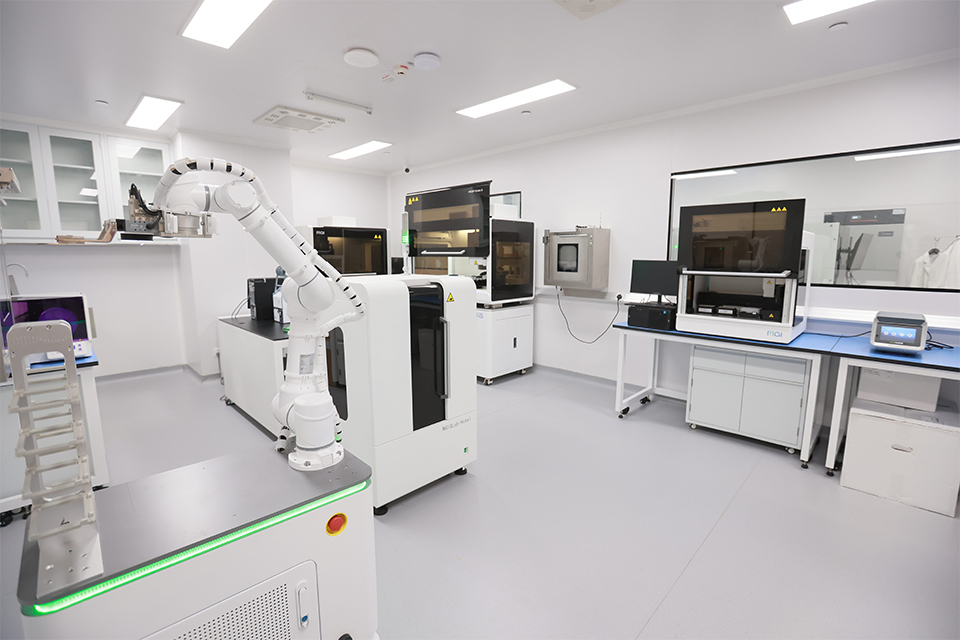
Multi-Omics, Genetics and Biomolecular Laboratories
A facility is equipped with automated robotic systems, advanced sequencing technologies, and real-time analytical workflows, enabling integrated multi-omics profiling across genomics, transcriptomics, epigenomics, and proteomics; making it one of the world’s most advanced integrated genomics environments in sports science. The work underway spans high-performance athlete genomics, anti-doping and drug detection, as well as research related to major sporting issues etc.
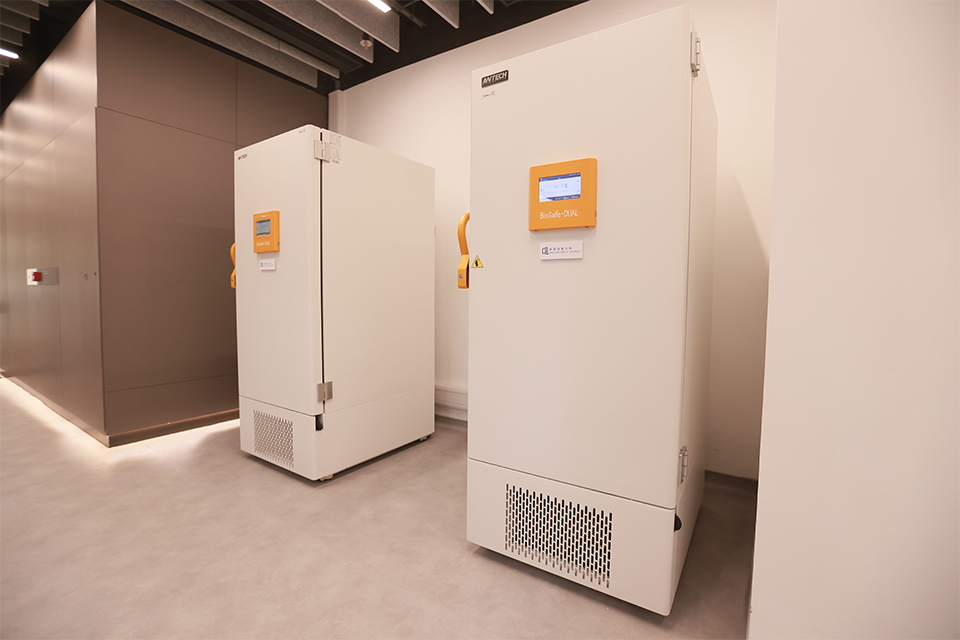
Biobank
A unique and growing global resource platform housing over 3,000 biological samples from elite athletes and research cohorts worldwide, enabling longitudinal research across performance, health, and disease.
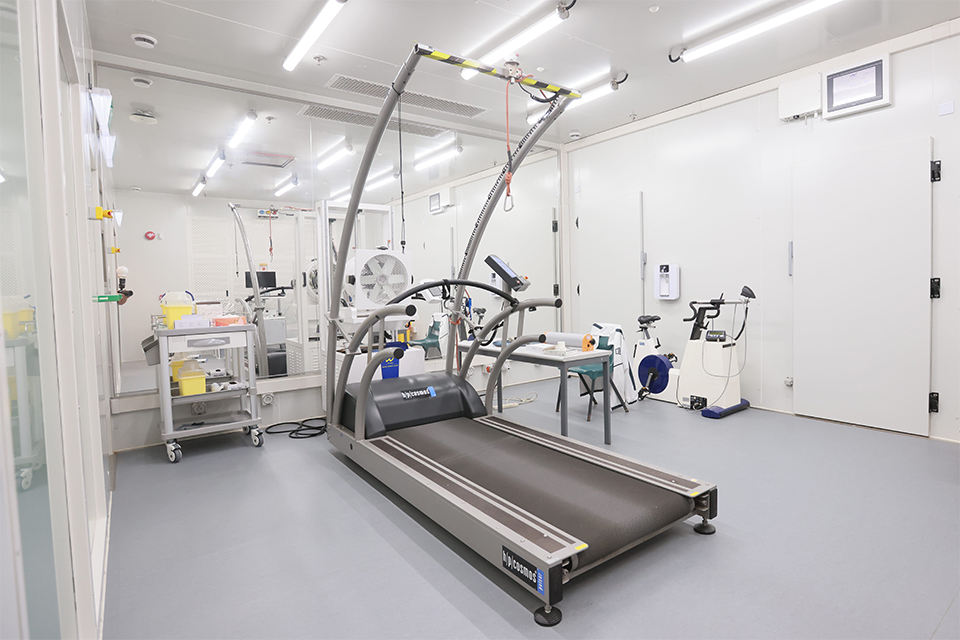
Environmental & Hypoxic Chamber
A highly specialised facility capable of simulating extreme conditions, including high altitude (low oxygen), heat, and cold, allowing researchers to study human performance and physiological response under controlled conditions.
Transdisciplinary vision for collaboration
CESAME adopts a transdisciplinary framework, integrating diverse fields such as physiology, biomechanics, genetics and molecular biology, neuroscience, artificial intelligence, wearable technology, and public health. By establishing connections across different domains, the Centre responds to key challenges in elite sports, preventive health, exercise-based therapy, and the sports industry, and is committed to translating its research into practical applications to support the development of the sports industry in Hong Kong and the region.