Discover HKBU
Breakthrough research offers hope for treating cognitive decline
27 Feb 2026
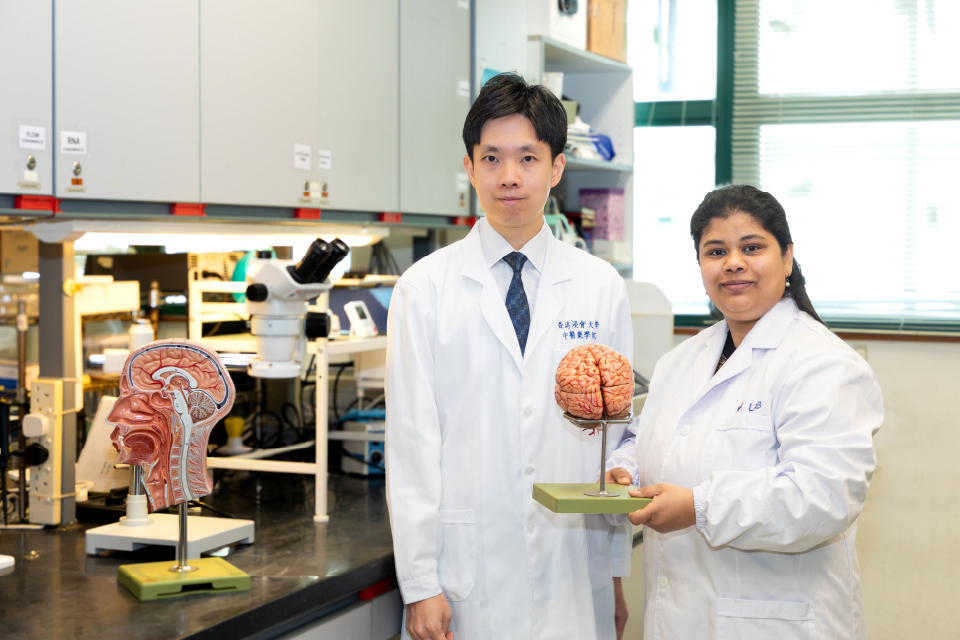
Living long is a blessing, but at times it comes with the caveat of cognitive decline and memory loss. In a pioneering study, a research team led by Professor Xavier Wong Hoi-leong, Professor of the Teaching and Research Division of the School of Chinese Medicine of HKBU, has identified a promising new approach for treating cognitive impairment and other neurodegenerative diseases.
Offers hope for memory restoration
Professor Wong and his team have found that pharmacologically inhibiting a specific enzyme in the brain cells of mice can restore memory and reverse cognitive deficits linked to ageing and obesity.
The enzyme in question is the membrane type 1 matrix metalloproteinase (MT1-MMP) found in the hippocampus, the brain’s memory centre. After genetically blocking or deleting MT1-MMP in the mouse models and assessing their memory and learning with multiple tests, the team observed that the aged mice with reduced MT1-MMP levels performed comparably to the young mice. The team also experimented with the use of a chemical inhibitor targeting MT1-MMP. Once again, they observed improved learning and memory of the aged mice, without detectable toxicity.
The team went one step further and conducted similar tests in obese mice, using the same MT1-MMP chemical inhibitor. The results were the same, with improvements in both their memory and learning, suggesting MT1-MMP as a promising therapeutic target for a range of age-related diseases, including neurodegeneration, obesity, diabetes, and atherosclerosis.
Clinical development in the pipeline
“Our study demonstrates, for the first time, that cognitive impairment in ageing and obesity is driven by a mechanism centred on MT1-MMP. The MT1-MMP inhibitors can effectively improve cognitive dysfunctions without any signs of toxicity, highlighting the potential to develop safe and effective pharmaceutical therapies,” highlights Professor Wong. The findings have since been published in the international scientific journal Cell Discovery.
The next phase of the research will focus on advancing the MT1-MMP inhibitors into clinical development, so as to provide new therapeutic options for individuals facing cognitive decline associated with ageing, obesity, or related conditions. These groundbreaking findings represent an inspiring milestone in medical research, rekindling hope for effective treatments of neurodegenerative conditions and potentially improving the quality of life for the elderly and their caregivers.