Discover HKBU
Innovating the future of oncology technology
30 Jan 2026
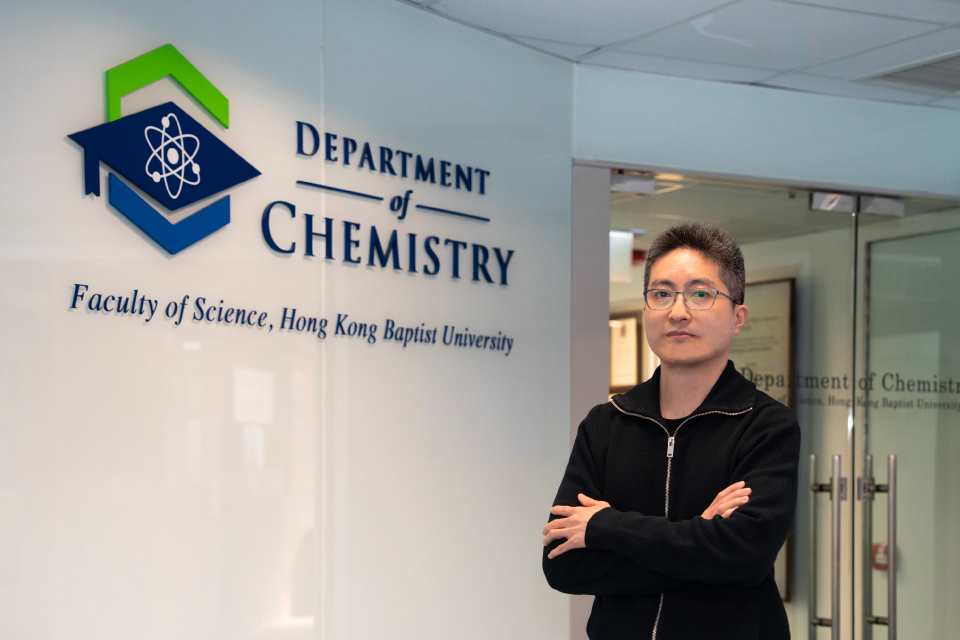
At the outset, Professor Lung Hong Lok, Associate Professor of the Department of Chemistry, draws an intriguing parallel between oncogenes – genes that convert healthy cells into malignant ones - and tumour suppressor genes, which inhibit the unchecked growth of cancerous cells. He likens this dynamic to the delicate balance of Yin and Yang in Chinese philosophy, where opposing forces co-exist to maintain harmony by keeping potentially cancerous cells in check.
The ubiquitous threat of EBV
The oncogene in question is the Epstein-Barr virus (EBV), one of the most common viruses in humans, having infected more than 90% of the population worldwide. It has been associated with nasopharyngeal carcinoma (NPC), a highly prevalent virus in Hong Kong and southern China. “While this ubiquitous virus remains largely dormant in the human body, it can resurface when one’s immune system is compromised,” observes Professor Lung.
Professor Lung explained that EBV has long been known as the major cause of NPC. On the other hand, he cited a spike in diagnosed NPC cases in the 1980s among Hong Kong fishermen, whose dietary habit of salted fish consumption has been identified as a risk factor.
Over the years, thanks in part to improved nutrition and a heightened sense of health awareness, there has been a drop in incidences and mortality rates of NPC. Having said that, NPC still remains one of the top ten cancers affecting men especially in their 40’s, with a male-to-female ratio of approximately 3:1.
A novel and targeted approach to cancer treatment
Against this backdrop, Professor Lung developed a novel anti-EBV drug that selectively disrupts the viral protein produced by EBV, effectively shrinking the tumours caused by the virus. The peptide-based therapy is administered through injection into the bloodstream, attaching to a fluorescent small molecule which can theoretically trace the tumour cells’ location while inhibiting the virus.
What sets this novel approach apart from conventional therapies is its ability to specifically target cancerous cells without damaging the surrounding healthy tissue. Testing on animals is ongoing to find a safe balance between the retention of the anti-EBV drug in the body and its potential toxicity, ensuring excretion occurs within 24 hours.
“My research in this area was partly influenced by my former supervising professor, whose husband suffered from NPC. The side effects from chemotherapy and radiotherapy were quite strong, and I wondered if there could be treatments with less potent side effects,” Professor Lung continues.
Harnessing interdisciplinary research for disease prevention
Professor Lung also highlights the importance of interdisciplinary research in the study of cancer treatment. “In the past, research on cancer treatments, such as genetic studies, was primarily conducted within laboratory settings. However, there is now a growing recognition of the role of psychosocial factors such as stress, and other elements of neuroscience, as contributing to the development and progression of cancer.”
In the roadmap to put the EBV-related findings into clinical application, Professor Lung’s next goal is to proceed to Phase 1 trial on safety, which will be conducted in NPC patients or healthy individuals to observe any adverse effects.
“We need to submit an Investigational New Drug application to the U.S. Food and Drug Administration before we can conduct any human clinical trials. Our challenge is to find investors willing to fund this critical phase of research and help transform scientific breakthroughs into life-saving therapies,” concludes Professor Lung.