Press Release
HKBU finds Chinese medicine herbal formula effective in relieving depression, anxiety and sleep issues in four weeks
Thursday, 9 October 2025
In today’s fast-paced life, many individuals struggle with low mood, anxiety and poor sleep. A research team led by Hong Kong Baptist University (HKBU) has discovered that the Chinese medicine herbal formula, DEP-2306, can significantly alleviate these symptoms for people suffering from Depressive Episodes with Insufficient Symptoms (DEIS) within just four weeks.
On the eve of the World Mental Health Day on 10 October, the research results highlighted the potential of Chinese medicine in playing a more significant role in addressing mental health issues which has become a salient public health challenge for the worldwide population.
DEIS is a mild mental health condition in which an individual showed depressed mood with at least one other symptom of a major depressive episode (such as sleep disturbances, fatigue, difficulty in concentrating and remembering) lasting for two weeks. It was reported that DEIS has a high prevalence of about 11% of the general population and has negative impact on people’s quality of life.
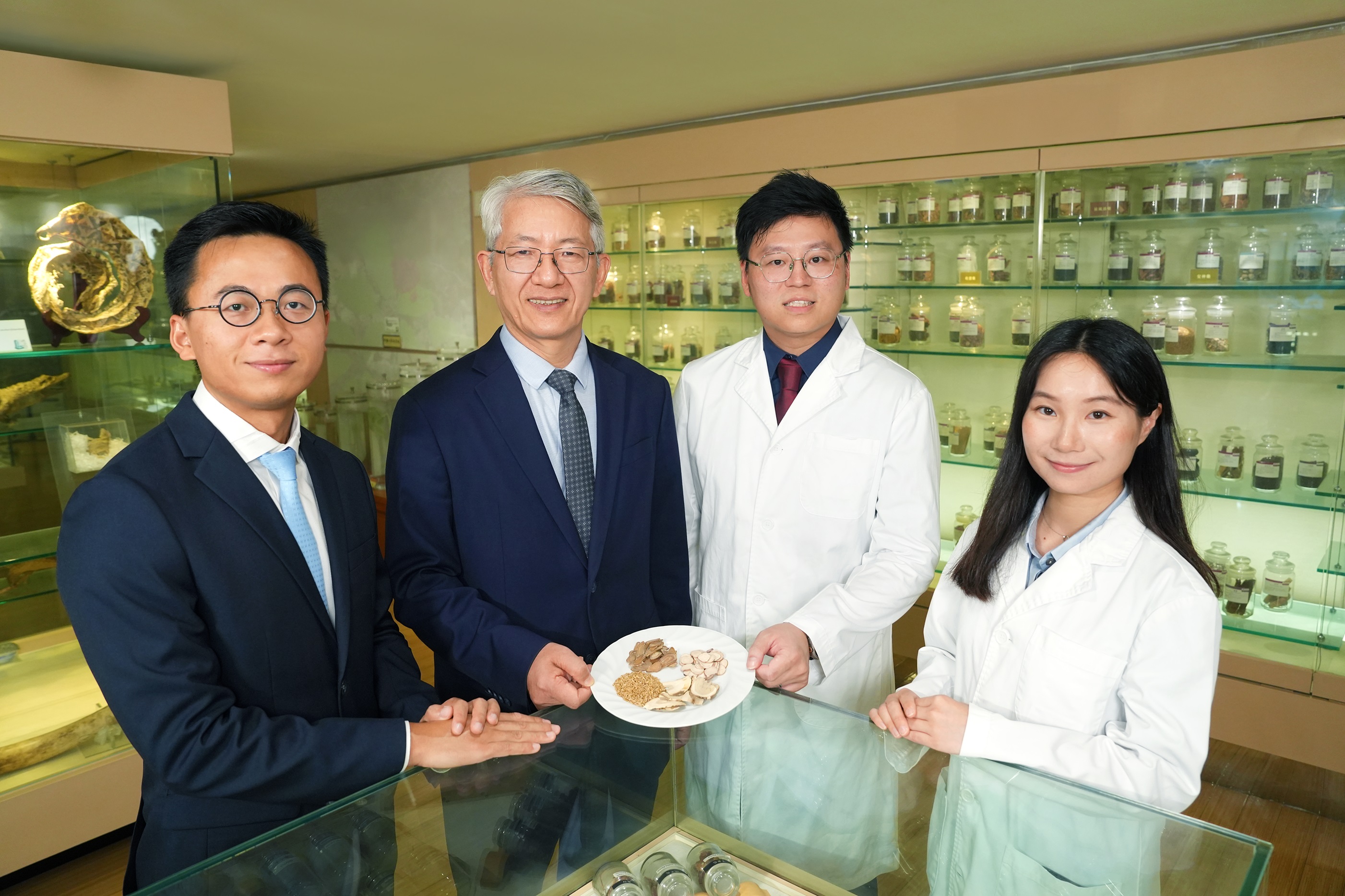
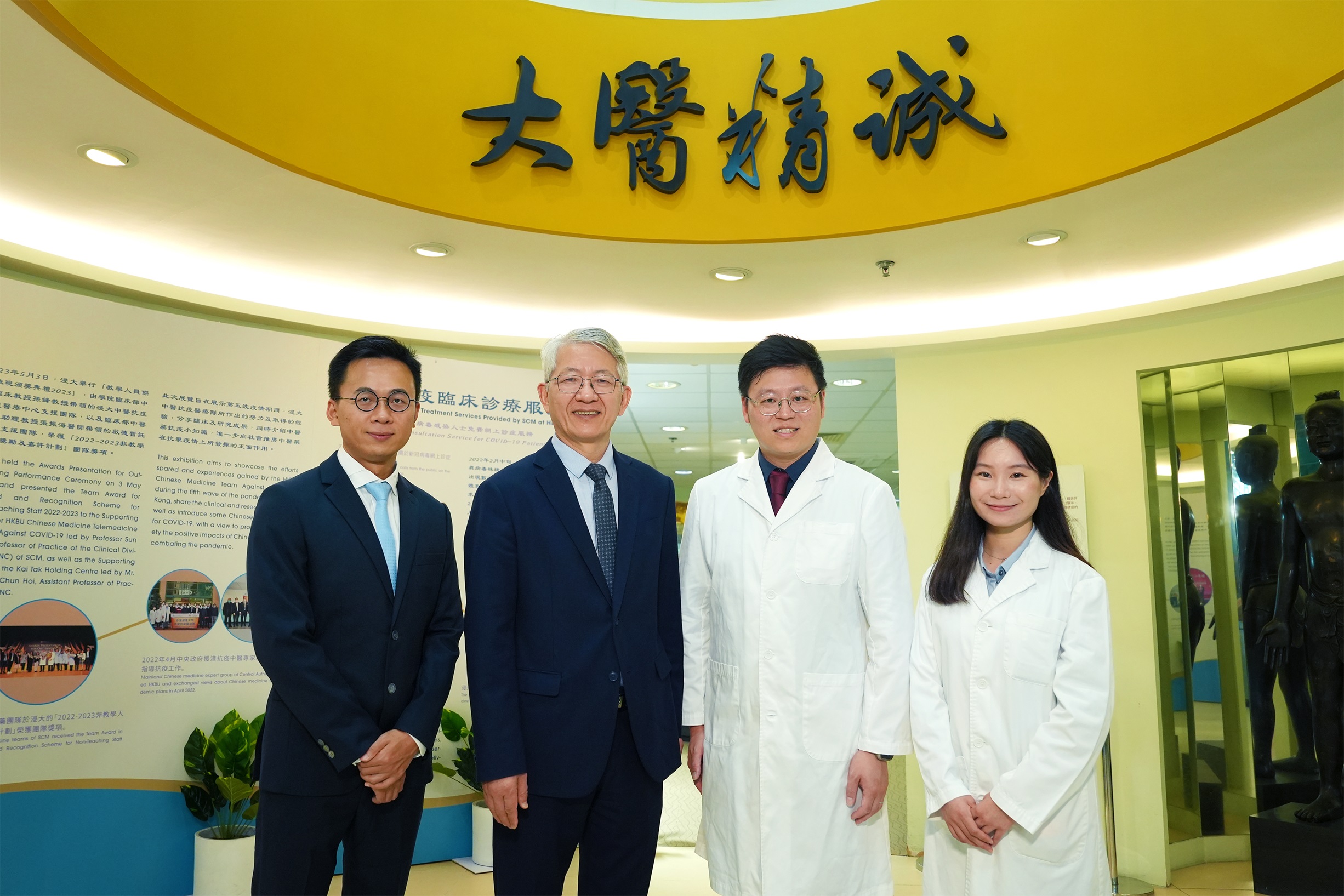
Dr Danny Yu, Research Assistant Professor, Clinical Division of the School of Chinese Medicine (SCM), and Professor Bian Zhaoxiang, Associate Vice-President (Clinical Chinese Medicine) and Chair Professor, Clinical Division of SCM at HKBU, led a study to assess the effectiveness of DEP-2306 on adults with DEIS. Other members from SCM include Ms Tang Hiu-to, a PhD student, and Dr Fang Haoming, Lecturer II.
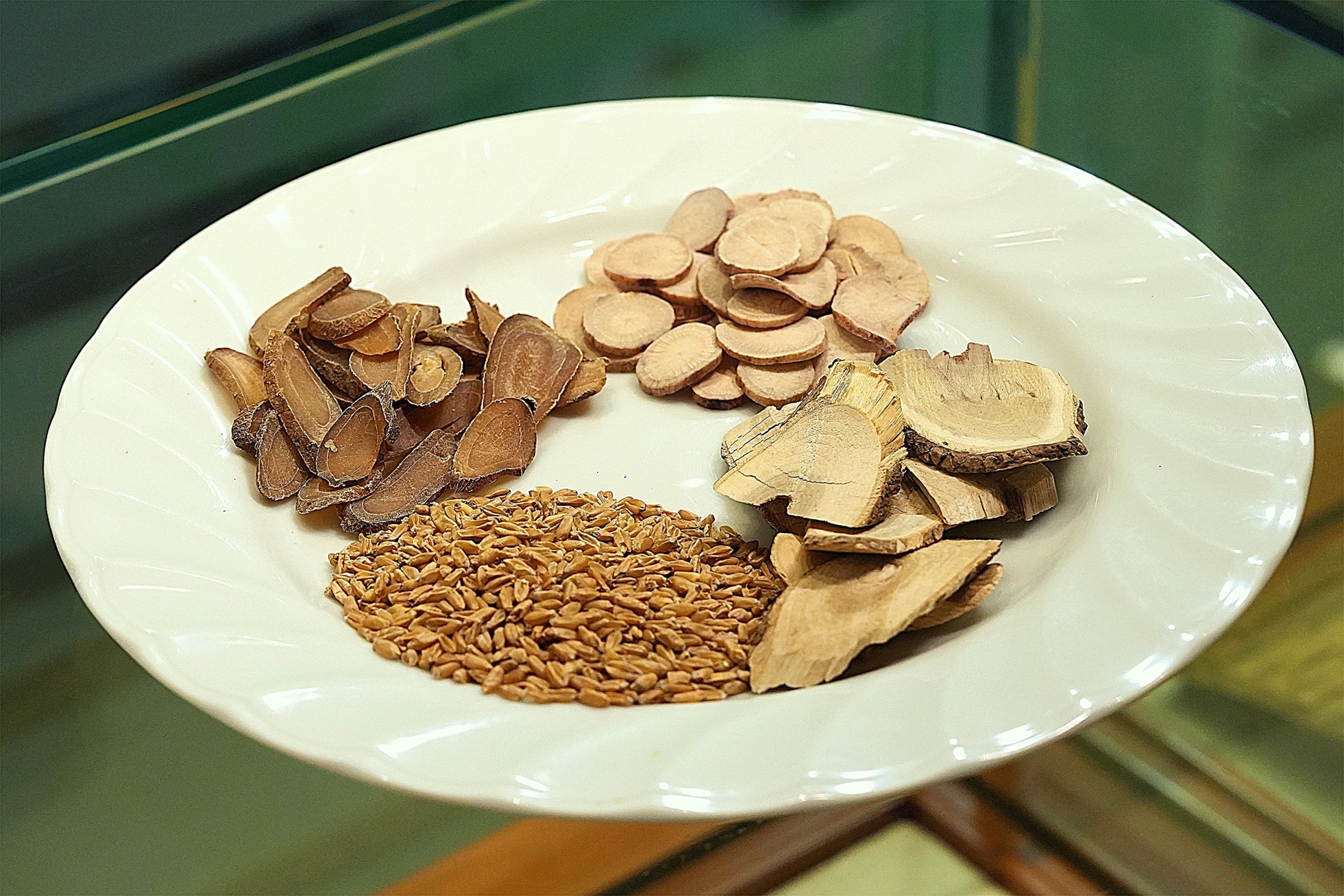
DEP-2306, which includes core ingredients such as Curcumae Radix (鬱金), Paeoniae Radix Alba (白芍), Triticum aestivum (浮小麥), and Acanthopanacis Senticosi Radix et Rhizoma (刺五加), is designed to “soothe the liver” to alleviate depression, “calm the spirit” to improve sleep quality and reduce anxiety, and “boost energy” to relieve fatigue.
The research team analysed the clinical data of 67 local DEIS patients aged 18 to 65. They were administered with DEP-2306 for four weeks between June 2023 and January 2024. Standardised questionnaires widely adopted for clinical evaluation of different sleep and mental health outcomes were deployed to assess the effectiveness of the intervention.
Scores from the assessments revealed substantial relief in relevant sleep and mental health conditions of the patients. For instance, the average score on depression severity dropped significantly from 11.8 to 6.7 (measured by the Patient Health Questionnaire); the average score on anxiety levels decreased from 10.6 to 6.0 (measured by the Generalised Anxiety Disorder scale); and the average score on sleep quality dropped from 10.3 to 7.9 (measured by the Pittsburgh Sleep Quality Index). Furthermore, around 40% of participants reported remission with a significant reduction in depressive symptoms. The research findings have been published in the academic journal Stress and Health.
In Chinese medicine, emotional illnesses result from the disorder of the seven emotions, i.e. anger, joy, thinking, sadness, grief, fear and shock, which are believed to stem from imbalances in five viscera. Instead of characterising emotional illness as a specific disease, Chinese medicine adopts the philosophy of “holistic treatment” to improve patients’ psychological and physical conditions.
“The research findings underscored the Chinese medicine formula’s potential in addressing mental health challenges holistically. Individuals with mild depressive symptoms may be unable or reluctant to seek conventional psychological or pharmacological treatments because of insufficient supply of and the social stigma associated with these services. The research offers hope for identifying an effective, safe and timely alternative treatment for DEIS with less social stigma, and helps society to respond to mental health issues as a salient public health challenge,” said Professor Bian Zhaoxiang.
Currently, the research team’s findings are benefiting patients suffering from common mental health issues, such as insomnia, anxiety and depression, under the Jockey Club Traditional Chinese Medicine-driven Mental Wellness Project (the Project), which aims to offer free Chinese medicine treatments and counselling to 5,000 adults with sleep and common mental disorders. Supported by The Hong Kong Jockey Club Charities Trust, the Project is organised by the Clinical Division of SCM, and led by Professor Bian Zhaoxiang, Professor Yang Junjun, Executive Associate Director and Professor of Practice of the Clinical Division of SCM, and Dr Cheung Chun-hoi, Assistant Professor of Practice of the Clinical Division of SCM.
“We are committed to advancing the application of Chinese medicine in mental health care to benefit the wider community, as well as promoting the standardisation and internationalisation of Chinese medicine. The research team will continue to gather related clinical data before the Project’s conclusion in June 2026 to support future studies on the clinical application of DEP-2306,” said Dr Danny Yu.
Due to the personalised nature of Chinese medicine, people experiencing sleep and mental disturbances should seek guidance from a qualified healthcare professional rather than self-medicating with the Chinese medicine formula used in this study. Members of the public can read more information about the Jockey Club Traditional Chinese Medicine-driven Mental Wellness Project from its official website (https://hkjcmw.hkbu.edu.hk/en.html).