Press Release
HKBU non-local students experience Hakka culture at
three-day Lai Chi Wo service-learning camp
Monday, 9 March 2026
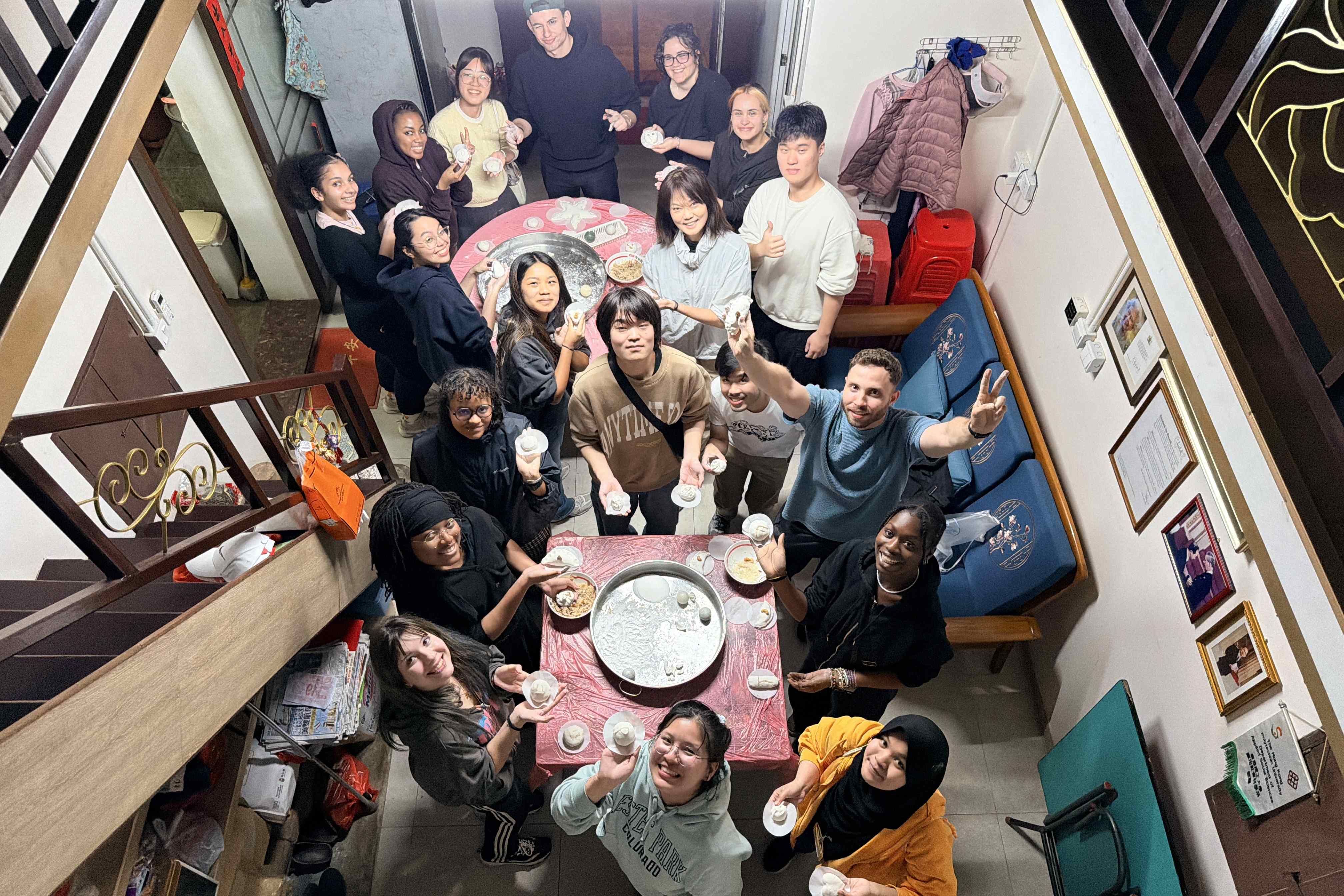
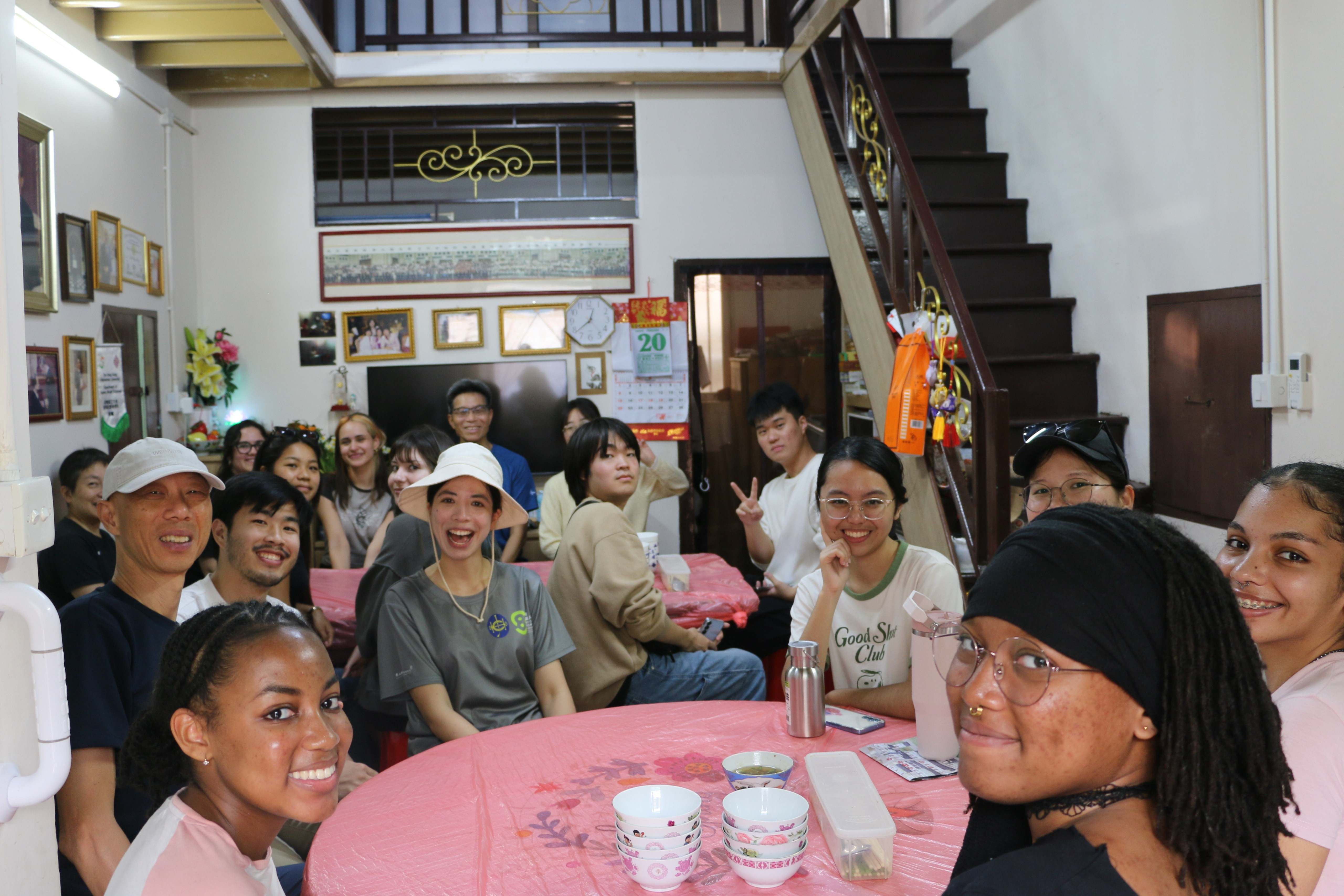
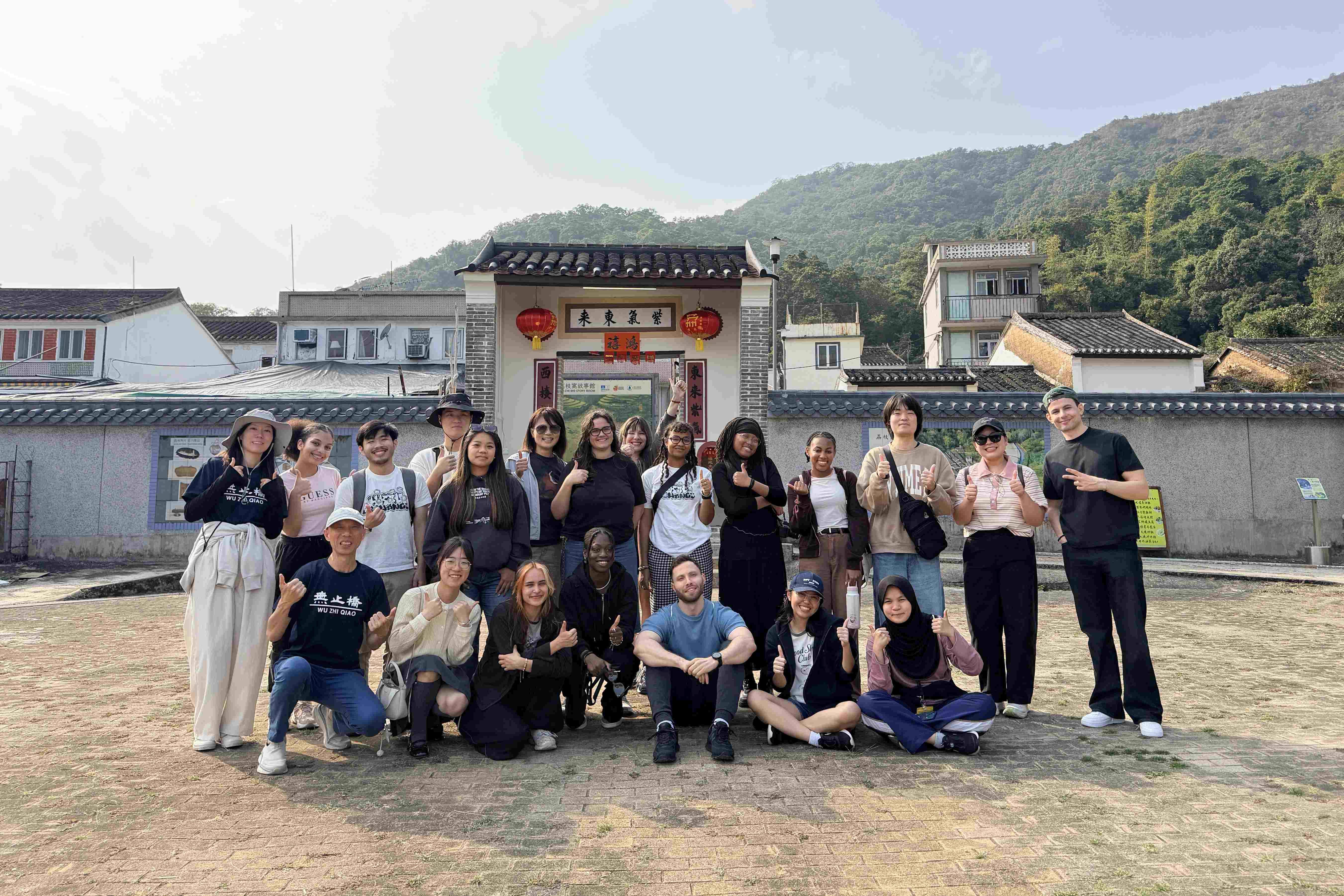
Around 20 students from more than ten countries and regions at Hong Kong Baptist University (HKBU) recently embarked on a three-day, two-night service-learning trip to Lai Chi Wo in Sha Tau Kok. They gained firsthand insights into Hakka life and engaged in cultural exchanges with local villagers, helping to transform this 300-year-old Hakka walled village in the New Territories into a vibrant “miniature global village” where East meets West.
HKBU is committed to providing non-local students with rich learning experiences and enhancing their understanding of diverse cultures, thereby encouraging more students to “Study in Hong Kong”. HKBU jointly organised the first-ever “International Student Rural Revitalisation Service-Learning Camp” with the charitable organisation Wu Zhi Qiao, attracting around 20 non-local students from the Chinese Mainland, Albania, France, Germany, Greece, Hungary, the Philippines, Singapore, South Korea, Sweden, Thailand, and the United States.
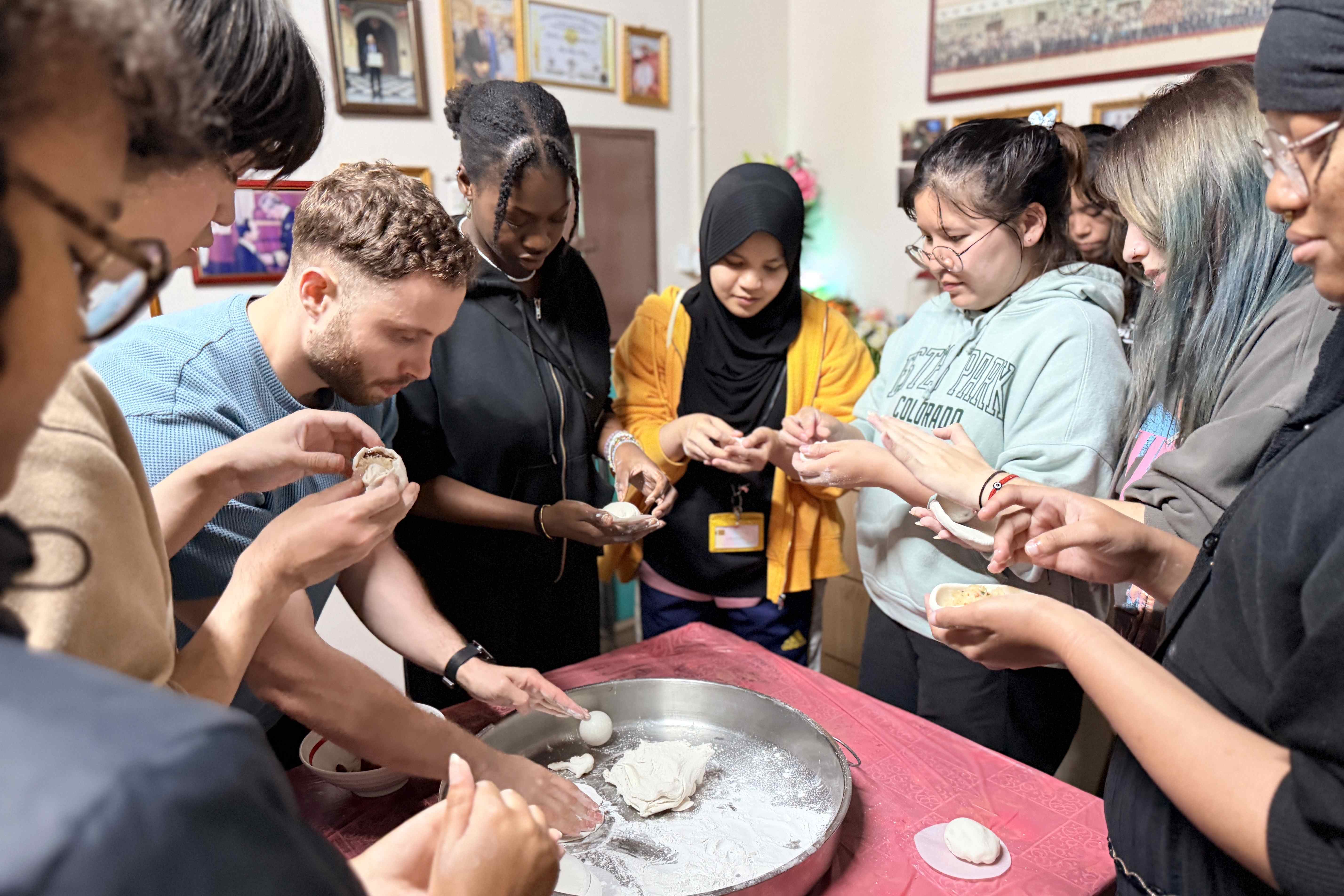
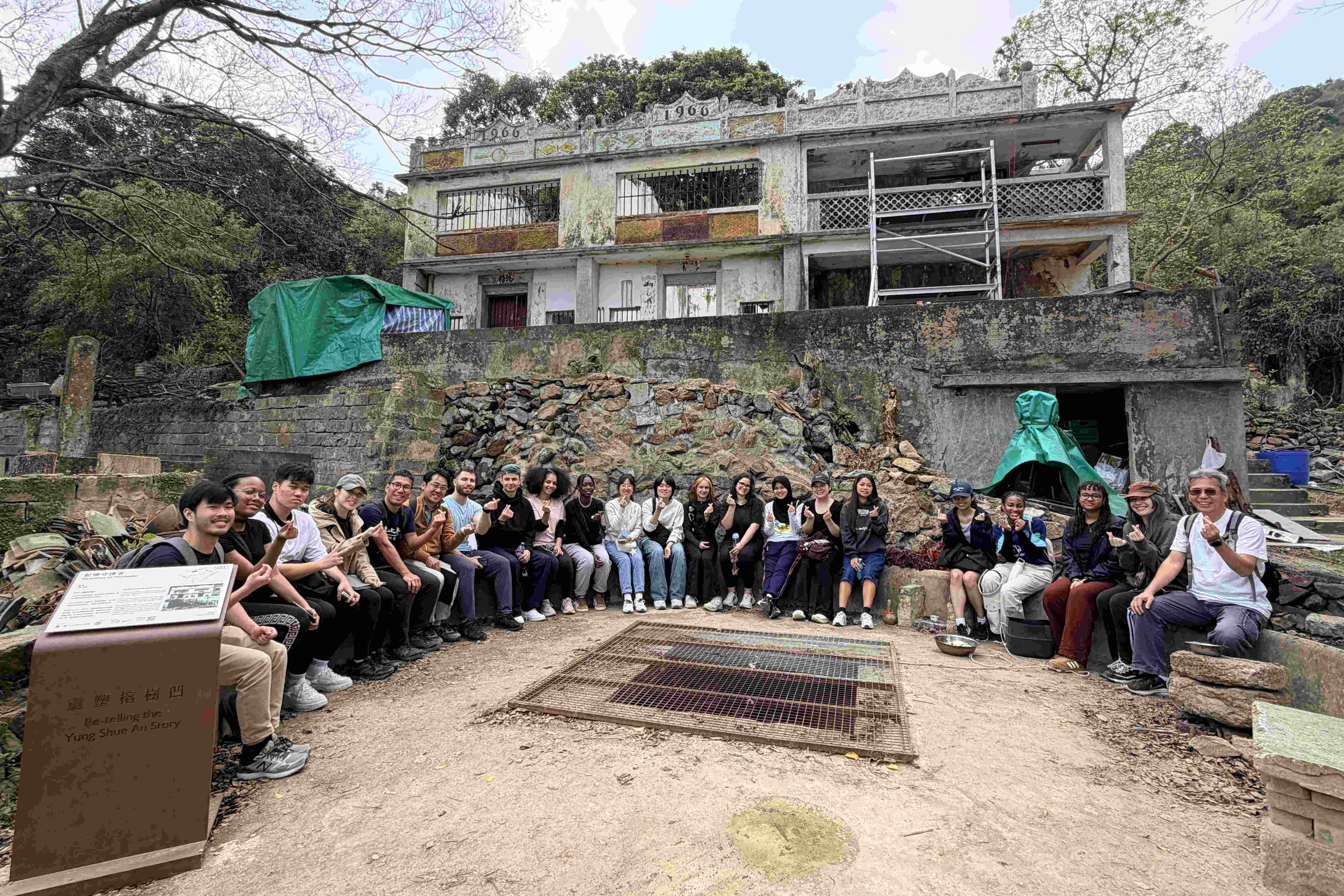
During the three-day trip from 20 to 22 February, these students immersed themselves in the intangible heritage of the Hakka people. By staying at the “Hakka Life Experience Village at Lai Chi Wo”, the students learned about the architectural features of Hakka village houses and the feng shui woodland. They enjoyed the authentic Hakka cuisine and made Hakka tea cakes with the villagers, creatively shaping them into designs such as stars, fish, and Chinese dumplings. These activities allowed the students to bridge the gap between ancestral wisdom and modern sustainability. They also gained a deeper understanding of Hong Kong as an international city where East meets West, with its unique blend of modernity and tradition.
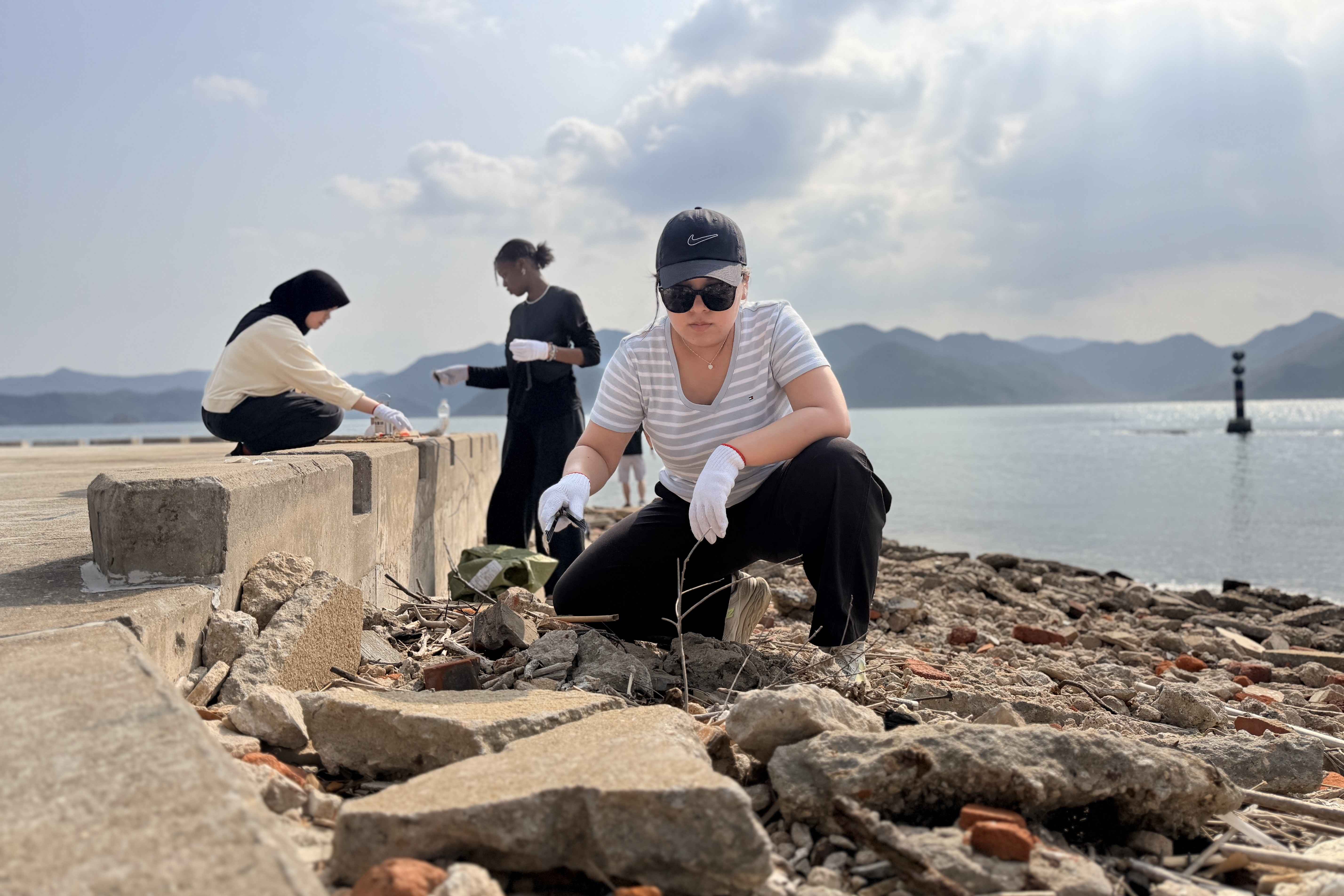
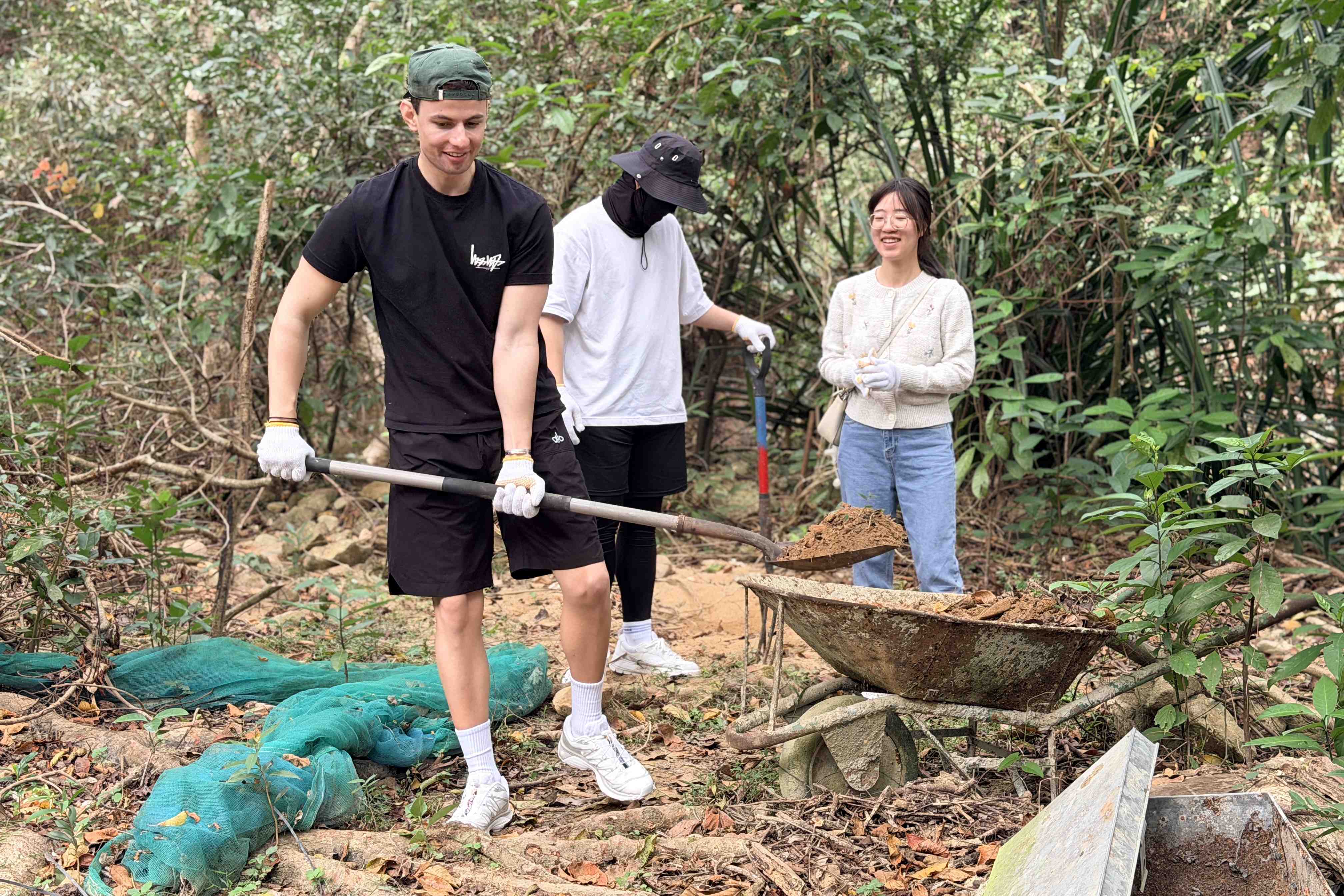
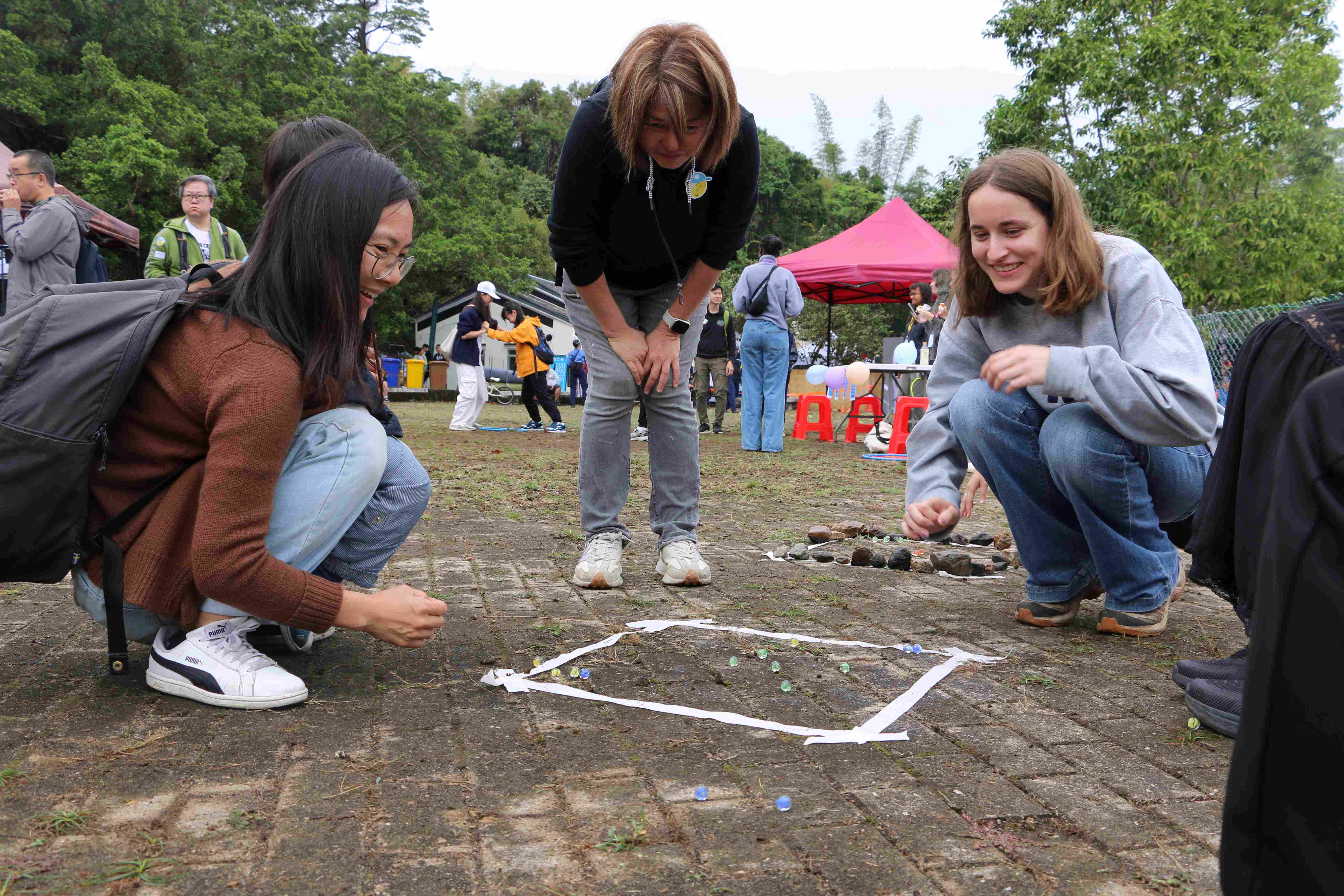
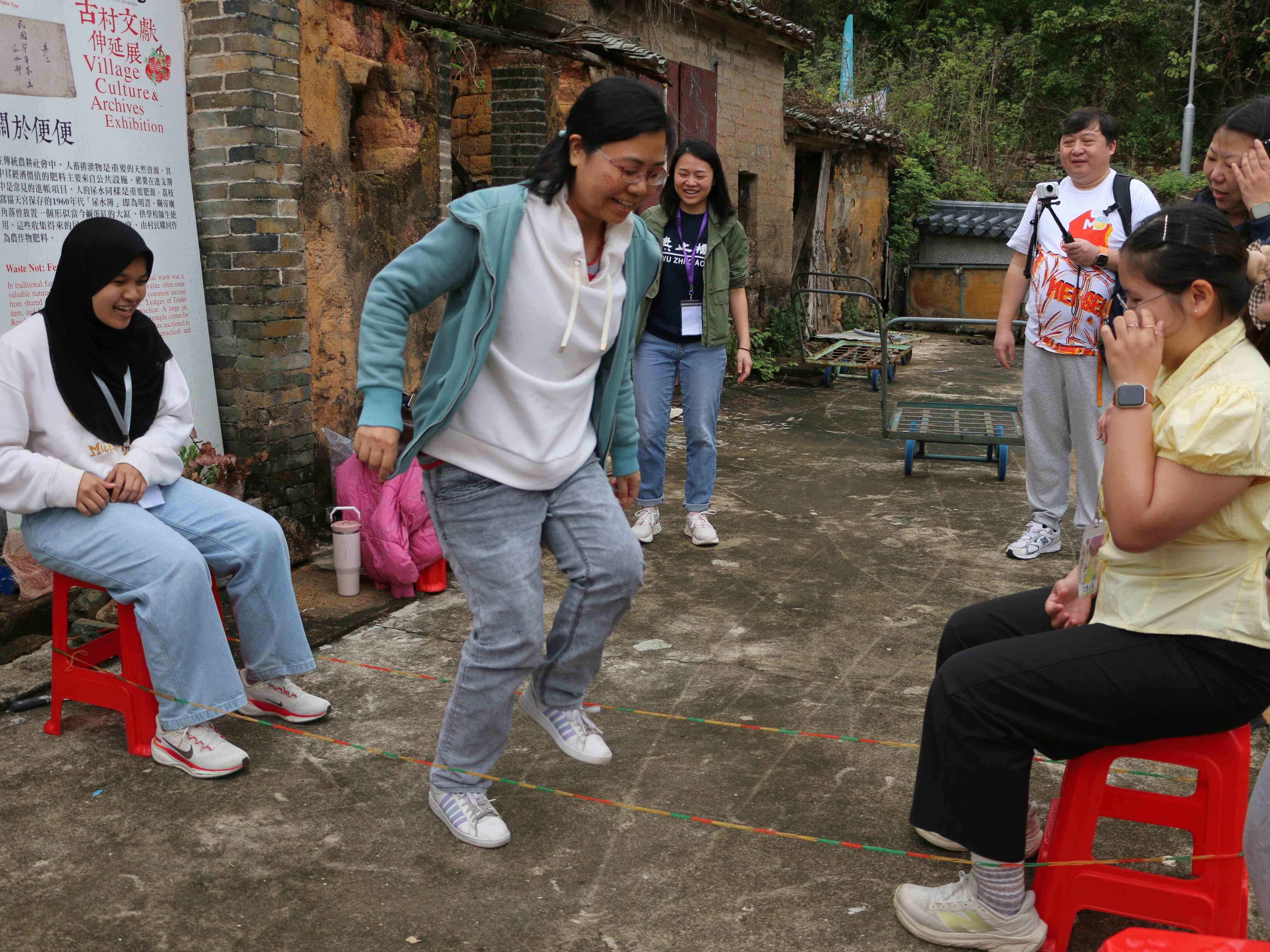
The service-learning journey of the non-local students evolved into a meaningful contribution to rural revitalisation and the empowerment of the local community. They participated in the revitalisation of farmland and the conservation work at Ap Chau, demonstrating a commitment to ecological stewardship and preserving the landscapes of this historic island. On 1 March, the students returned to Lai Chi Wo to design and host authentic Hong Kong-themed games at the “Lai Chi Wo Rural Children’s Play Culture Festival”, where they had a wonderful time with the villagers and other participants.
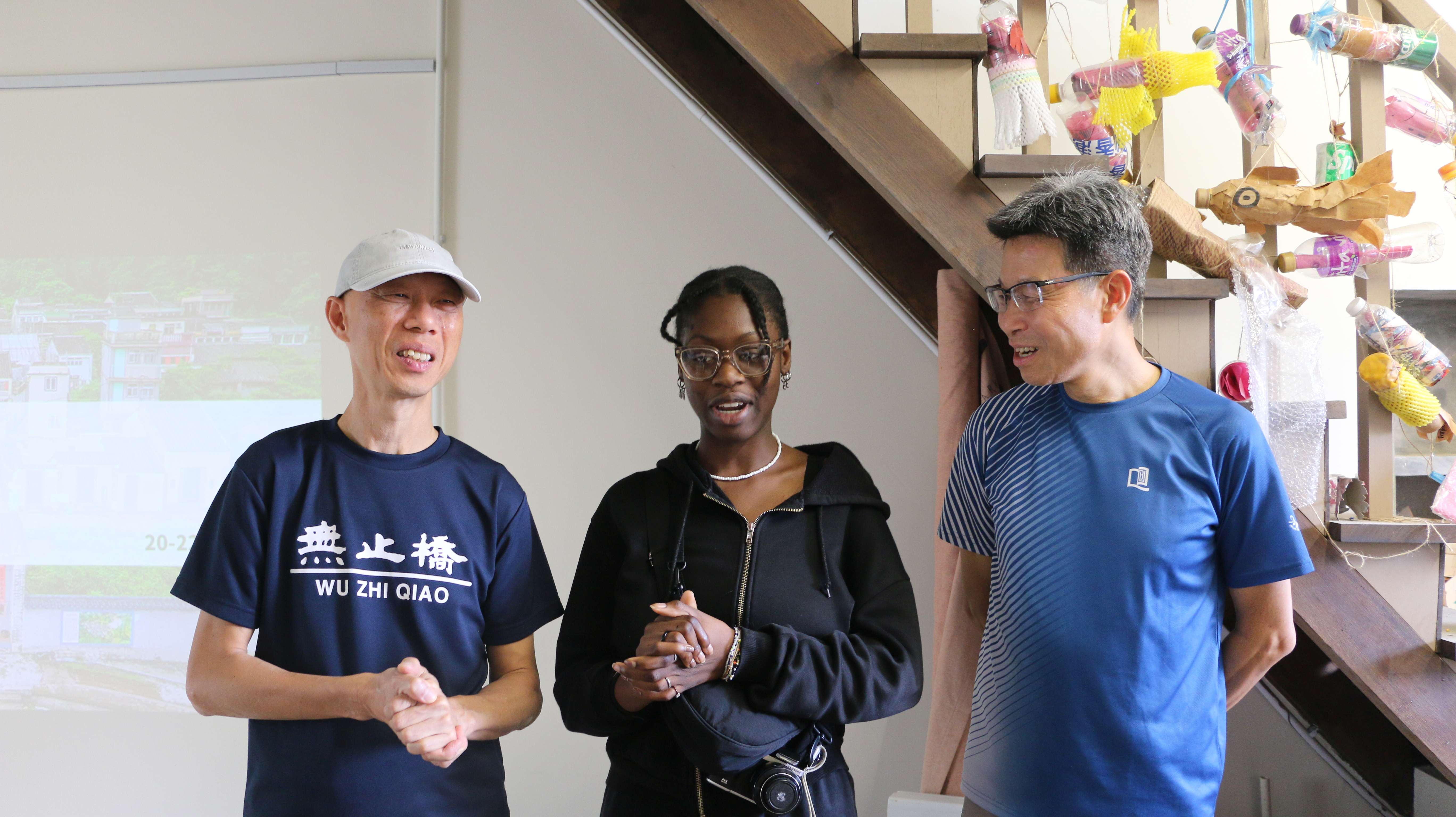
Professor Wong Kam-sing, Chairman of the Wu Zhi Qiao (Bridge to China) Charitable Foundation, and Dr Albert Chau, Vice-President (Teaching and Learning) of HKBU, joined the students in Lai Chi Wo on the first day of the event.
-End-