Press Release
HKBU conducts environmental monitoring at Dakar Youth Olympic Games to advance athlete safety research
Sunday, 1 November 2026
The 2026 Youth Olympic Games (YOG) opened yesterday in Dakar, the capital of Senegal. Hong Kong Baptist University (HKBU) is conducting an environmental monitoring research project named “HKBU–BNBU Dakar 2026 Living Laboratory” at the YOG from 31 October to 13 November, making it the only academic team from Asia conducting research at this international sporting event. Combining environmental science with digital technology, the project aims to understand venue-specific environmental conditions in which athletes train and compete, and to generate evidence to help safeguard athlete health, safety and performance.
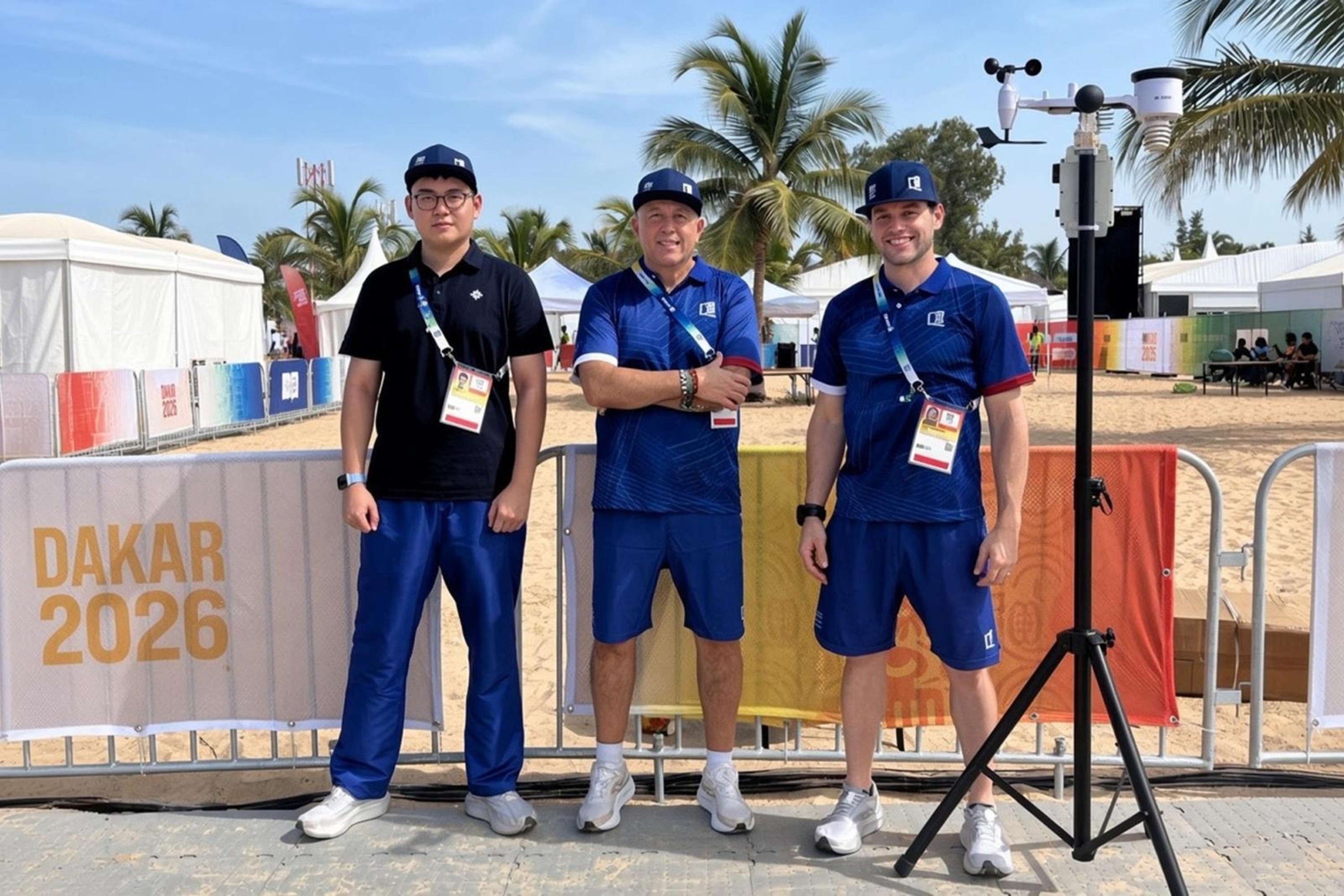
Led by Professor Yannis Pitsiladis, Director of the Centre for Exercise Science and Medicine (CESAME) at HKBU, the project builds on the team’s visit to Senegal in April this year. Other core team members include: Mr Christopher Papamichalopoulos, a PhD student at HKBU; Mr Letian Feng, a research assistant from Beijing Normal-Hong Kong Baptist University (BNBU), and international partners.
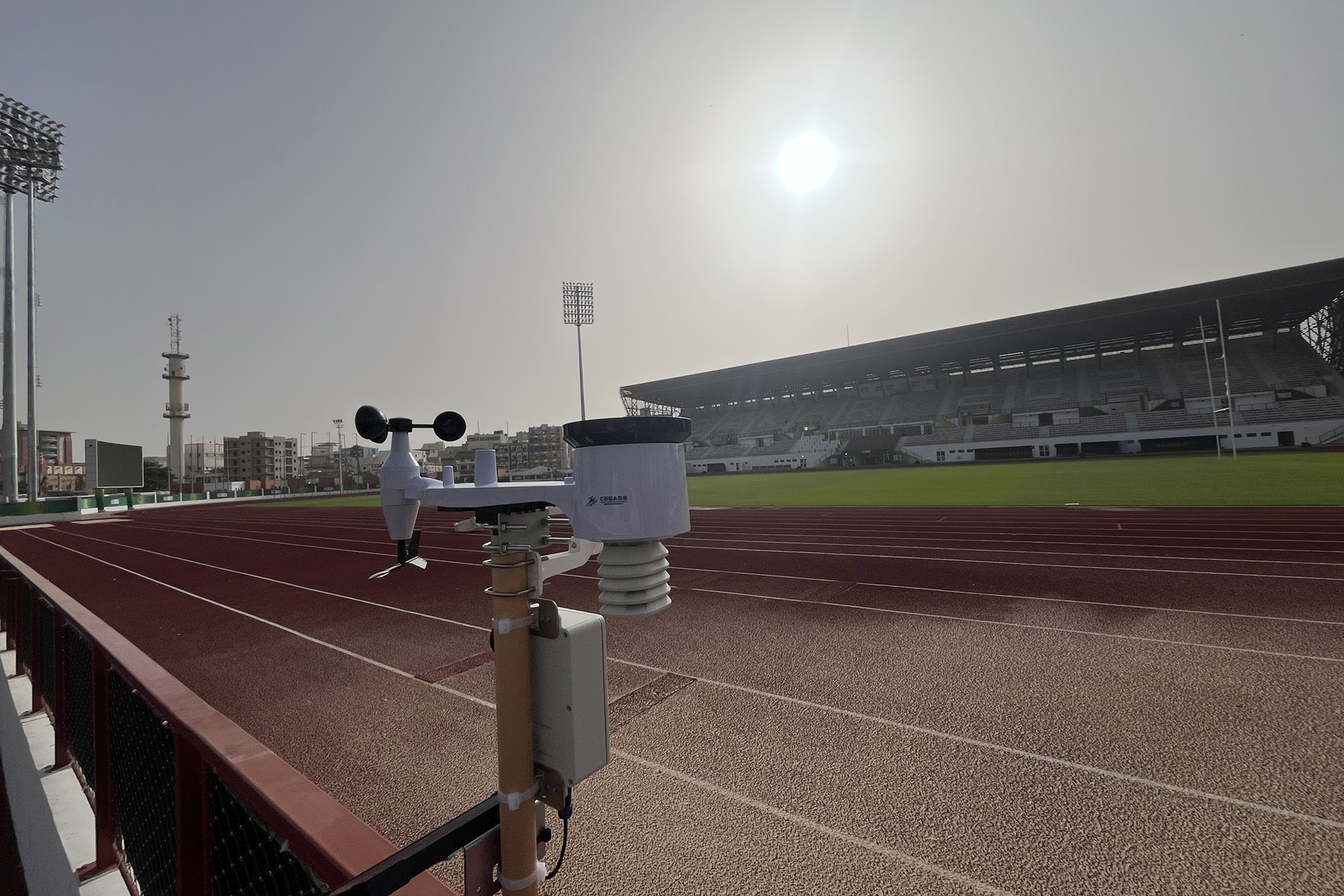
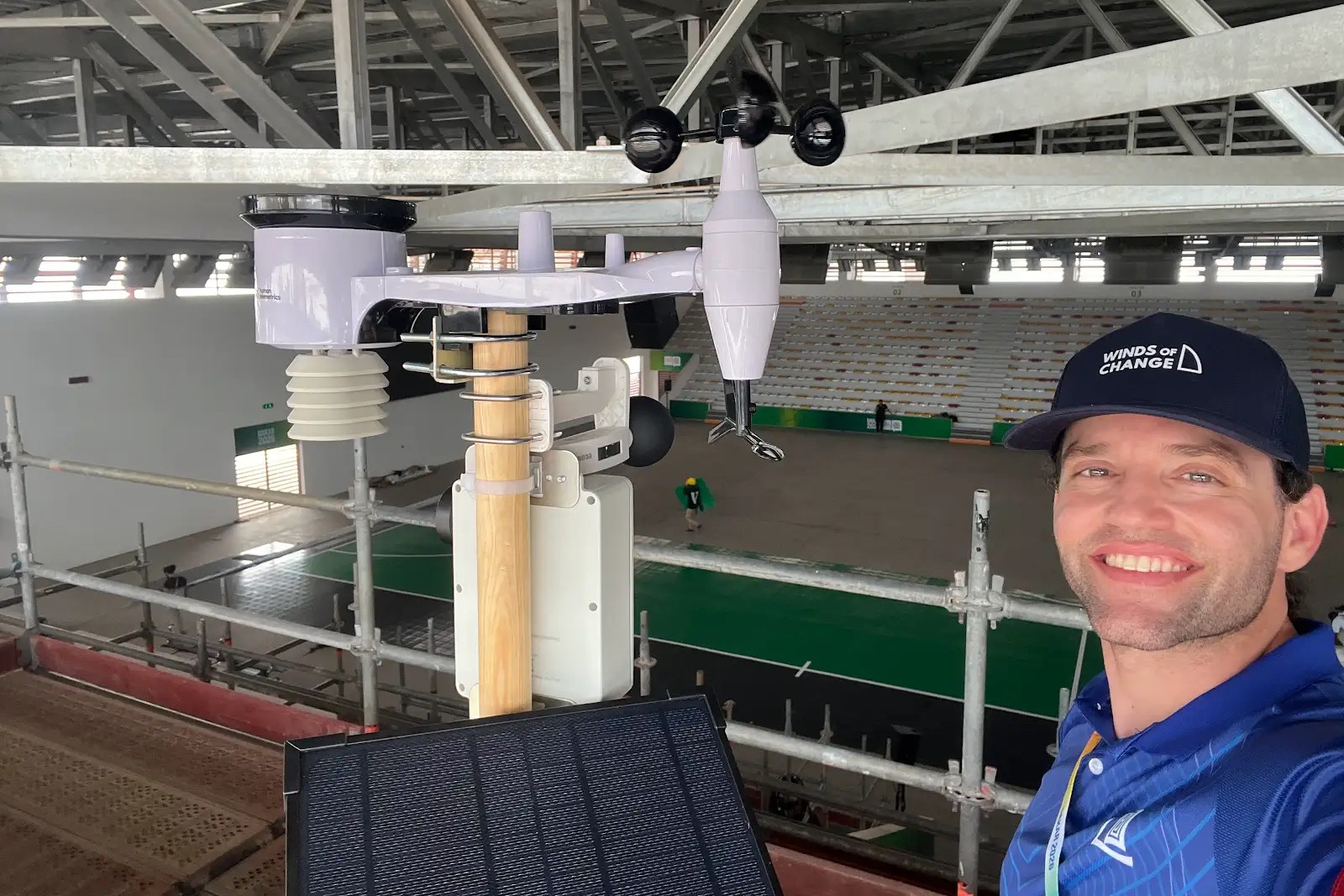
The HKBU’s advance team arrived in Dakar, the capital of Senegal, on 20 October and began preparations to deploy approximately 20 environmental monitoring stations across nine principal competition venue clusters. The planned monitoring is intended to support research covering all 25 sports at the Dakar 2026 Youth Olympic Games, including Baseball5, Wushu Taolu and skateboarding. Environmental monitoring will continue throughout the Games, followed by detailed data analysis and scientific validation of the technologies.
The monitoring stations measure local environmental conditions, transmitting readings to a digital research platform. By comparing data across venues and at different locations within individual sites, the team aims to better understand variations in the environmental conditions athletes encounter during training and competition.
At Complexe Tour de l’Œuf, for example, three monitoring stations have been installed in locations exposed to direct sunlight, in shaded areas and within the swimming pool environment. These installations will allow the team to investigate potential differences in local microclimates, helping establish the scientific foundations for more precise, venue-specific environmental assessments.
The HKBU team has conducted environmental monitoring research at the Paris 2024 Olympic Games (Paris 2024) and the Milano Cortina 2026 Winter Olympic Games (Milano 2026), building experience in supporting major sporting events. Professor Pitsiladis said: “HKBU is privileged to contribute to Dakar 2026, which marks the first Olympic sporting event to be held on African soil. Our work goes beyond installing weather stations. It is about taking research out of the laboratory and into the real world, bringing together environmental science, exercise physiology, digital technology and international collaboration.”
Mr Papamichalopoulos, a PhD student at HKBU and an Olympian who competed for Cyprus in alpine skiing, also took part in the research at the Paris 2024 and Milano 2026. He emphasised the importance of connecting environmental research with the wider scientific understanding of athlete health and safety.
“As an Olympian and former athlete, I learned the value of precision in performance. My research brings that same focus to athlete protection. By understanding how the body responds to heat and extreme conditions in which athletes compete, as well as the environmental stressors which athletes face, we aim to inform safety protocols that extend beyond any single athlete, venue or event. Our work in Dakar is about turning local measurements into broader lessons, helping sport anticipate risk rather than simply react to it,” said Mr Papamichalopoulos.
For Mr Letian Feng, a research assistant from BNBU, the project also provides an exceptional opportunity for scientific development and international collaboration.
“It is a privilege to contribute to an event that so many people watch on television and dream of being a part of. Working alongside such a team, I have the opportunity to learn while contributing to research that could help shape the future of sport and make the Games safer. My role may seem small, yet its purpose transcends the event itself,” said Mr Feng.
Apart from the immediate monitoring activities, the project seeks to establish a lasting research platform, integrating environmental science, digital innovation, postgraduate training and international collaboration.
“We are developing scientific capabilities, training young researchers and establishing a research platform with potential applications at future major sporting events, including Los Angeles 2028. After the Games, we will analyse the data and evaluate the monitoring technologies to advance research into athletes’ health and safety,” said Professor Pitsiladis.
The project is supported by funding through the Guangdong–Hong Kong Universities “1+1+1” Joint Research Collaboration Scheme. It aims to generate research findings, validate monitoring technologies and train young scientists.