Discover HKBU
Quest for truth: Combatting fake news with fact-checking
27 Feb 2026
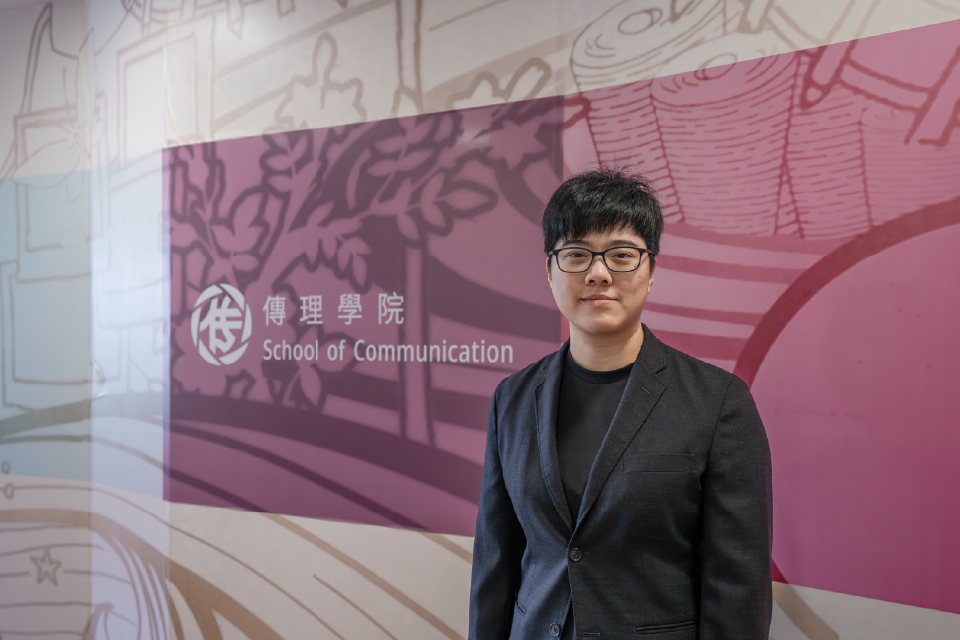
In a world inundated with misinformation, Professor Stephanie Jean Tsang, Associate Professor from the Department of Communication Studies, School of Communication at HKBU, stands at the forefront of an important mission: safeguarding the truth. Through her research project “Misinformation, Disinformation, and Fake News? Proposing a Typology Framework of False Information”, Professor Tsang has been named one of the recipients of this year’s Outstanding Research Output Awards.
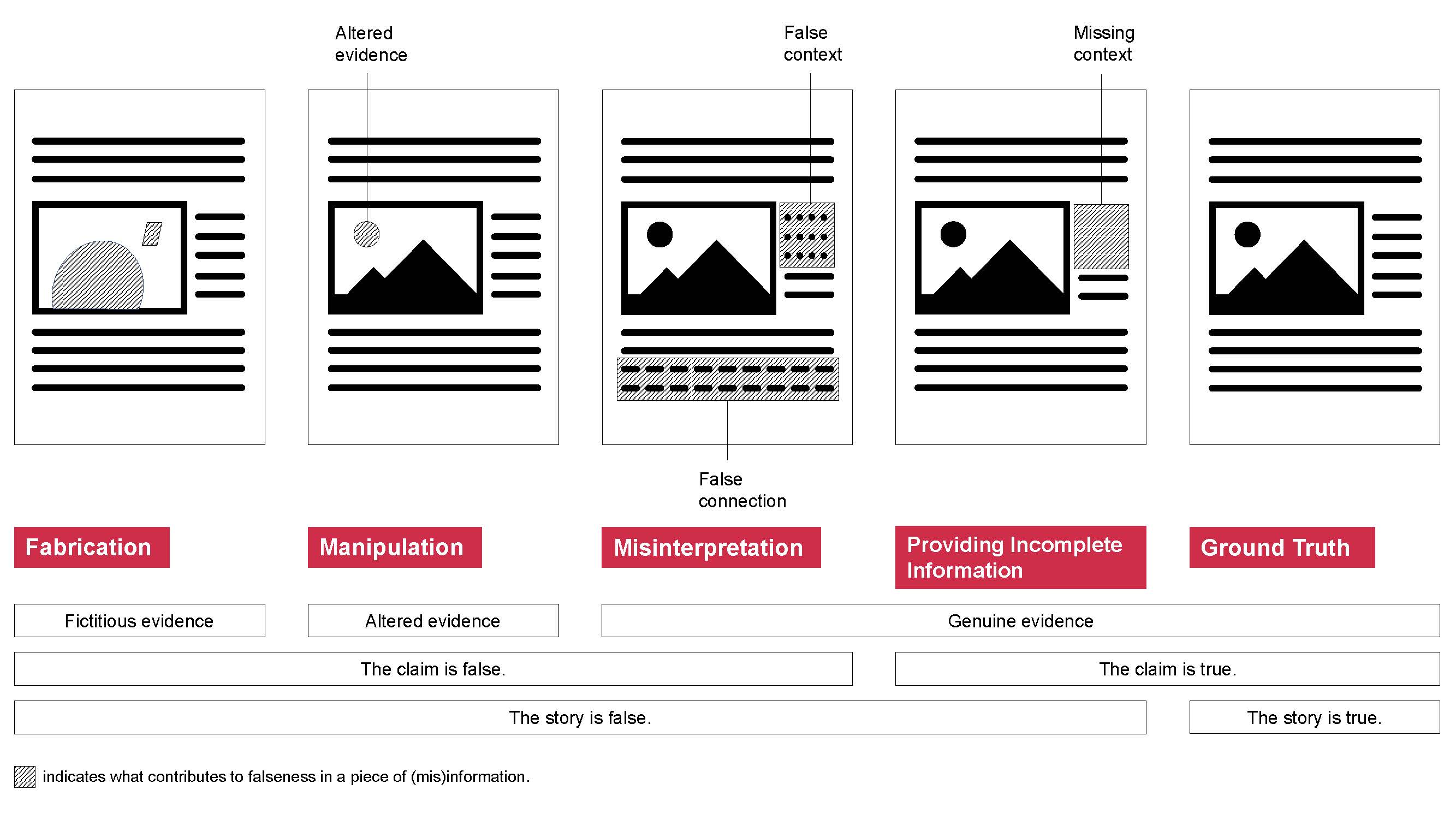
“Truth is hard to define as it is not something black and white, but rather a spectrum filled with grey areas,” Professor Tsang highlights. “The key to combatting misinformation and fake news is the ability to think critically, and equipping the younger generation with the skills to navigate in an increasingly digital world is central to our work as educators.” By categorising different forms of false information and offering a set of common terminology, the “Typology Framework of False Information” makes the process of discerning news fabrication from ground truth more systematic.
Gatekeeping what is true
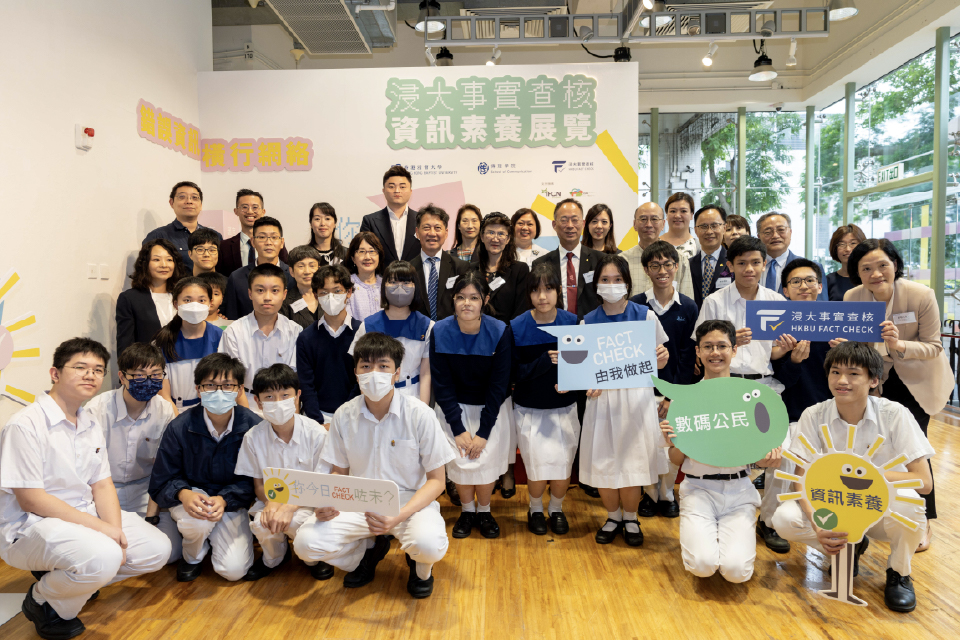
Apart from her teaching role, Professor Tsang is also the Director of HKBU Fact Check. Established in 2020, HKBU Fact Check is committed to providing fact-checking service in an independent and transparent manner, raising awareness about the risks of misinformation. As one of the three fact-checking bodies focused on Chinese content in Hong Kong, HKBU Fact Check has shed light on what constitutes truth, what does not, and everything in between.
Through partnerships with organisations such as The Hong Kong Federation of Youth Groups and the Hong Kong Press Council, and collaborations with the HKBU Library, Professor Tsang has extended the reach of HKBU Fact Check into diverse communities, ensuring everyone has the tools and expertise to combat misinformation. Every month, she engages with different stakeholders, ranging from parents, teachers, secondary students and NGOs, to spark discussions about the importance of fact-checking.
Fostering AI literacy
There is no denying AI has made it more challenging to tell what is real or not in text and visuals. AI literacy is key and in her fact-checking work, Professor Tsang leverages AI to flag suspicious content, streamlining the detection process. Having said that, she remains realistic about the technology’s limitations. “AI can raise red flags about false information, but it cannot replace human discernment,” she asserts, emphasising the essential role of trained educators as gatekeepers against false narratives.
Striving for impact
Having secured an Initiation Grant for Faculty Niche Research Areas, Professor Tsang has just finished the completion report for a linguistics study investigating how cross-lingual misinformation loses meaning or becomes contextually distorted.
With the disposition of an “INTJ” character, Professor Tsang’s outlook is rooted in pragmatism, a mindset that has come to shape her work and personal philosophy. “I believe in staying proactive and doing what I can to the best of my ability. Engaging in work that has impact and is grounded in what’s happening in the world is what keeps me going!”