Press Release
HKBU School of Communication hosts inaugural “AI-TEM 2026: AI, Technology & Emerging Media” international conference to bring together four universities across Europe, North America and Asia together to advance responsible AI communication
Monday, 19 October 2026
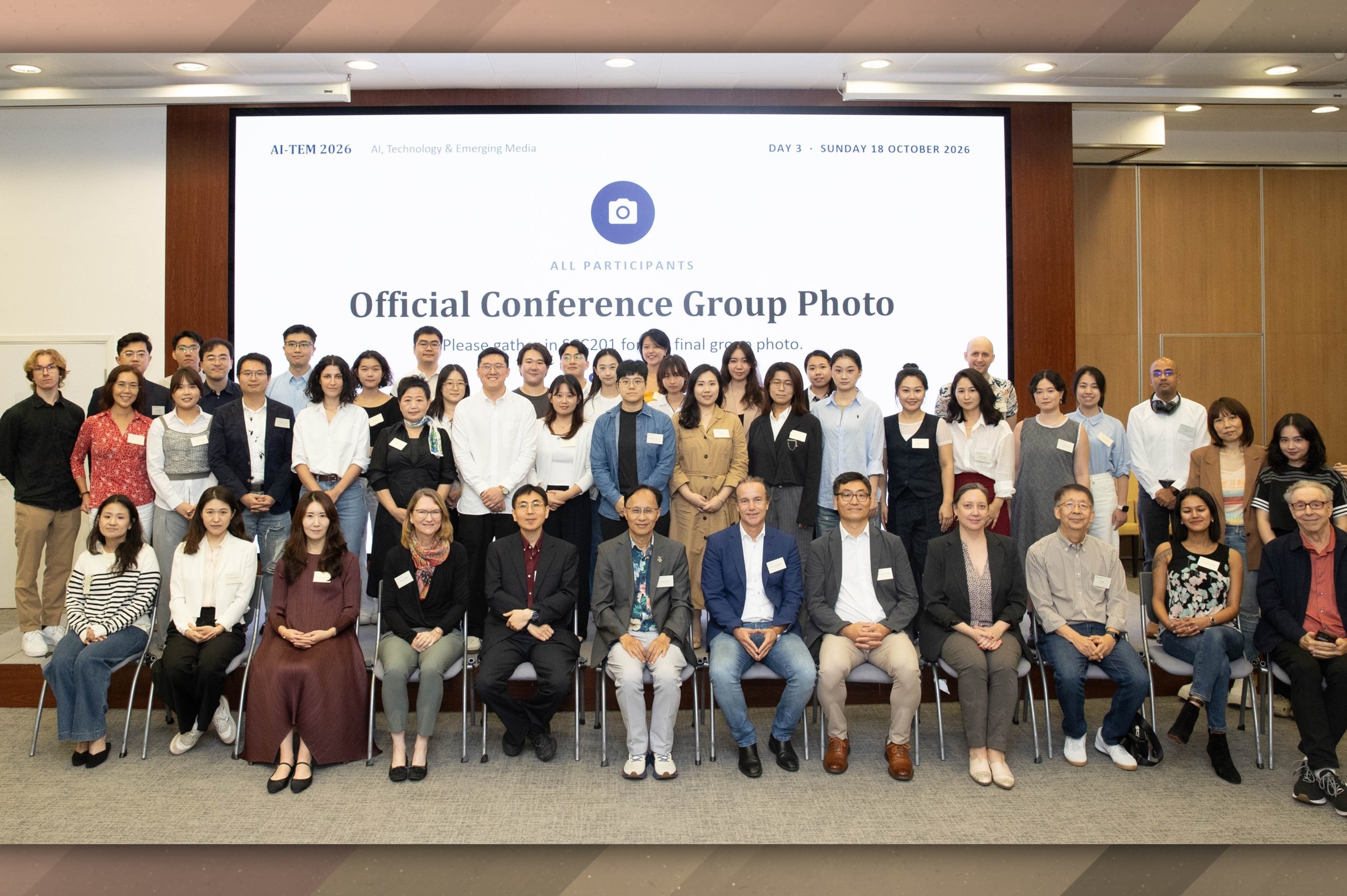
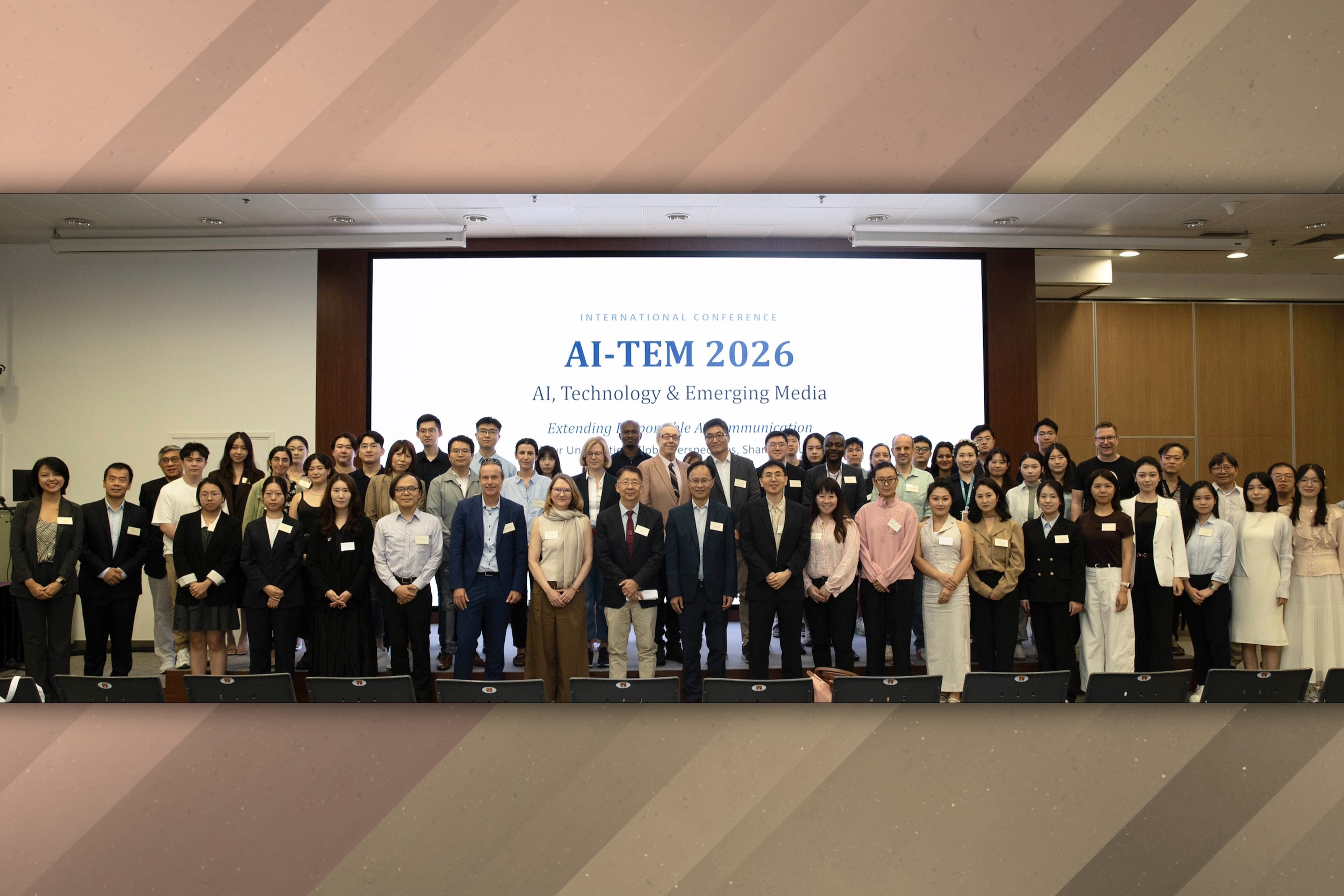
The School of Communication at Hong Kong Baptist University (HKBU), in collaboration with Boston University, Korea University and the University of Vienna, hosted the inaugural “AI-TEM 2026: AI, Technology & Emerging Media” international conference at HKBU from 16 to 18 October. Anchored by the central theme “Extending Responsible AI Communication,” the conference brought together international scholars, faculty members, and graduate students to exchange cutting-edge insights, while offering secondary school students a unique platform to engage with experts and deepen their understanding of AI ethics and technology. The three-day conference attracted over 200 participants from around the world.
The conference spotlighted the ethical challenges of AI, and explored how communication scholarship can better address hidden inequalities, uneven adoption, and emerging forms of exclusion, while also helping to advance a more socially beneficial and inclusive future.
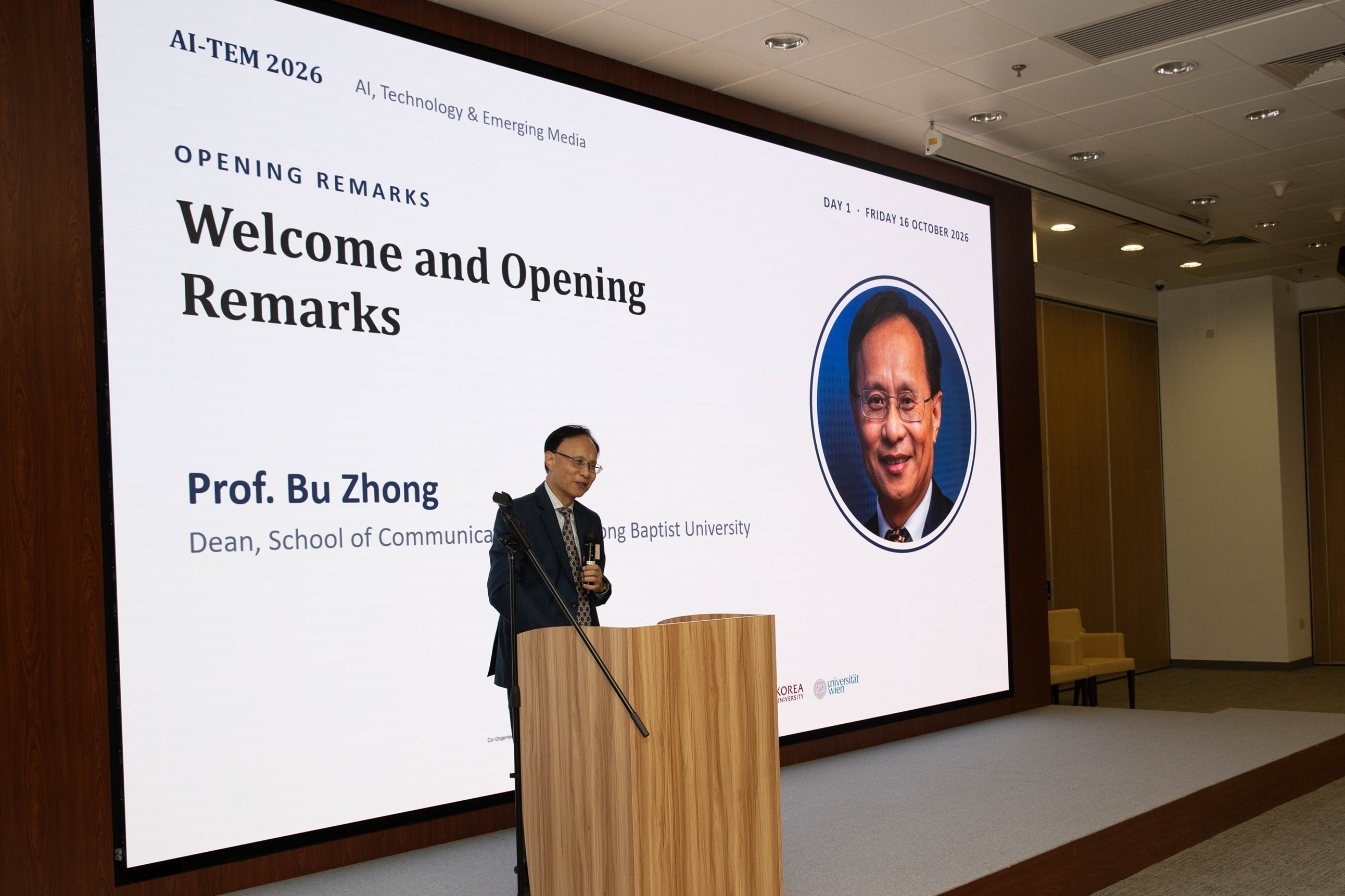
In his opening remarks, Professor Zhong Bu, Dean of the HKBU School of Communication welcomed representatives from the three universities, remarking: “Humanities and social science became indispensable. The future of AI isn’t just about technology, it is a human question. Engineers can tell us how efficient an algorithm can be, but only communication scholars can explain why society exists as it does.”
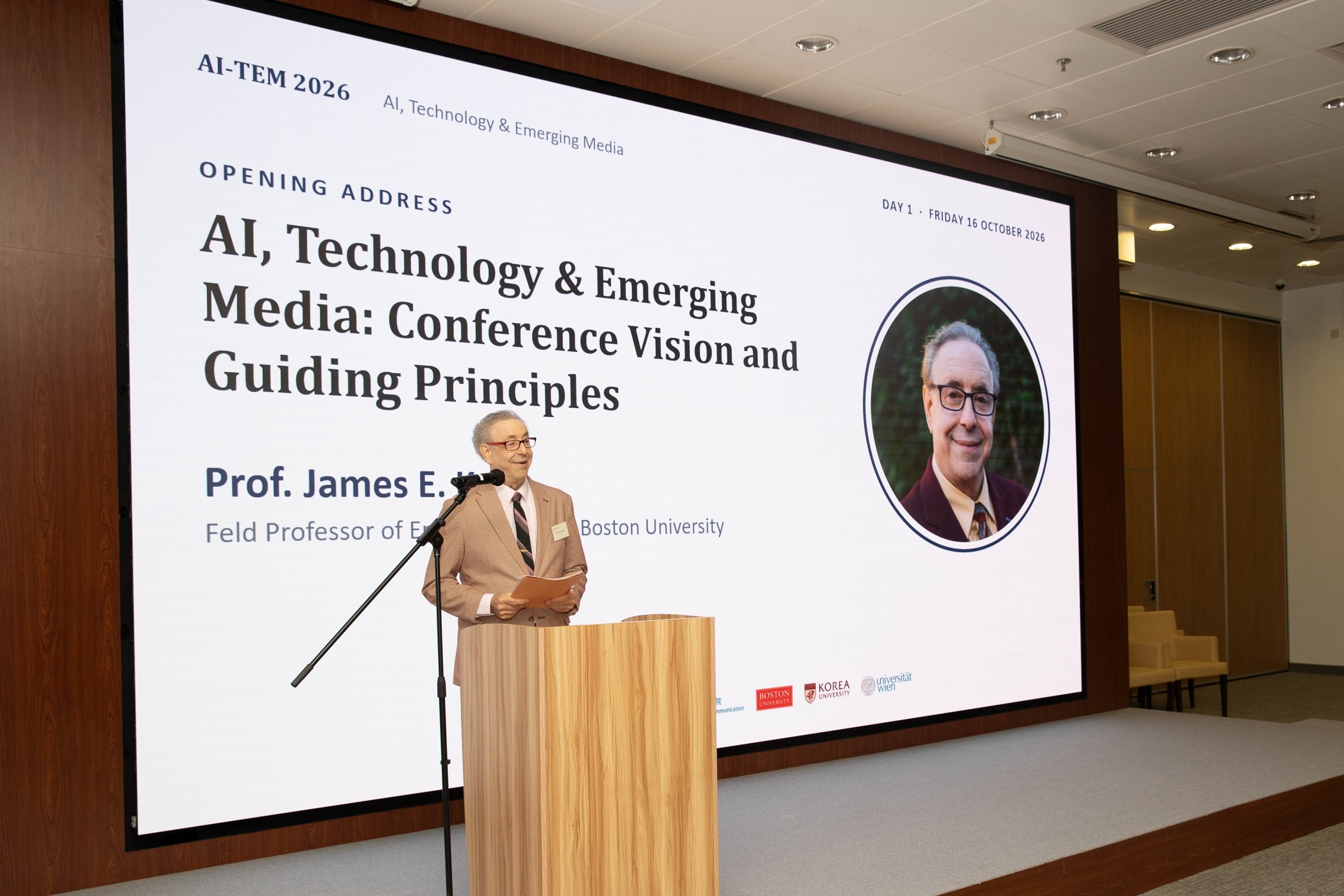
Professor James E. Katz, Feld Professor of Emerging Media at Boston University, highlighted the consortium’s collaborative vision. “Today we’re talking about big ideas. Most importantly, these four universities have come together to see what kind of quantum excitement we can generate around the principles we stand behind for the freedom of inquiry and the independence of thought.”
Over three days, the conference featured four keynote presentations by Professor Michael C. L. Chau of The University of Hong Kong; Professor Jörg Matthes of the University of Vienna and Editor-in-Chief of Communication Theory; Professor Ingrid Bachmann of the Pontifical Catholic University of Chile and President of the International Communication Association (ICA); and Professor Jennifer Ihm of Korea University, and joined by Professor Sung-Un Yang of Boston University and the coeditor of Journal of Communication. Their contributions brought a range of international perspectives to the conference’s discussions of AI, communication, and emerging media.
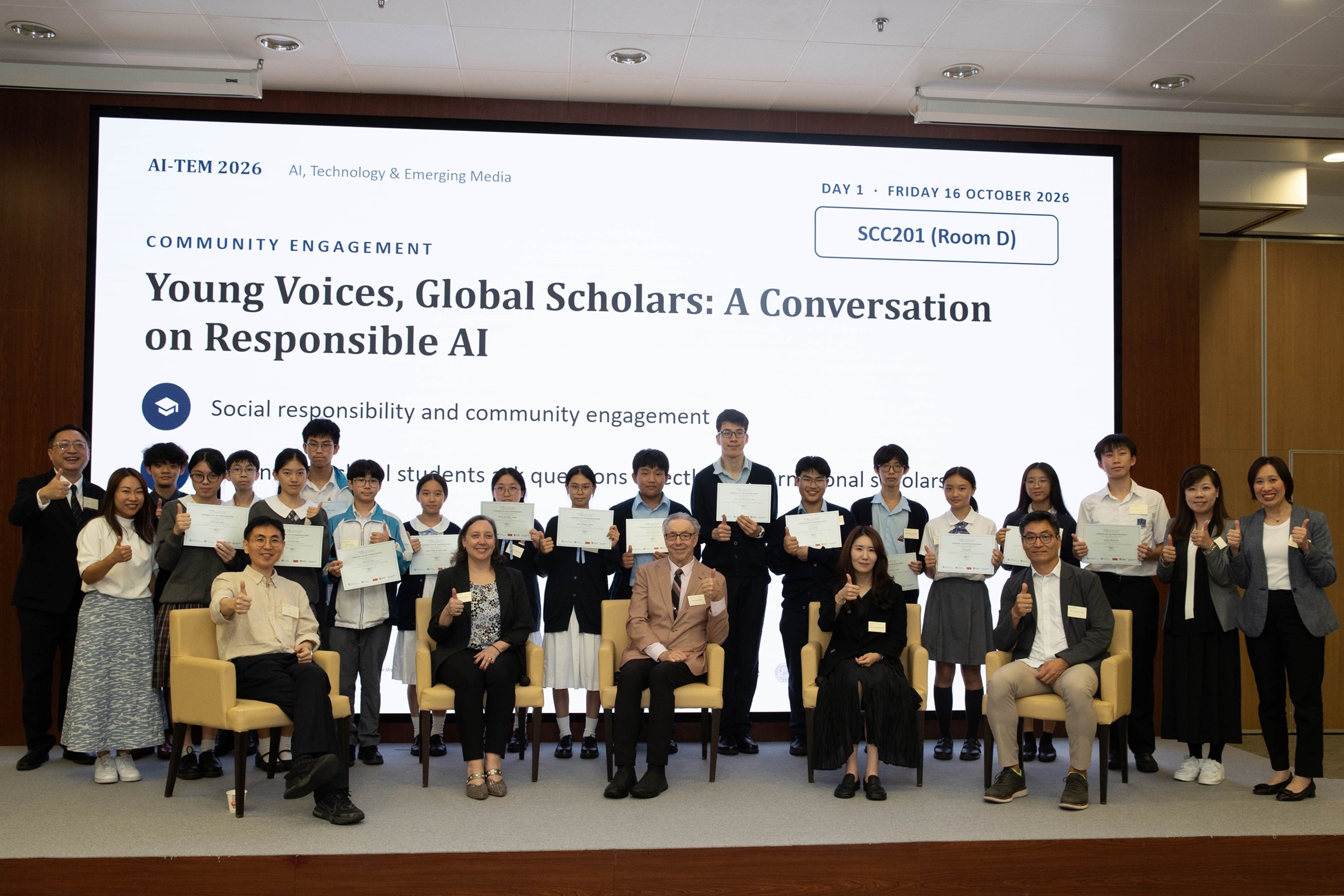
Demonstrating a strong commitment to youth empowerment and community engagement, the conference also featured an interactive dialogue connecting secondary school students from CCC Rotary Secondary School, Tai Kwong Hilary College and Tseung Kwan O Government Secondary School with the international scholars. The young delegates posed incisive questions about AI’s ethical implications and its impact on daily life and the future job market. By integrating the voices and curiosity of the next generation into high-level scholarly exchanges, the conference not only enriched global debates on responsible AI, but also inspired young minds to critically navigate and shape the digital future.
In addition to research paper presentations spanning diverse disciplines and global perspectives, the conference included three specialised panel sessions.
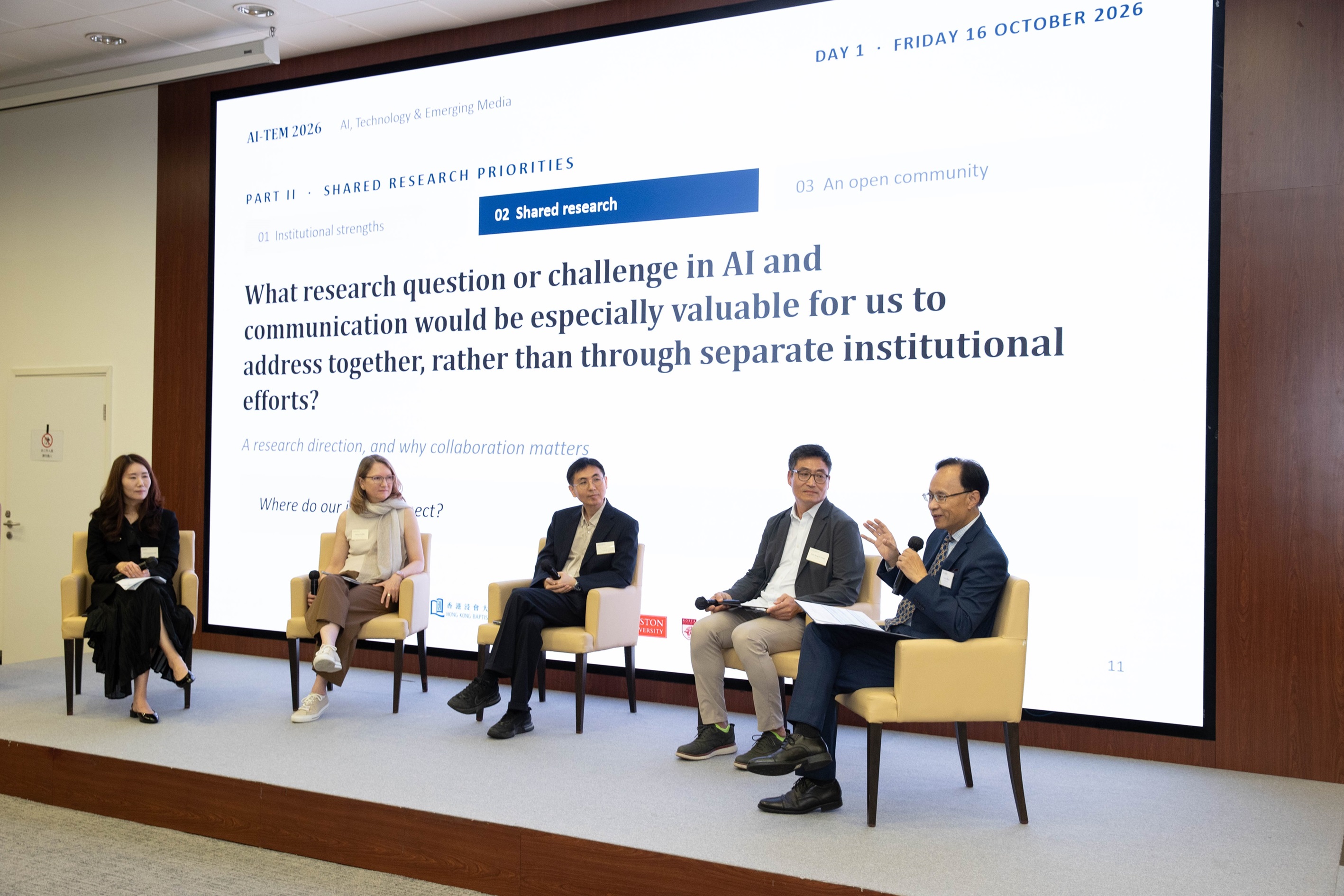
A key session “Introducing the Four-University Consortium” showcased the partnership among HKBU, Boston University, Korea University and the University of Vienna, highlighting their shared ambition to foster sustained international exchange and create opportunities for future research collaboration, publications and academic engagement. To drive future research and international exchanges, the consortium unites around five key commitments: safeguarding the freedom of expression, keeping public debate open, scrutinising communication power structures, comparing definitions of AI harm, and defending independent academic inquiry.
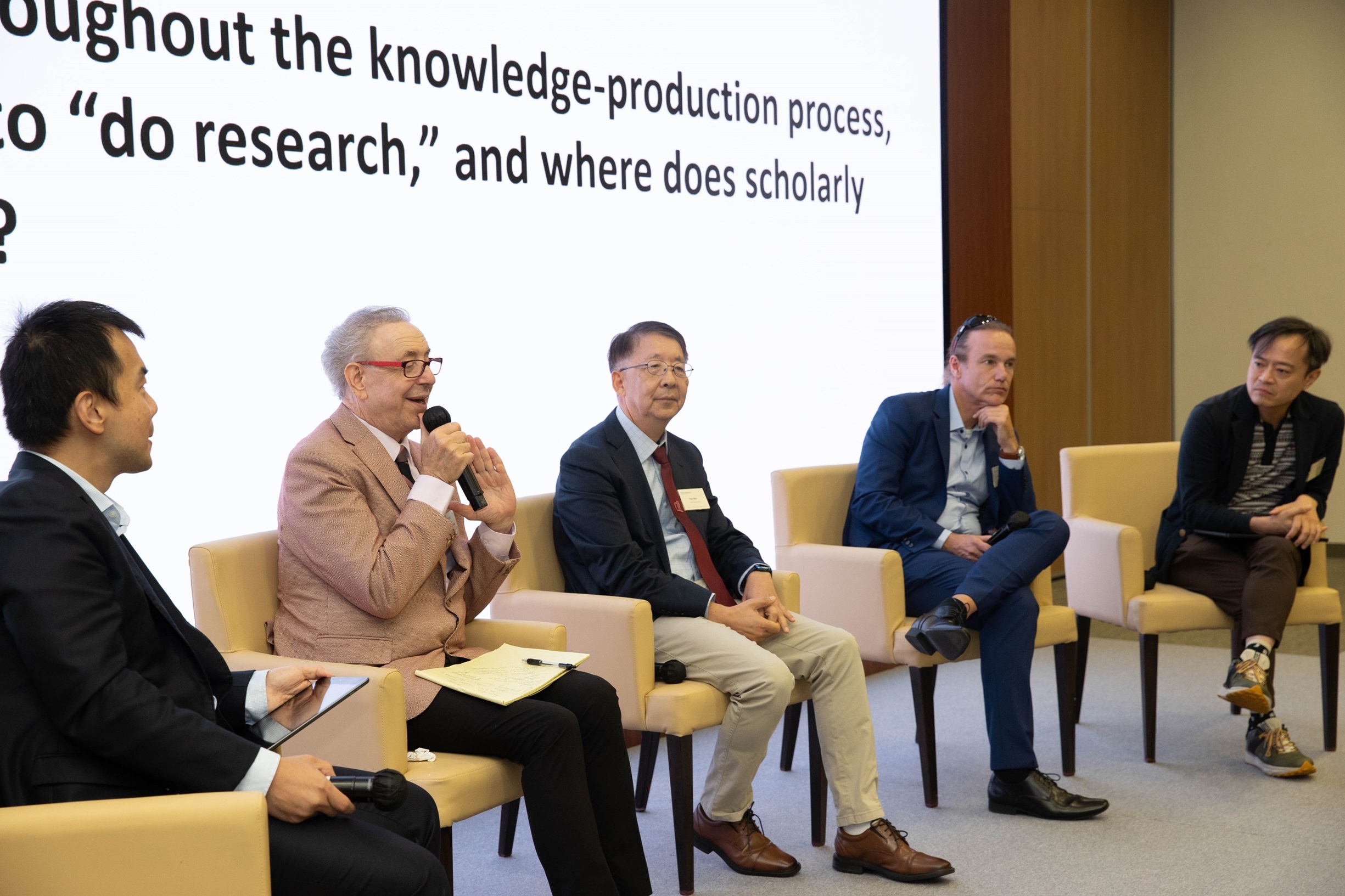
The “Horizon Issues in Human–AI Symbiosis” session examined how AI-mediated communication may shape human interaction and social life.
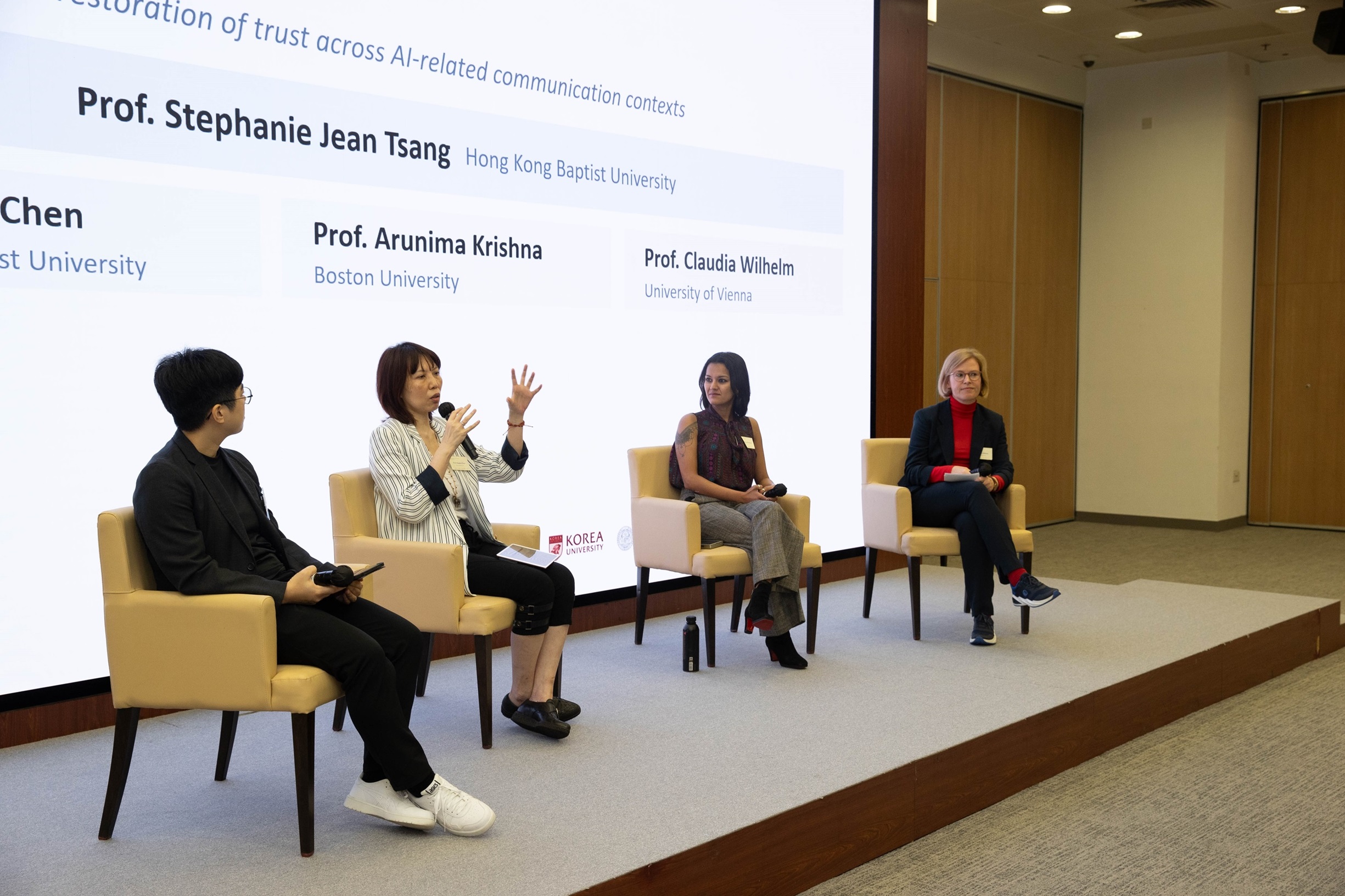
The “Trust Crisis in the AI Age” session considered challenges to trust and credibility in an increasingly AI-shaped communication environment.
By uniting global academic institutions and diverse communities, AI-TEM 2026 concluded with a shared pledge among the four partner universities to maintain momentum, championing human-centred, inclusive, and socially responsible AI communication research for years to come.