Discover HKBU
Harnessing AI and human insight: A new era in Narrative Therapy training
30 Dec 2025
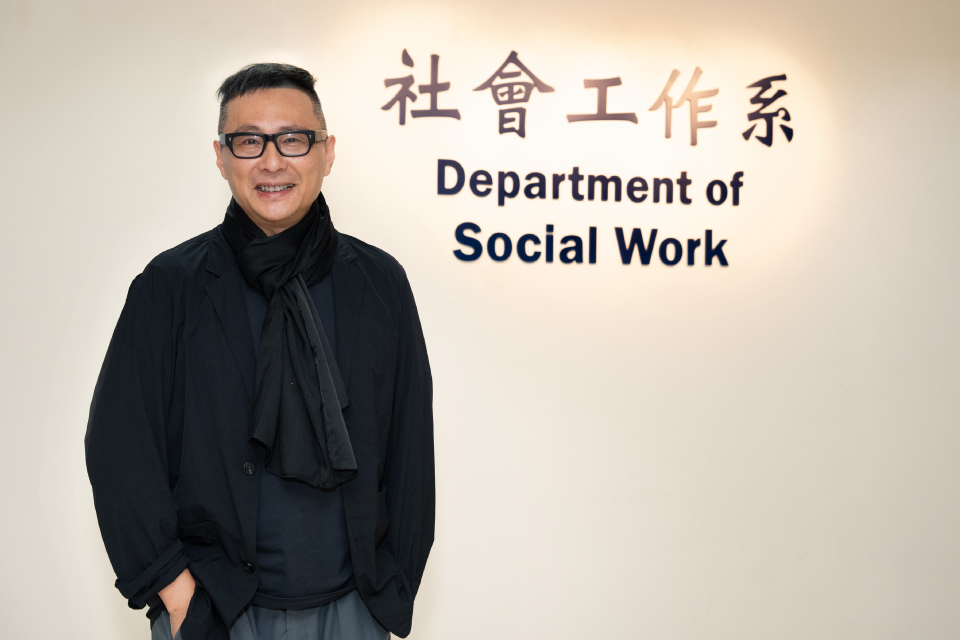
In an age where technology and humanities intertwine, Professor Chitat Chan, Associate Professor of the Academy of Wellness and Human Development under the Faculty of Arts and Social Sciences, is pioneering an innovative approach to training beginners in Narrative Therapy (NT). With a deep-rooted belief in the power of storytelling - a timeless tradition where communities gather to share experiences around a bonfire – Professor Chan is reimagining the narrative landscape of therapy and education.
The transformative power of Narrative Therapy
At its core, NT emphasises the importance of storytelling to foster self-discovery, healing, and resilience within individuals. This structured framework allows clients to reshape their experiences through the power of narrative, leading to profound transformations. As Professor Chan highlights, this is not just about telling stories; it is about "unearthing" forgotten strengths and building new possibilities for the future—a process he describes as the "Archaeology of Hope."
AI-enhanced learning anytime, anywhere
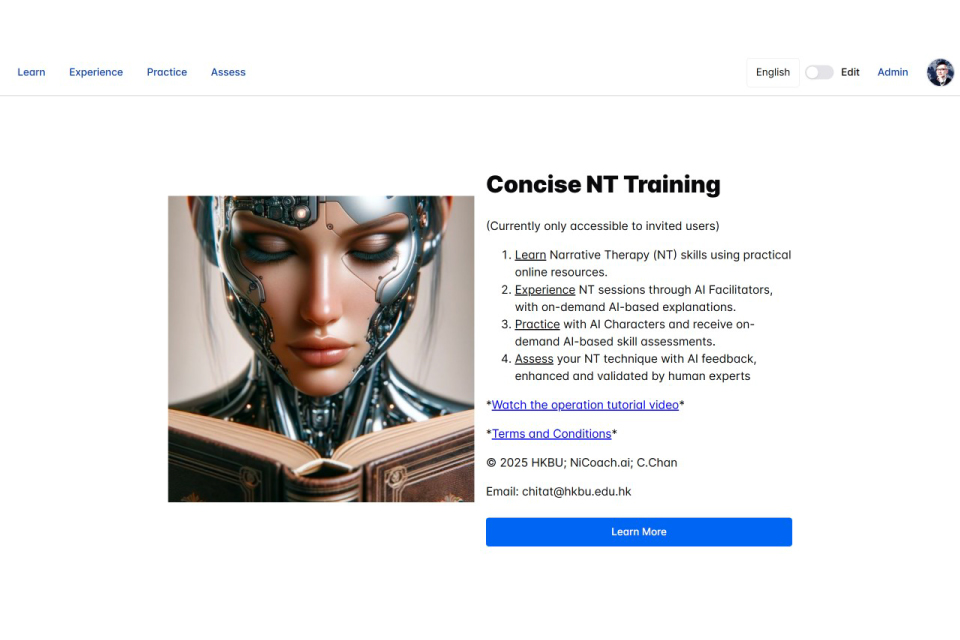
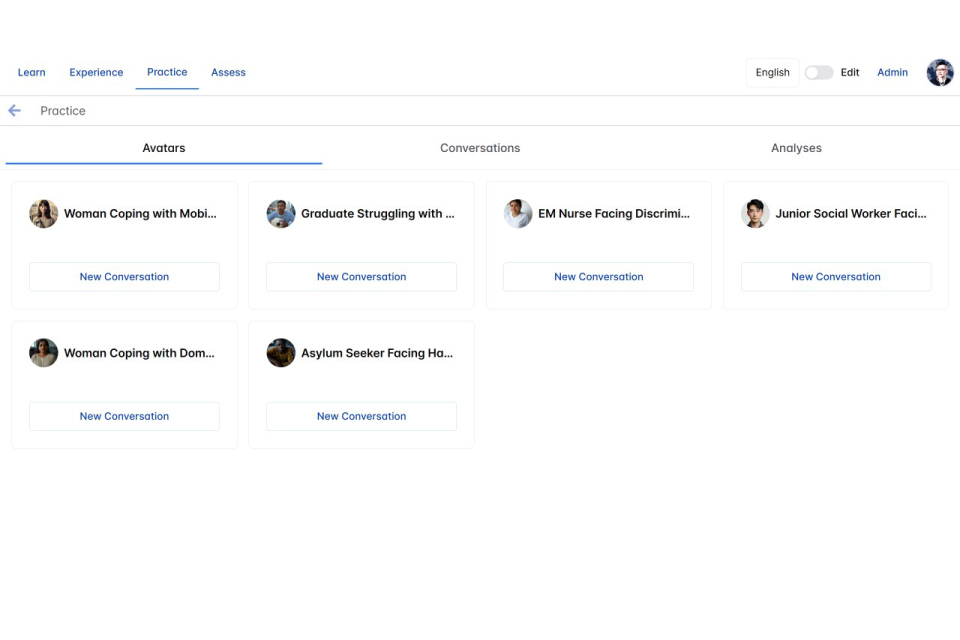
Harnessing the rise of Artificial Intelligence (AI), Professor Chan has pioneered an AI-enhanced, self-paced training platform NiCoach that transforms the way beginners learn and practise NT. This innovative platform offers simulated therapeutic conversations, instant automated feedback, and rubric-based assessments - providing students with the flexibility to hone their skills in a safe and engaging environment. The initial results of this approach have been overwhelmingly positive, suggesting promising real-life applications in different therapeutic models in the near future.
"The AI platform does more than assess the quality of the work submitted," Professor Chan explains. "By quantifying the number of chats students conduct with AI avatars, we gain insight into not just their academic performance, but also their sense of agency and engagement." This dual assessment—AI for the initial evaluation and the professor for the final approval—creates a comprehensive learning experience that is both efficient and engaging, without losing the human touch.
The perks of a blended learning approach
NT by nature is a lengthy process, as individuals are encouraged to take time sharing their stories and reflections. By introducing AI to the process, it streamlines the assessment process and enhances the educational experience. "AI conducts preliminary screenings of the dialogue transcriptions between the students and the AI avatars, providing real-time feedback. The final marking is still given by the professor,” assures Professor Chan.
Students have responded positively to this integrated approach, relishing the opportunity to role-play with AI personas and receive instant feedback. For their final examination, students have the flexibility to choose either the AI platform or real-life partners. Professor Chan notes that about 20% of the students from the Masters programme opt for human partners, while half of the undergraduate students prefer the AI option.
The synergy of technology and human connection
Professor Chan is quick to emphasise that AI is no substitute for the human touch. Far from being a competitor, AI is a collaborator that enriches the teaching and learning process, except for one slight shortfall.
“During the training on this AI-enhanced platform, I note that AI may lack the empathetic nuances that are crucial in counselling. In-person demonstrations in class will always be irreplaceable for cultivating genuine empathetic skills among students, alongside their technical abilities,” Professor Chan concludes, underscoring the collaboration between technology and human insight.