Discover HKBU
Innovate for a better world
27 Feb 2026
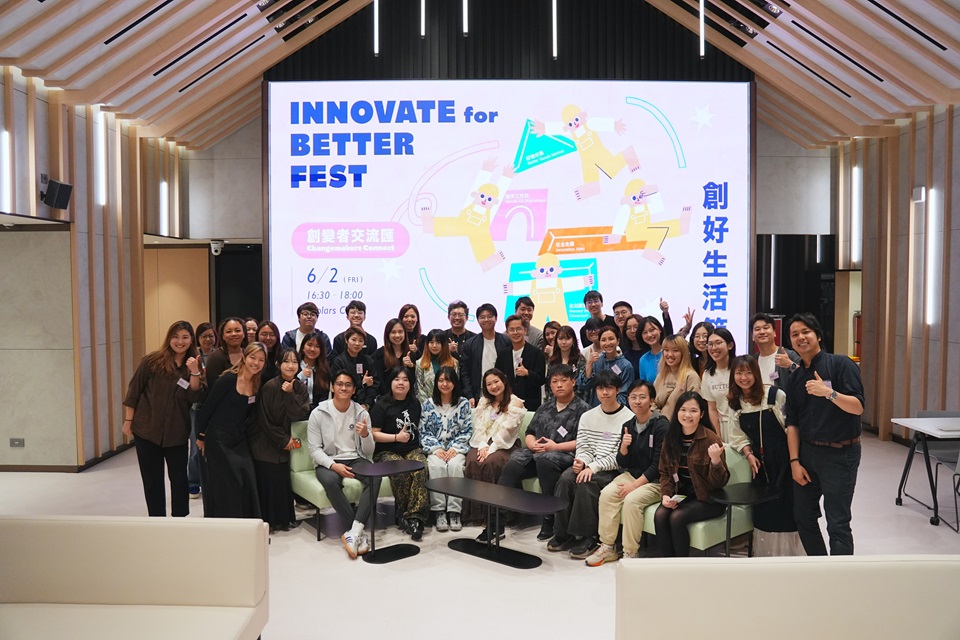
Raising awareness on mental well-being, educating people on refugee situations and promoting organic farming and sustainable agriculture have one thing in common. These are pressing social issues that HKBU students have been trying to tackle by developing innovative solutions.
As groups of undergraduate students from different disciplines presented their social innovation initiatives at the Innovate for Better Fest, it was clear that HKBU has cultivated a culture that fosters social innovation, creativity and collaboration.
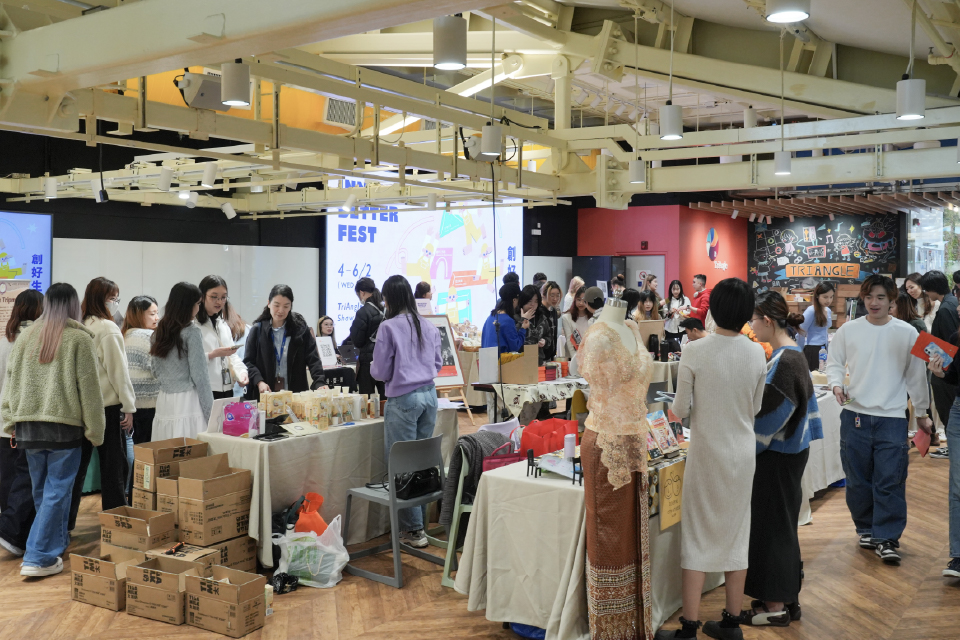
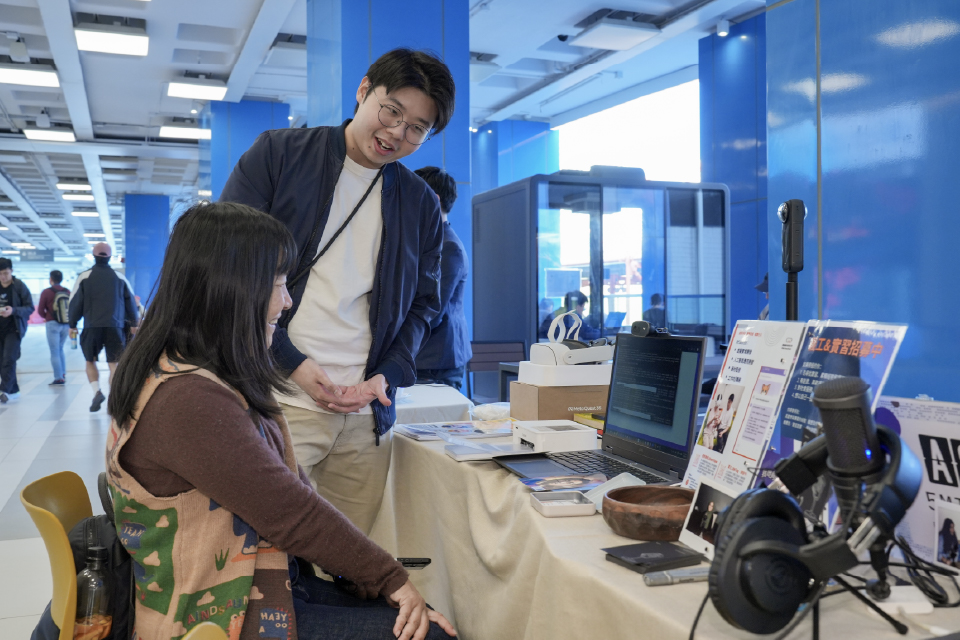
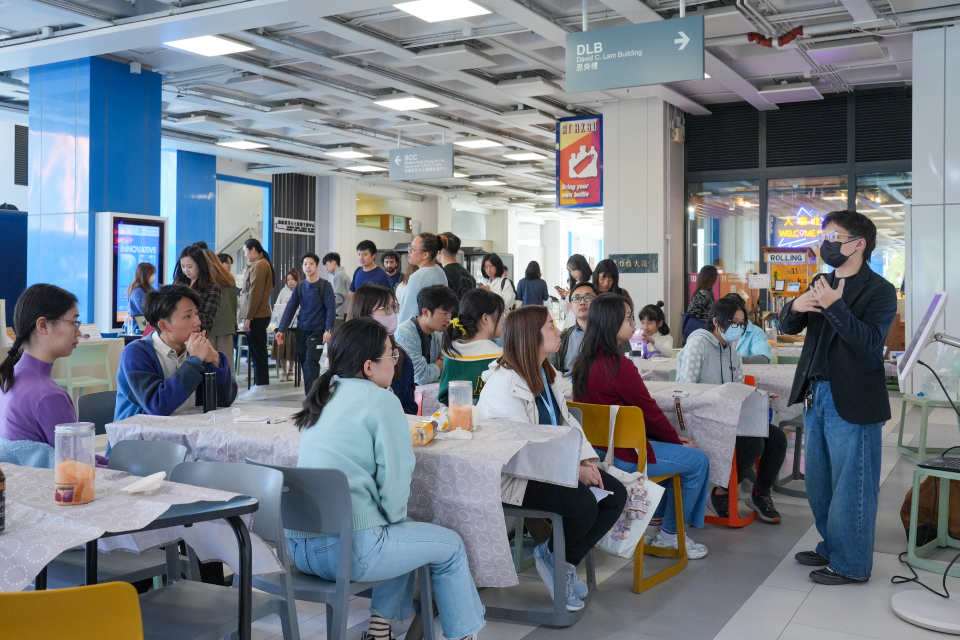
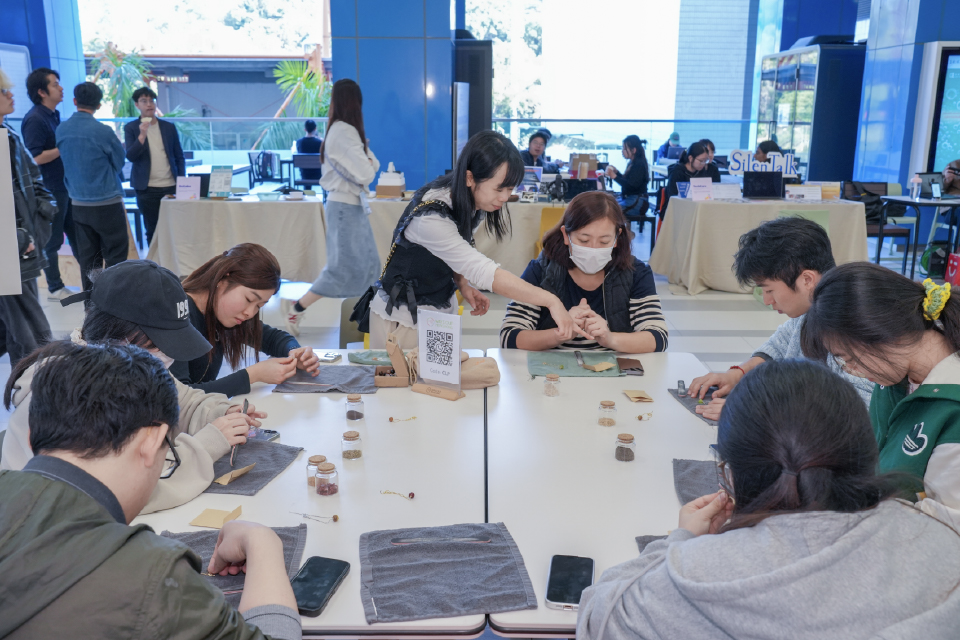
Organised by TriAngle, a social innovation co-working space of the Centre for Innovative Service-Learning, the Innovate for Better Fest ran from 4 to 6 February and featured a wide range of startups and hands-on workshops led by young social entrepreneurs, as well as HKBU student projects aimed at solving real world challenges.
Shining light on students' social innovation initiatives
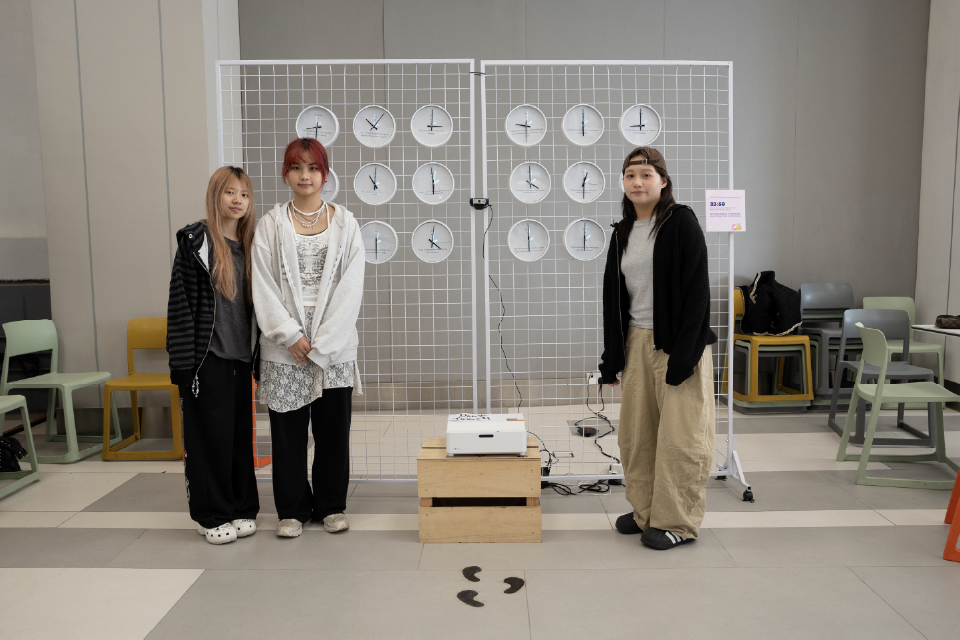
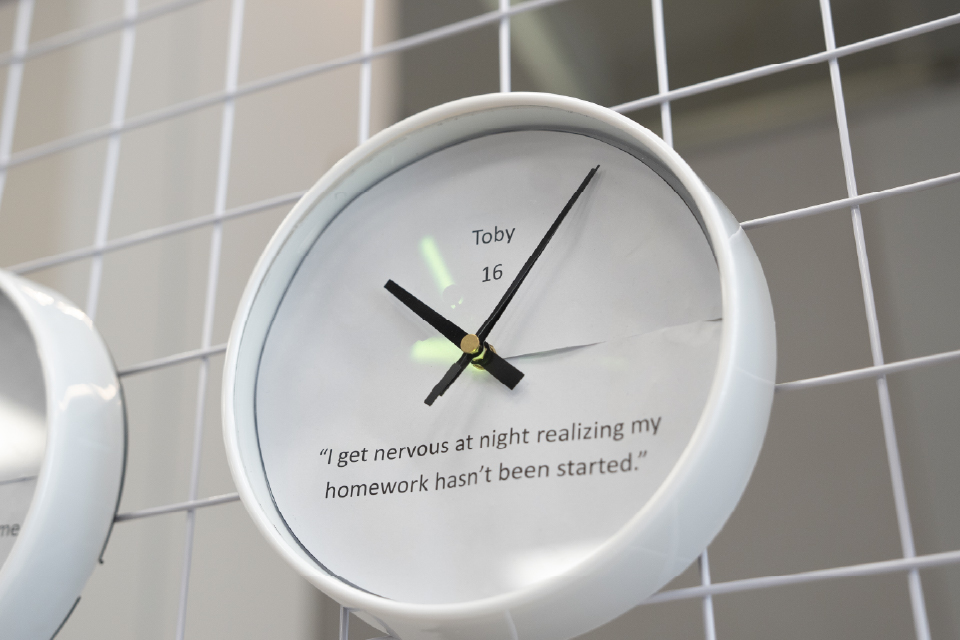
For the students, the event served as a platform to showcase their projects beyond the classroom. One of the projects featured was an interactive installation developed by Charlotte Lau, an Arts and Technology Year 4 student, and her group for the service-learning course Studio: Experience Design. “Our project is titled 23:59, and the name symbolises the anxiety students may experience when the time for submitting assignments is approaching,” Charlotte says.
“We surveyed people aged from 13 to 76 on what they feel stressed about, and their views are shown on a set of clocks. These clocks will tick faster when visitors walk near, creating a sense of tension,” she says. Through this interactive work, the group hopes to inspire people to rethink their work style and help them better manage their reactions to pressure.
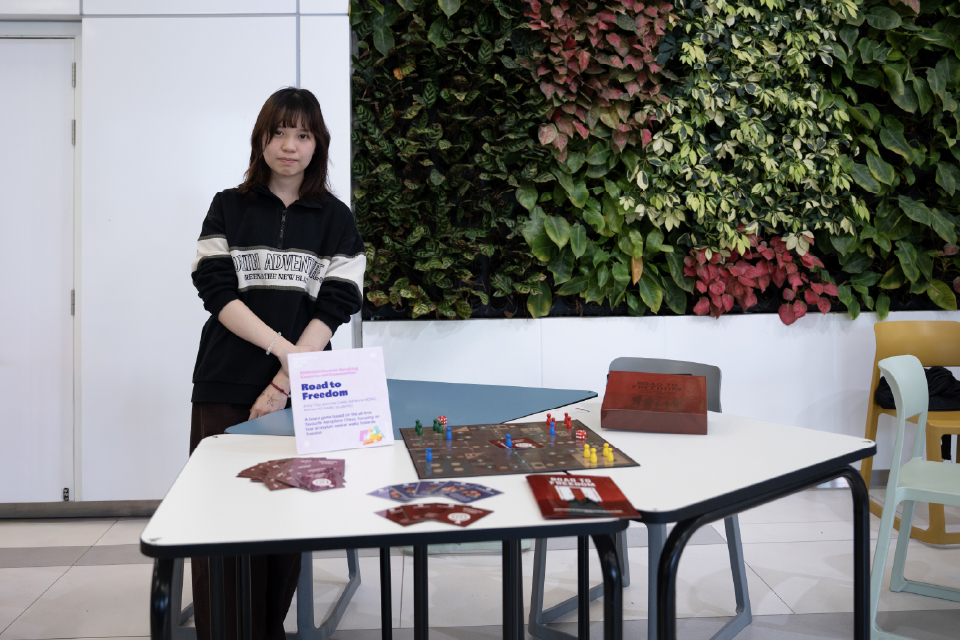
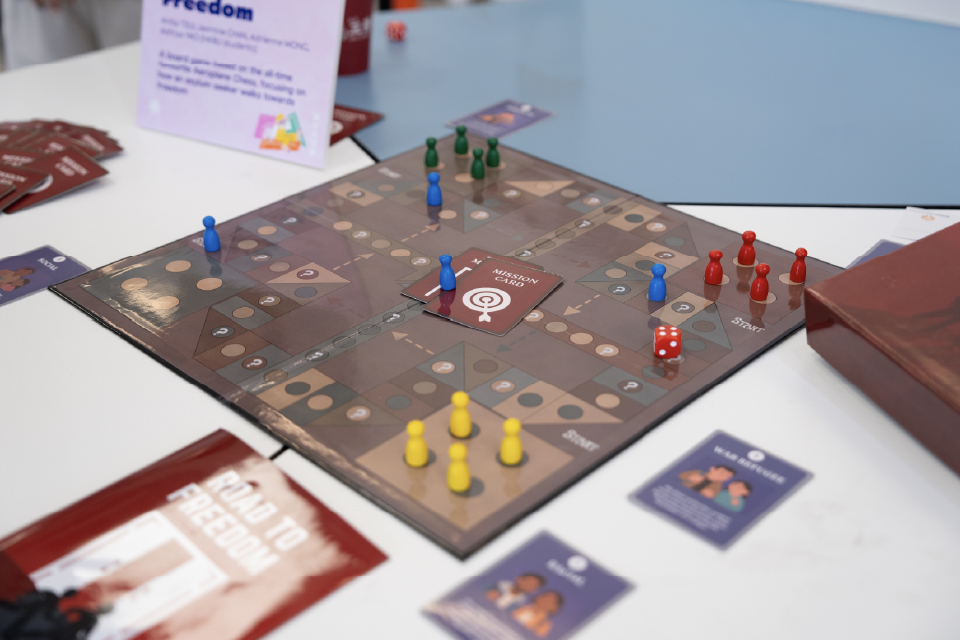
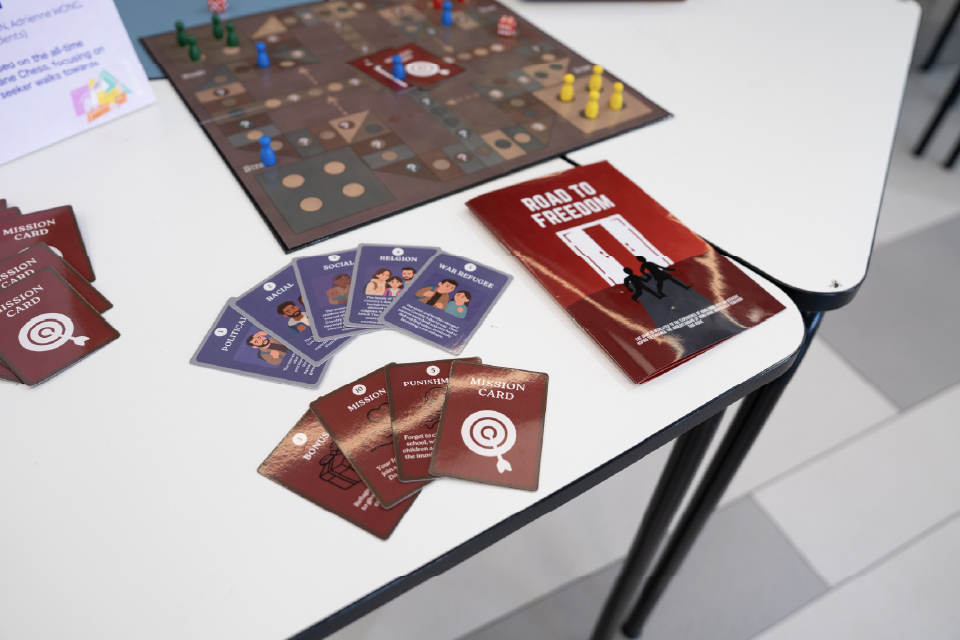
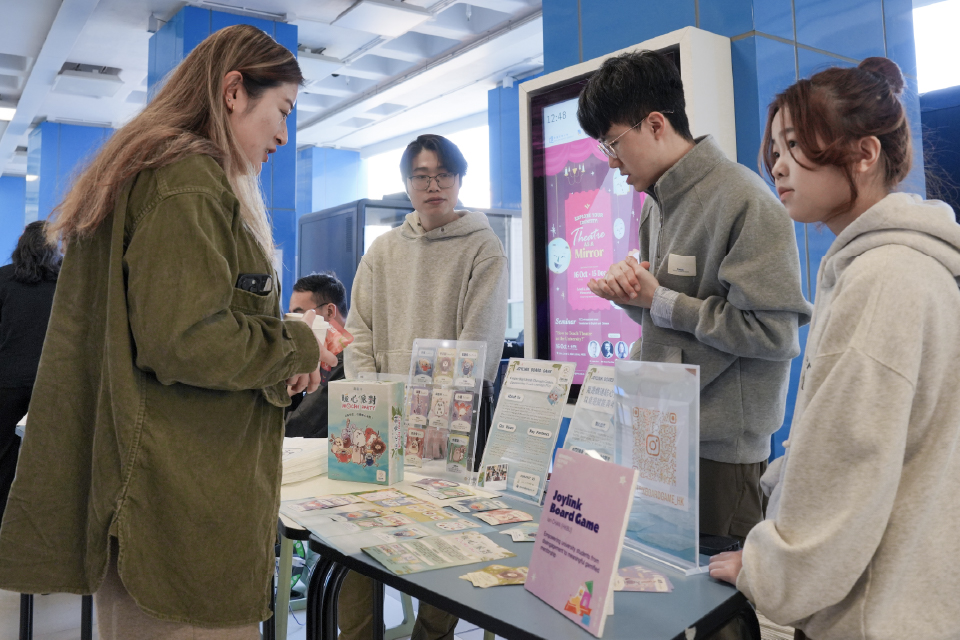
For European Studies Year 4 students Jasmine Chan and Mini Luk, the event provided them with an opportunity to increase awareness among the HKBU community on the challenges faced by asylum seekers and refugees in Hong Kong. Based on aeroplane chess, a popular board game, Jasmine and her team designed an educational game that immerses players into the roles of asylum seekers who came to Hong Kong under various circumstances. “Our game includes a range of mission cards that give the players different objectives and conditions, with the aim of enriching people’s understanding of the hurdles asylum seekers have to overcome in their everyday life,” says Jasmine.
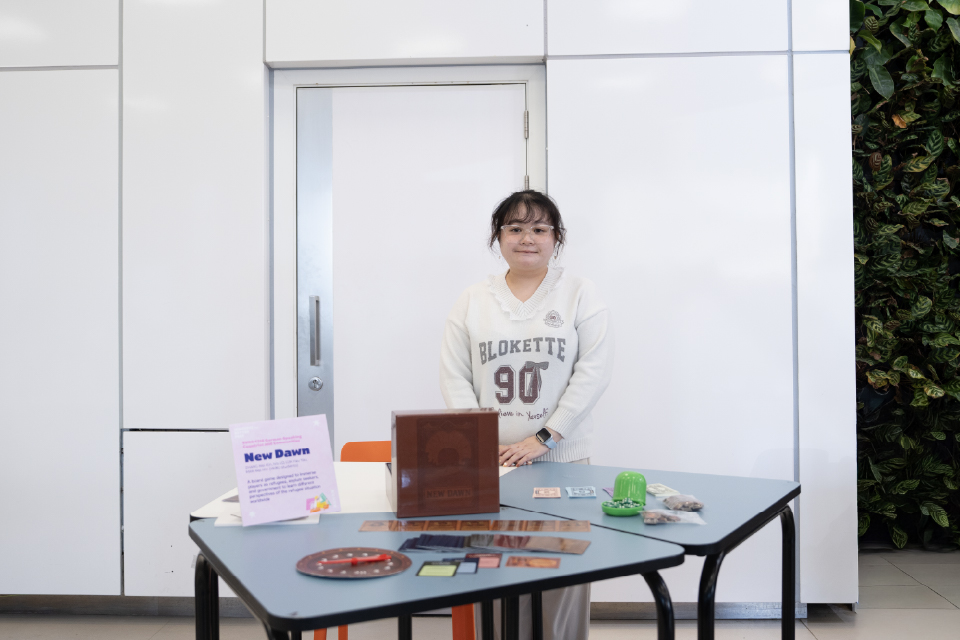
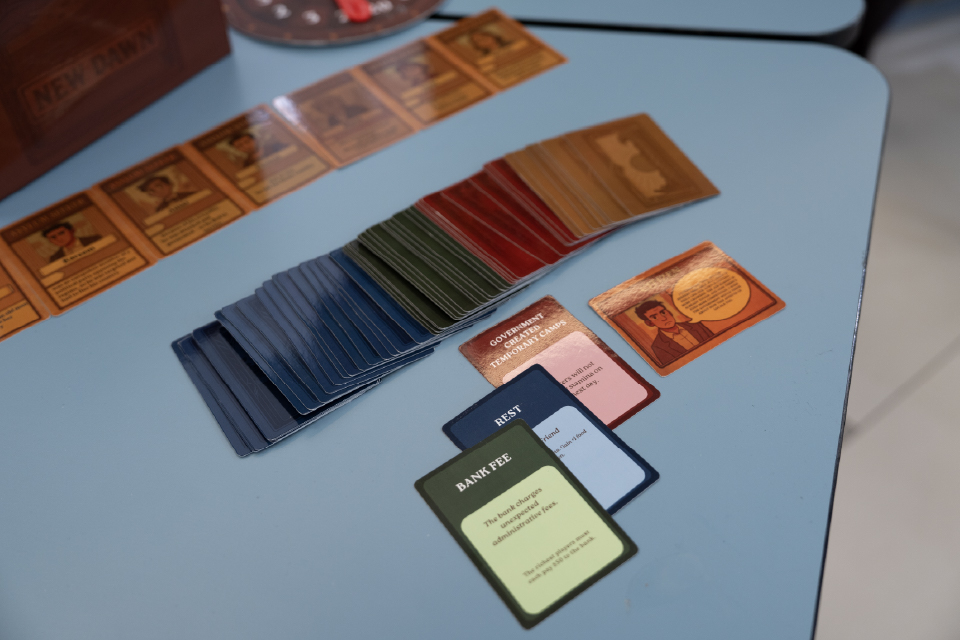
Similarly, the role-playing board game developed by Mini and her team allows players to gain new perspectives on how different stakeholders in society may view refugees and asylum seekers. Mini says: “Through a gamified approach, we hope to create an engaging experience to increase people’s awareness on the reality of refugees and asylum seekers.” These board games were among the learning outcomes of a service-learning course German-Speaking Countries and Communities, and one of the games will be selected for distribution to schools and organisations to help educate the younger generation.
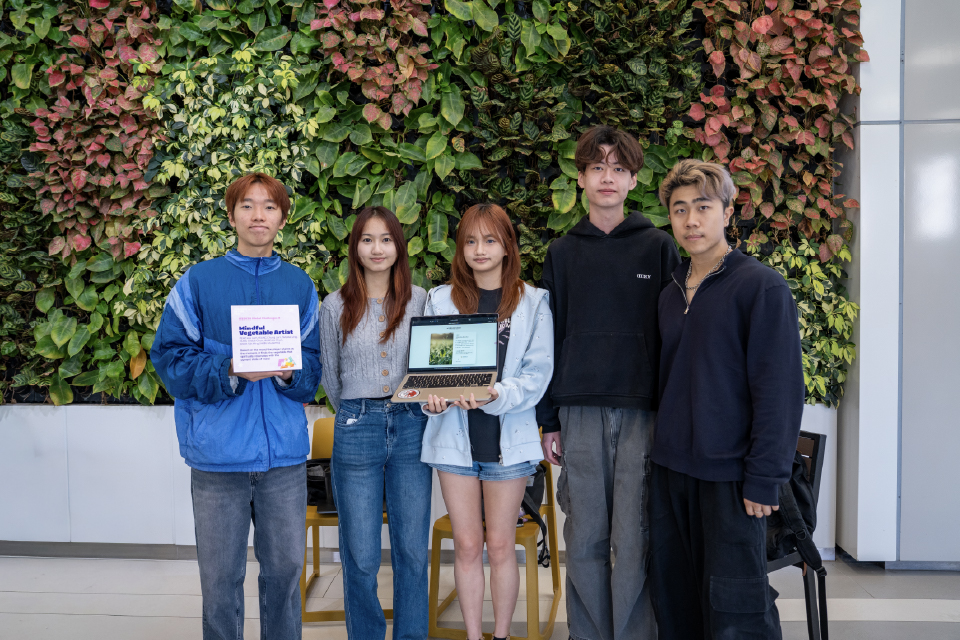
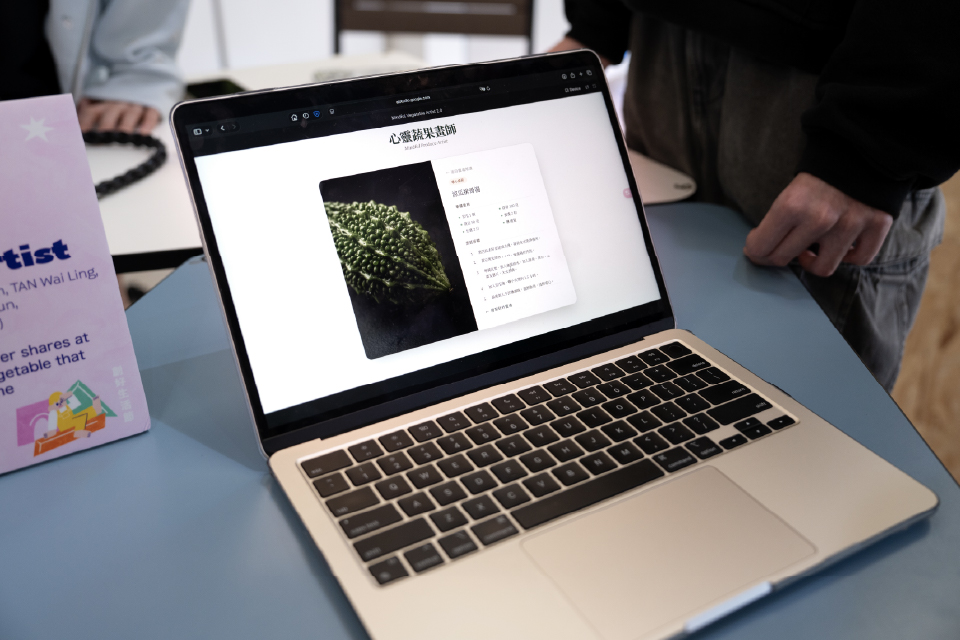
Another project saw students of the course Global Challenge II making use of technology and applying creative problem-solving techniques to promote sustainability. In collaboration with organic farms, a team of students majoring in Innovation in Health and Social Well-Being as well as Individualised Major developed an online platform called “Mindful Vegetable Artist”. Users can input keywords that best describe their moods at the moment. The platform then suggests specific vegetables and recipes that the users may be interested in. The students have also set up a booth at an organic farm to engage customers and encourage them to select organic vegetables.
A showcase on design thinking in action
Besides featuring students’ projects, the Innovate for Better Fest hosted local startups and social enterprises founded by HKBU students, offering goods ranging from baking products to plant-based food solutions and upcycled jewellery. At the event, visitors also met with representatives from social enterprises and non-profit organisations to learn about different initiatives driving positive impact on society.
In addition, a series of workshops was held to encourage participants to practise sustainable actions in their daily lives.