Discover HKBU
Turning curiosity about GenAI into capability
31 Mar 2026
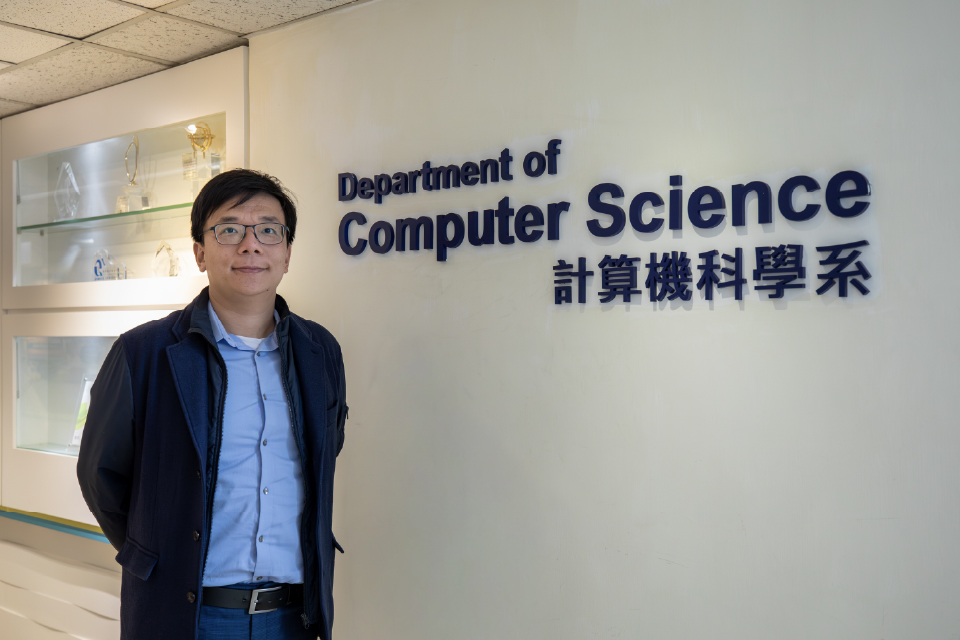
For Dr Wilson Yu, Lecturer I of the Department of Computer Science, understanding generative AI (GenAI) is best learnt by hands-on participation. “At university, you must learn AI — and learn to use it well,” he says. “If students are interested, they learn more and they learn fast. My job is to spark their curiosity, enable them to apply their knowledge and encourage active learning.”
Dr Yu, an engineering scientist with a doctoral degree from the University of Oxford, has years of experience working in the industry prior to joining HKBU. An advocate for project-based learning, he teaches the interdisciplinary General Education course “ChatGPT - The start of a new wave of Generative AI”. Centred on practical experience with GenAI tools, the course also covers the applications, creative potential and broad societal implications of these emerging technologies.
Committed to pedagogical innovation, Dr Yu is recently named the winner in the Individual category at HKBU's 2025/26 General Education Teaching Award, which recognises faculty members’ outstanding performance in teaching General Education courses.
Engaging students in experiential learning
Dr Yu’s course is tailored to students who have already acquired basic AI literacy skills, and it dives straight into experiential and project-based learning. In class, he discusses the exponential growth of GenAI applications between 2017 and 2022 to pique students’ interest and then moves quickly into labs and learning activities.
In one lab, students learn to build chatbots using early GenAI tools and compare their work with advanced AI chatbots in the market, noting the evolution of AI models. From there, they analyse different AI assistants to explore the ways AI has shaped consumer journeys. “By assessing AI assistants in real life contexts, students can spot what works, what doesn’t and why,” says Dr Yu. “Our debrief opens up conversations about the future development of chatbots, quality issues, privacy and regulation.”
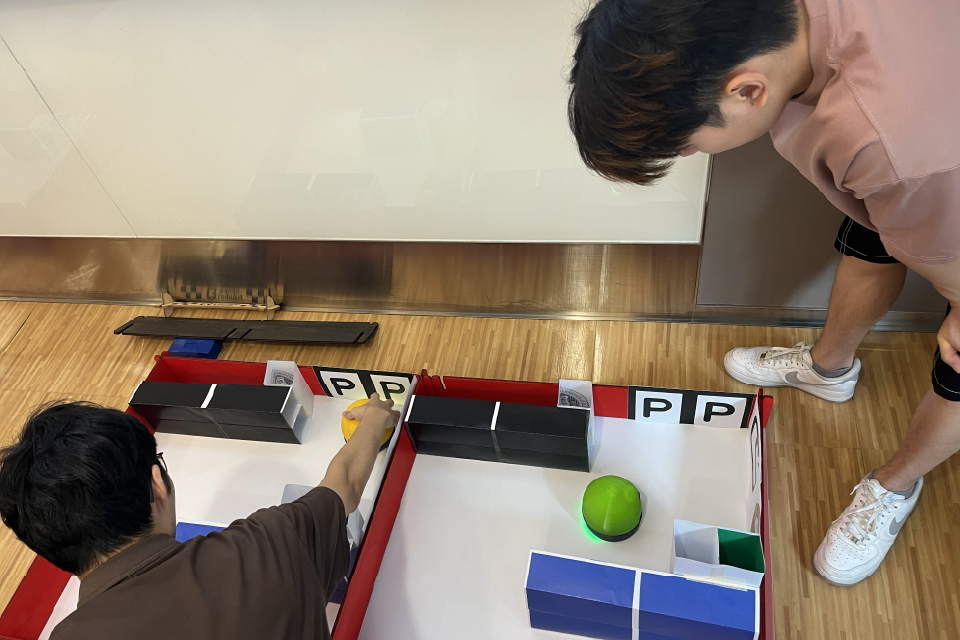
Incorporating practicum into classroom, he teaches students to programme camera-equipped miniature vehicles to navigate obstacles and park autonomously. “Students get hands-on practice using AI to train the model cars, and they experience first-hand how to translate theoretical concepts into applications. They also report on what they have learnt in each lab, helping them consolidate insights and making learning more effective,” Dr Yu says.
Sparking students' interest to learn
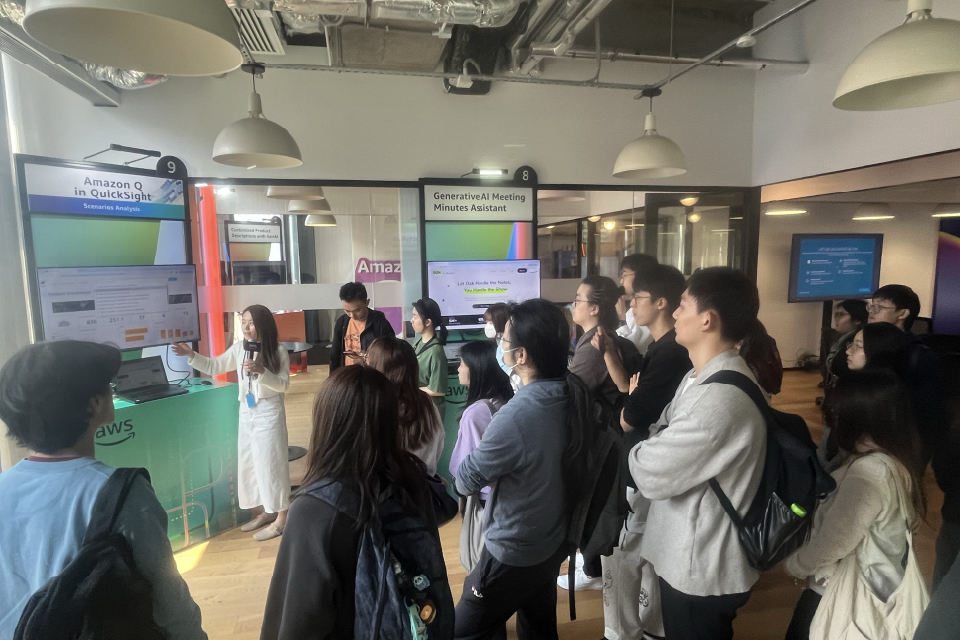
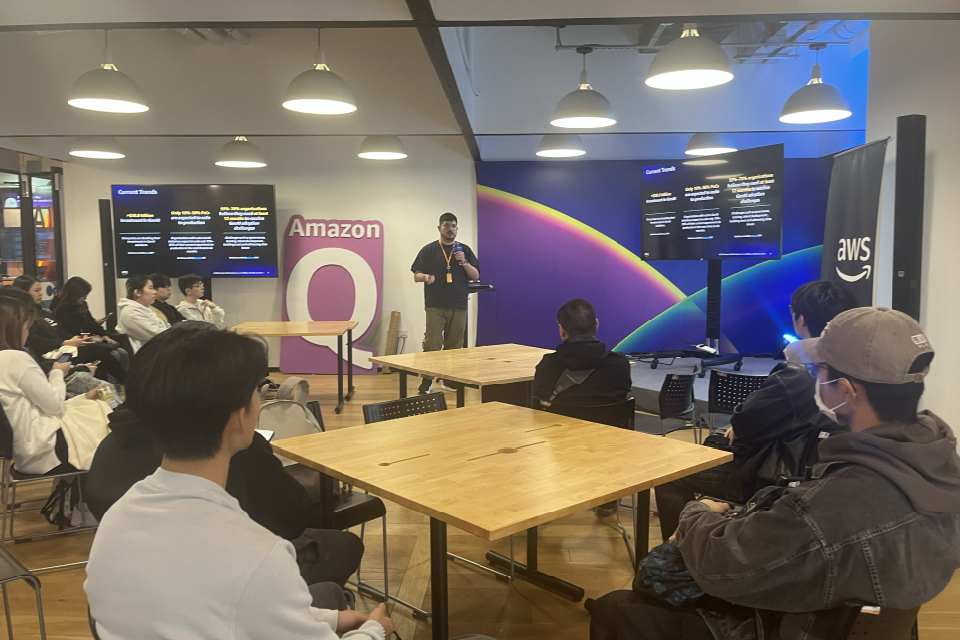
To help students understand GenAI applications in business at a deeper level, Dr Yu leads his class to a visit at an agentic AI experience centre, where students immerse themselves in various engaging activities and experience agentic AI solutions in design, retail and financial services.
Back on campus, students work in teams of four to five and develop their own AI solutions. Dr Yu recalls that one of the student groups tried to build an AI-powered study chatbot for the Hong Kong Diploma of Secondary Education Examination Chinese paper, only to quickly encounter the practical constraints of free AI tools. He notes that the students progressed by trial and error, learning what improvements can be made and how commercial companies approach similar problems in real life.
With more than 60% of the students enrolled in this course coming from non-science disciplines, Dr Yu believes that their performance proves that curiosity and consistency are keys to learning well.
“When the students are curious about using AI tools, they become more interested and motivated to learn more about the related topics, uncover more information and in turn gain more in-depth knowledge,” he says. “If you love something, you’ll naturally do it well.”