Press Release
HKBU breakthrough discovers extracts of Chinese medicinal plants effectively combat viruses causing zoonotic diseases
Monday, 15 June 2026
Recurrent outbreaks of zoonotic diseases have been recorded in different parts of the world, yet existing veterinary antiviral treatment options remain limited and mostly target only a single virus or animal species. A research team led by Hong Kong Baptist University (HKBU) has discovered that extracts from the Justicia Chinese medicinal plants possess strong antiviral properties, which were shown to be able to inhibit multiple viruses such as avian influenza, SARS-CoV-2, and Ebola viruses effectively. HKBU aims to use the breakthrough to support the development of safe and cost-effective antiviral veterinary products as well as animal feed additives. It also opens a new pathway for developing Chinese medicine treatment for veterinary viral diseases and provides essential reference for developing potential drugs for treating viral diseases in humans in future.
Zoonotic diseases caused by viral infections pose ongoing risks to the agricultural and pet industries and have the potential to incur substantial economic losses. Viruses which infect farm animals also pose a genuine risk of transmitting to humans, causing lethal emerging infectious diseases with huge public health impact. The HKBU research team believes that antiviral veterinary drugs play a pivotal role in the prevention and treatment of zoonotic diseases. Given the limitations of current options, making the development of safe and cost-effective antiviral veterinary drugs with a broad spectrum of antiviral properties an urgent priority.
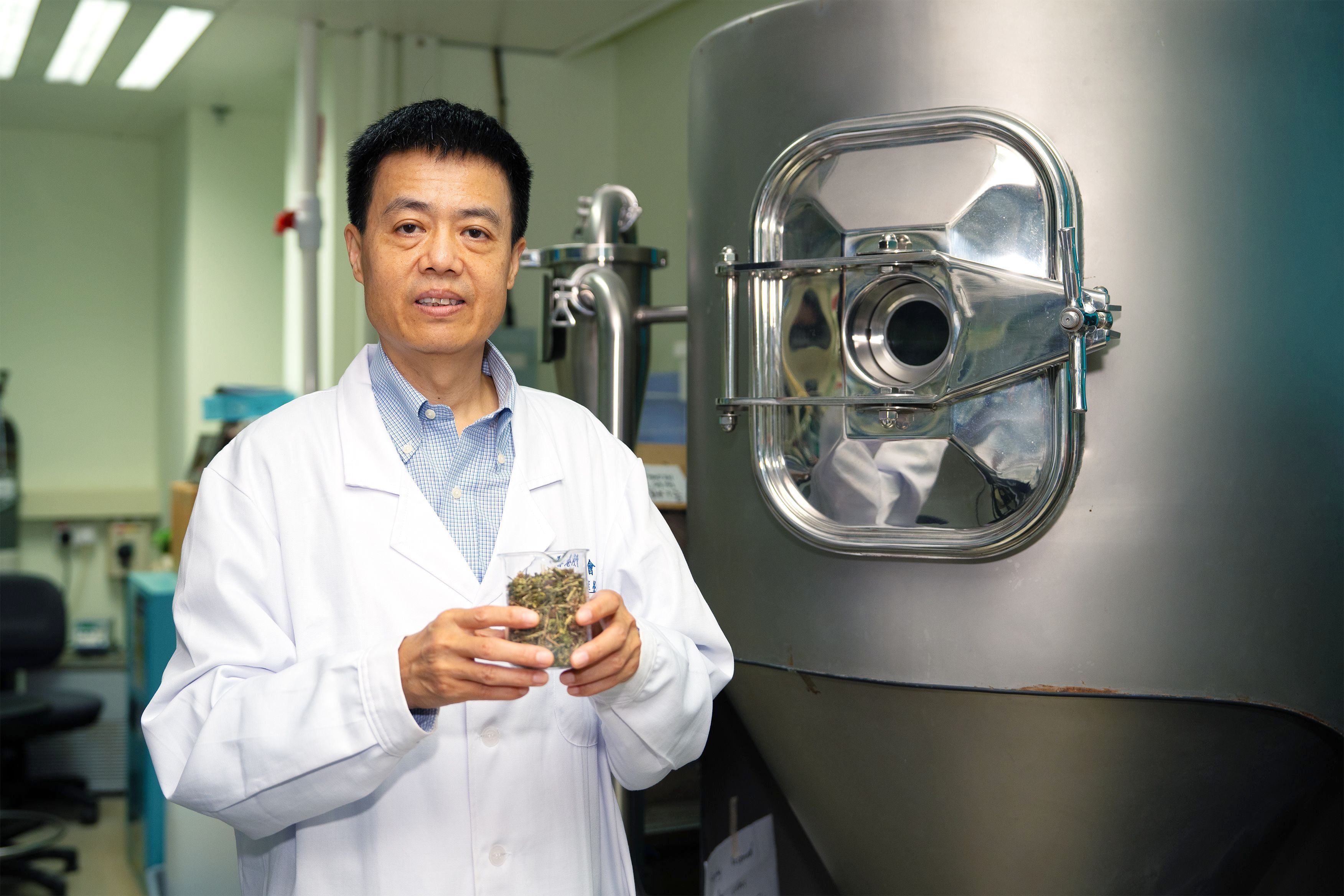
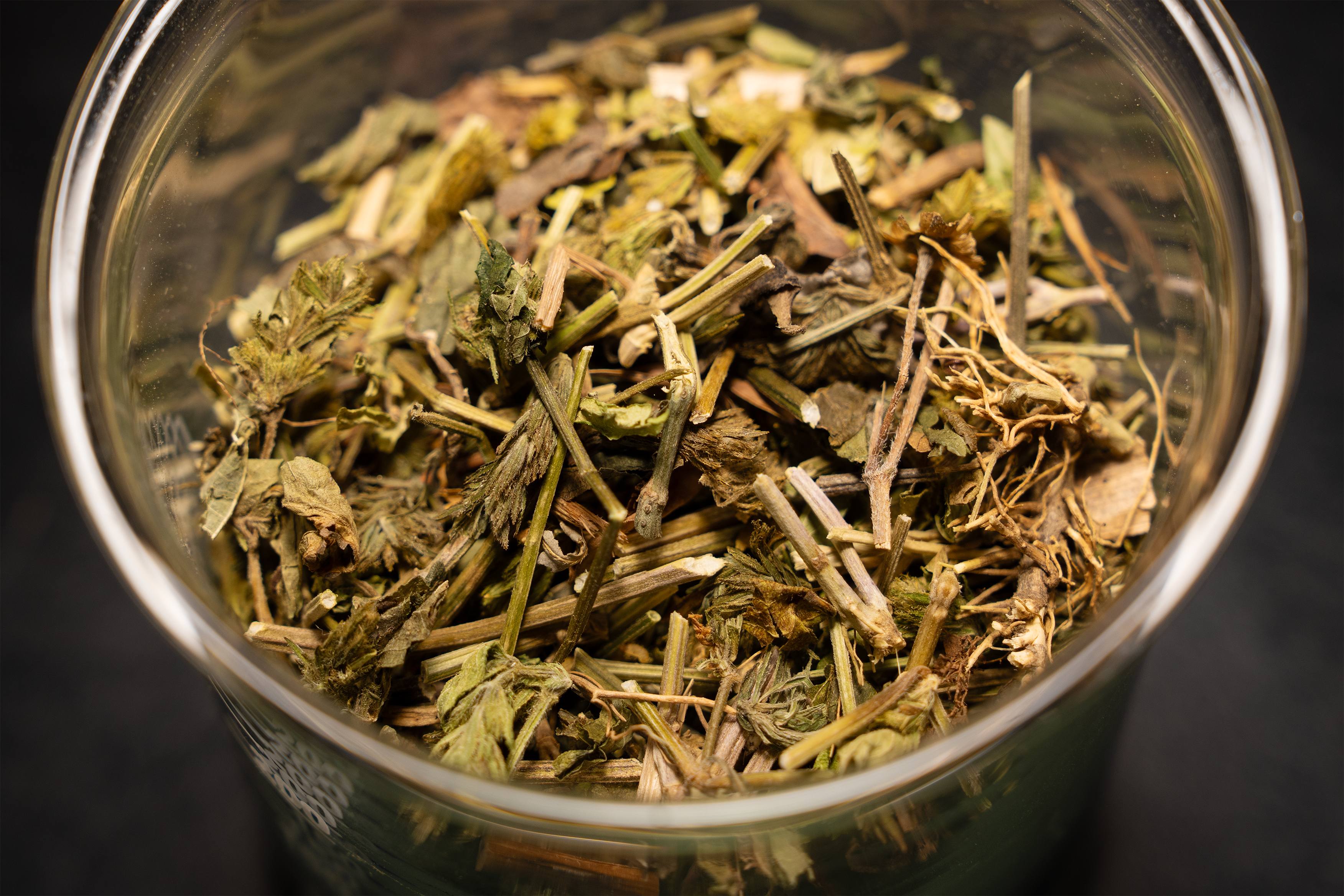
After evaluating over 5,000 tropical plants for their antiviral activities, a research team led by Professor Zhang Hongjie, Associate Dean (Teaching and Learning) cum Chair Professor in Chinese Medicine of the School of Chinese Medicine at HKBU has discovered the Chinese medicinal plants in the genus Justicia exhibit potent antiviral properties. For instance, the researchers found that the extracts of the Justicia Chinese medicinal plant, namely Justicia procumbens, show strong inhibitory effects against the H5N1 avian influenza virus.
Through structure comparison analysis, the research team found that the antiviral compounds in Justicia Chinese medicinal plants are lignans, a class of natural substances known for their diverse biological activities. They inhibit the viral infection process by preventing the acidification of endosomes (intracellular sorting organelles), a crucial step for viral entry into host cells. Subsequent replication of the virus within cells is thus impeded.
This antiviral mechanism enables a single compound to combat multiple viruses. The likelihood of its effectiveness being affected by drug-resistant mutation of viruses is also reduced. With these important characteristics, the extracts of the Justicia Chinese medicinal plants demonstrate a broad-spectrum antiviral property against a range of viruses, such as avian influenza, SARS-CoV-2, Ebola, as well as mosquito-borne viruses like dengue, the Japanese encephalitis and Zika.
Experimental results from the HKBU research team also showed that active compounds in extracts from Justicia Chinese medicinal plants are effective at low concentrations without causing toxicity to animal cells, indicating significant potential for the development of safe antiviral drugs. It also offers a cost-effective solution for large-scale medication needs, as apart from the extraction from the Justicia Chinese medicinal plants, these active compounds can also be obtained through chemical synthesis, with production costs significantly reduced.
Professor Zhang said: “Leveraging the unique advantages of extracts and active compounds from Justicia Chinese medicinal plants, we envisage the prospect of developing highly effective, safe, and affordable solutions centred on traditional Chinese herbal medicine. Our goal is to create a new market for Chinese medicine-based feed additives and antiviral veterinary products to improve animal health and contribute to the global agricultural economy. This research also lays the groundwork for developing future drugs to treat human viral diseases.”
The research team is currently conducting preclinical trials to rigorously assess the efficacy and safety of the extracts and related compounds from Justicia Chinese medicinal plants. After the preclinical phase, clinical trials will be initiated to evaluate the safety, effectiveness, and appropriate dosages in specific animal species.
The research received a Silver Award at the Silicon Valley International Invention Festival in 2025. Related research has been published in Antimicrobial Agents and Chemotherapy, Microbiology Spectrum, The Journal of Organic Chemistry, Asian Journal of Organic Chemistry, and Chinese Journal of Natural Medicines.