Discover HKBU
Creating social impact with Hong Chi Association through service-learning
31 Jul 2026
Service-learning, the practice of integrating academic coursework with meaningful community service, has always featured prominently at HKBU. Following the renewal of the Memorandum of Understanding between HKBU and the Hong Chi Association (HCA) last month, students will continue to have invaluable opportunities to translate their academic insights into meaningful impact by helping HCA trainees with intellectual disabilities promote their products and services.
Translating consumer behaviour theory into practice
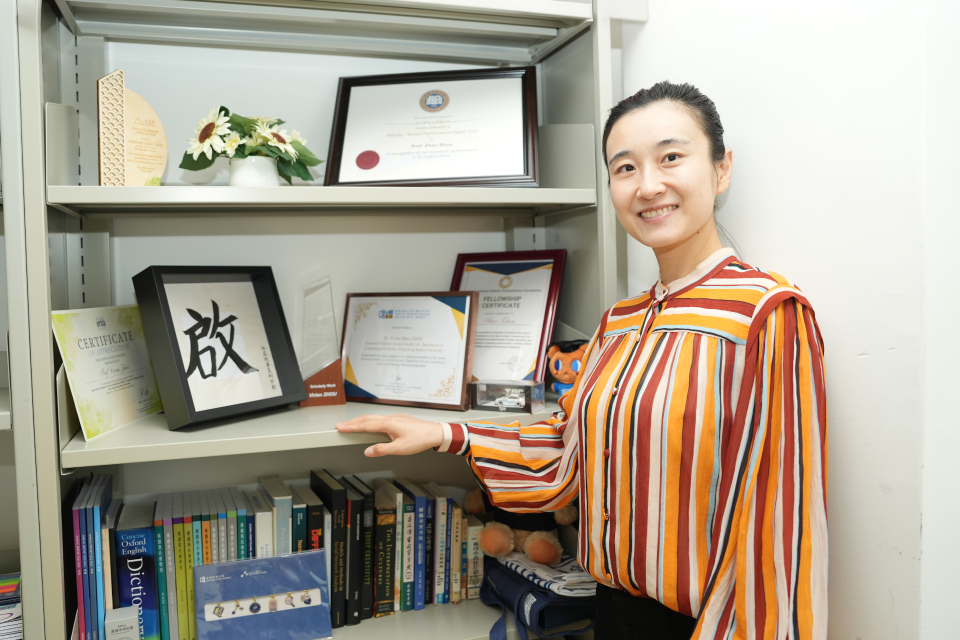
Leveraging this promising collaboration is the service-learning course “Consumer Perspectives in Public Relations and Advertising” taught by Professor Vivien Zhou, Associate Professor of Department of Communication Studies. Students were tasked with translating consumer behaviour theory into practice, and helping HCA develop marketing messages and strategies that resonate and raise HCA’s brand awareness.
As one of the city’s most well-established non-profit organisations, HCA operates multiple social enterprises under its umbrella, from handicrafts and pottery to its famous Pinehill cookies, cakes and café. “Yet there also lies the challenge, as the public is not aware that these well-made products are produced by the talented HCA trainees,” Professor Zhou highlights.
Professor Zhou was quick to stress HCA did not want sympathy purchases. They wanted purchases to be made out of genuine appreciation of the quality work and craftsmanship of their products.
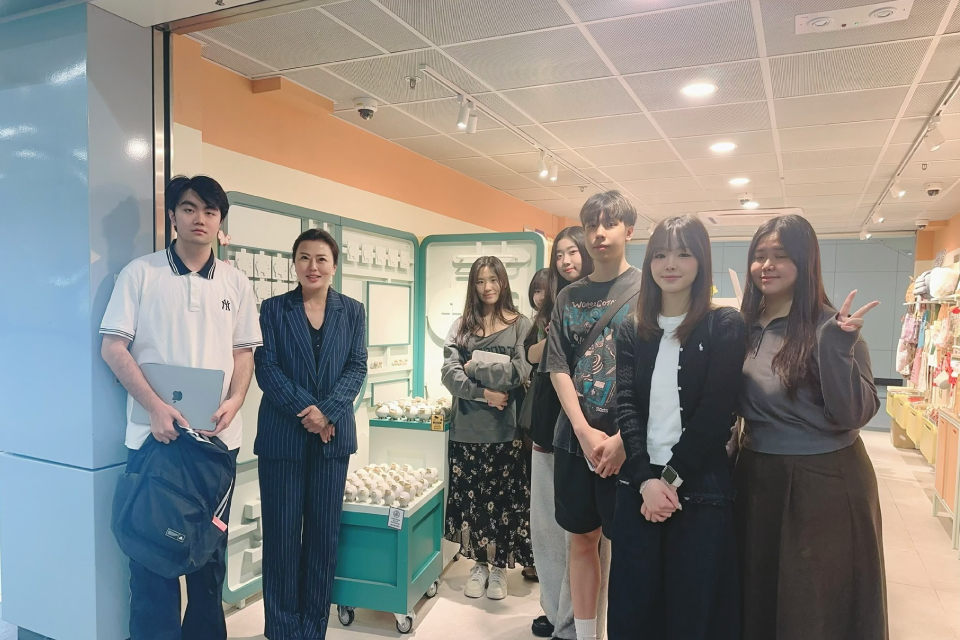
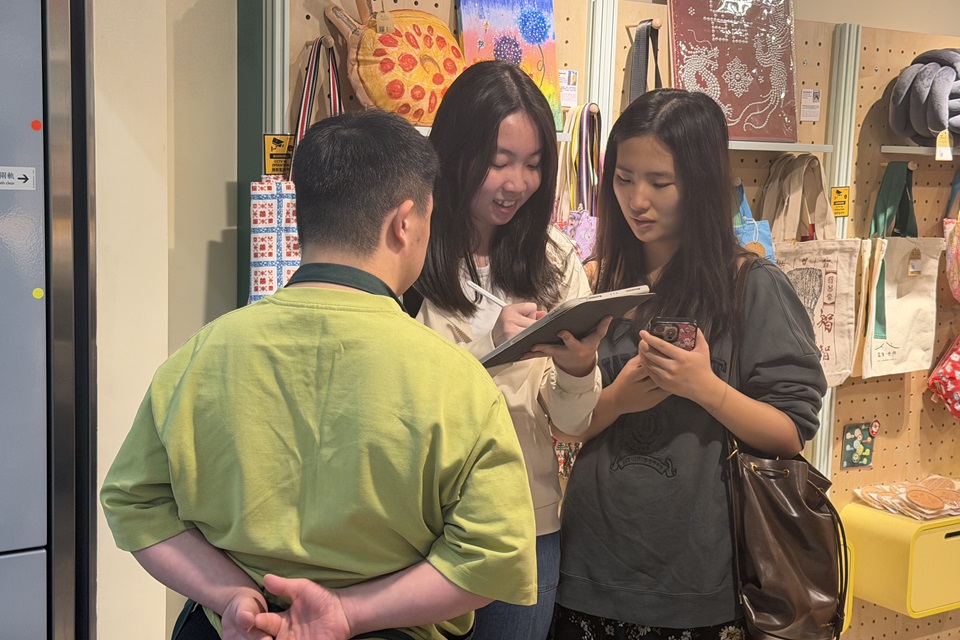
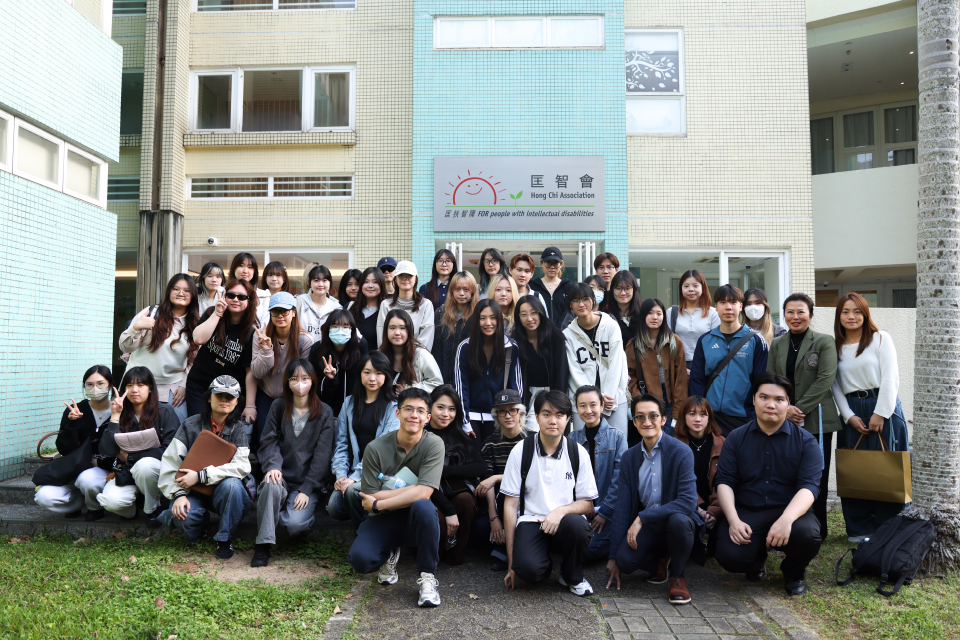
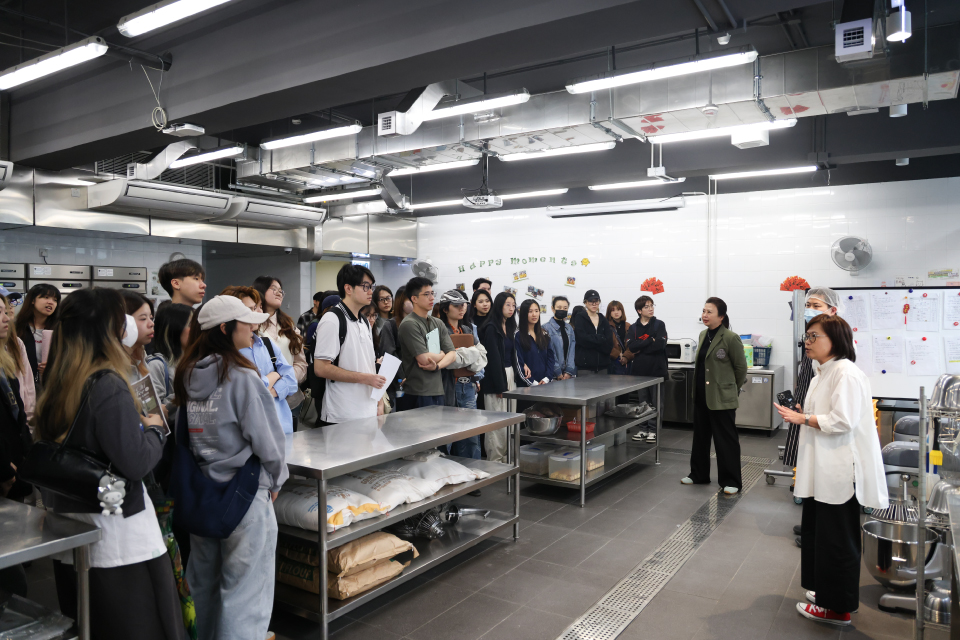
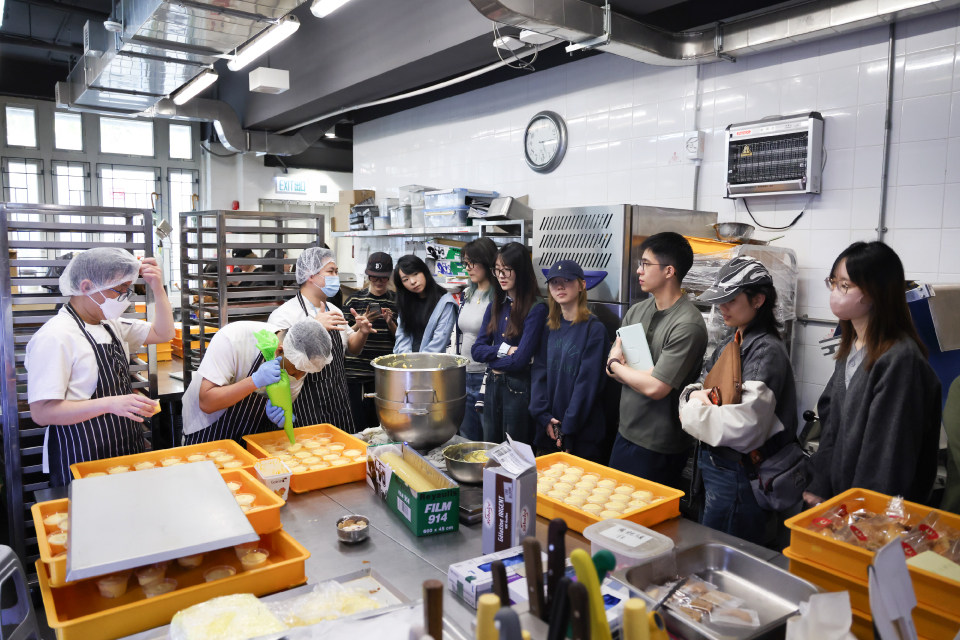
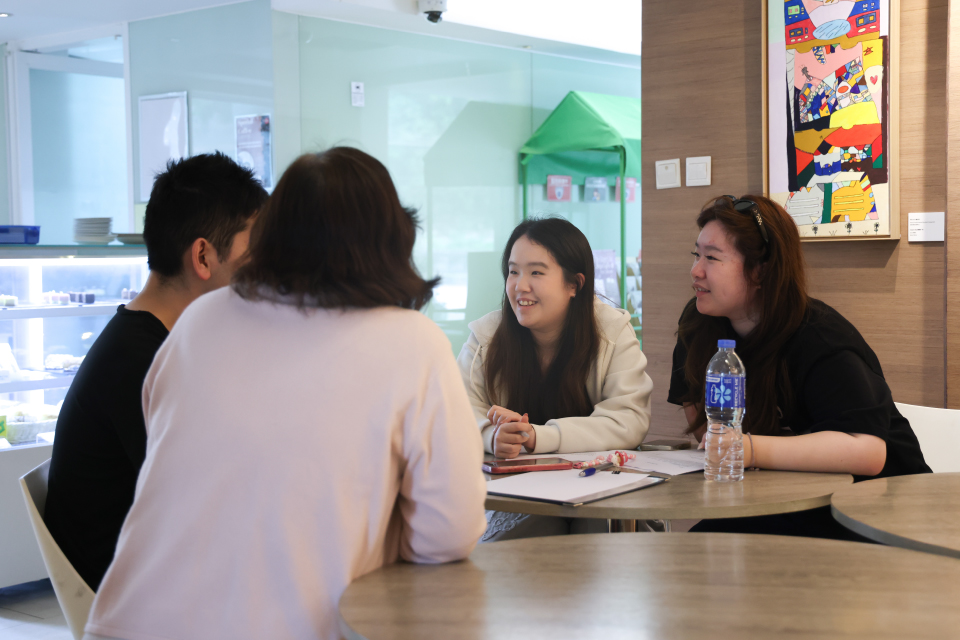
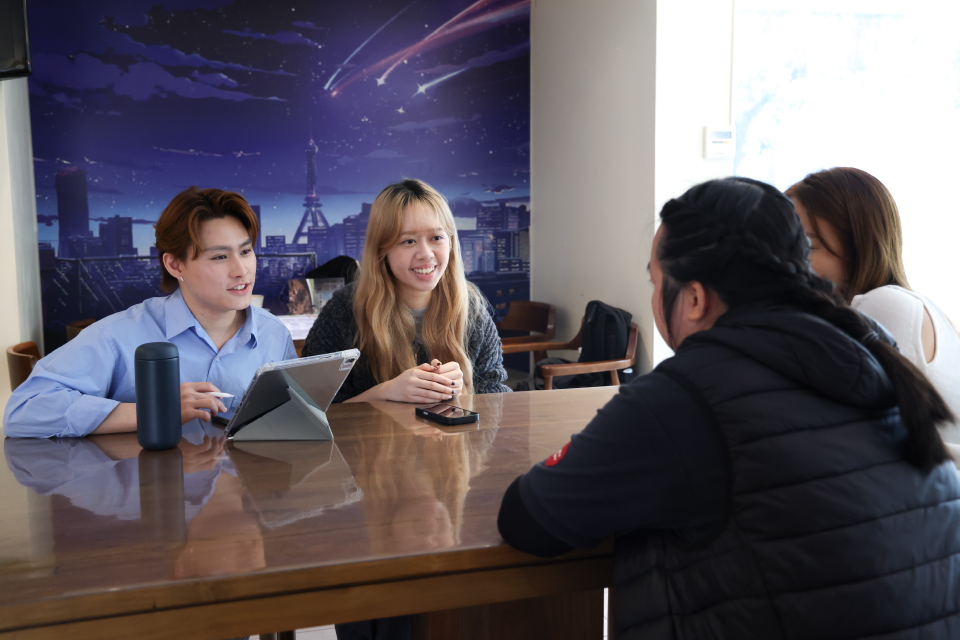
This mission took Professor Zhou and her students to HC. HANDCRAFT, a retail store operated by HCA at Nam Cheong, and the Hong Chi Pinehill Village, HCA’s headquarters in Tai Po, where they observed HCA’s day-to-day services and vocational training programmes. Through interactions with the trainees and staff members, the students were able to identify the challenges and opportunities of promoting inclusive products and services. They then went on to devise marketing strategies tailored to boost the awareness of HC. HANDCRAFT’s presence and products in the community.
The first group of 15 students proposed to revamp HCA’s website and online shopping platform to improve usability and drive sales. The second group of 12 focused on storytelling as a promotional strategy, producing videos and social media content that showcased the trainees at work. A third group of 18 students visited HC. HANDCRAFT, engaging with the staff and observing firsthand how sensory elements, down to the scent of the shop and the background music played in the store, can shape a customer’s perception and purchasing experience.
Creating strategies that speak to clients’ needs
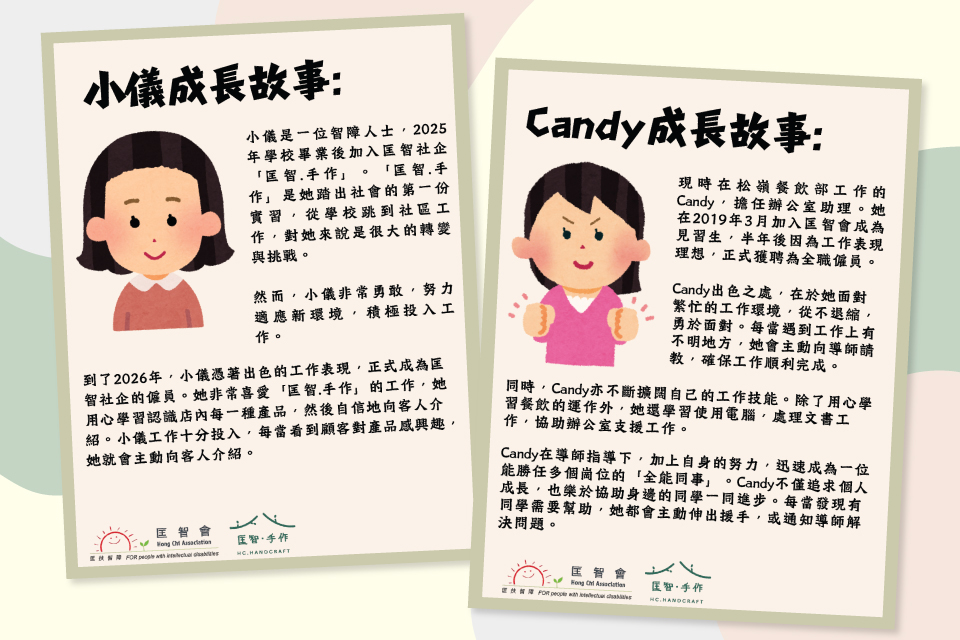
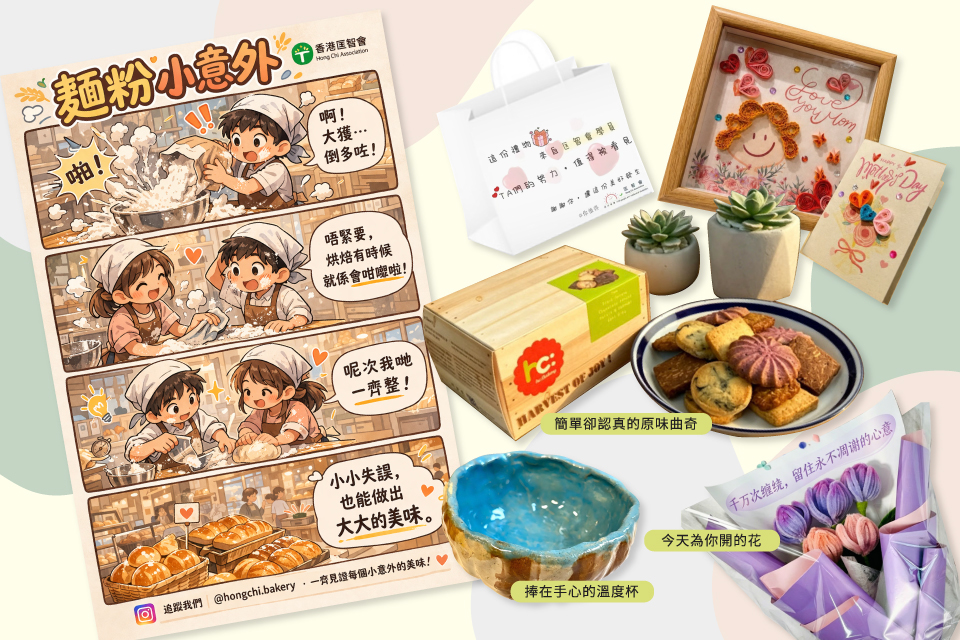
Under the guidance of Professor Zhou, students channelled their powers of observation and marketing savvy into findings that HCA found both feasible and adoptable. The course proved to be gratifying not only for the students, but also served as a powerful validation of the understated yet remarkable talent of the HCA trainees. The students’ proposals, including posters and social media strategies, eventually found their way to HCA’s advertising and marketing drawing board. Some students were invited by HCA to explore the potential implementation of these strategies in the future.
“What began as an ‘ideal’ service-learning concept evolved into something mutually beneficial. In their self-reflections, many students said they found the sense of purpose empowering, knowing they were able to turn what they learned about advertising into tangible brand awareness and potential revenue for the organisation,” Professor Zhou concludes not without a sense of pride.
Since the initial collaboration agreement in 2024, HKBU and HCA have collaborated on 14 projects, benefiting over 260 participants from eight Hong Chi schools and 12 service units. More than 250 HKBU students and instructors across four faculties and schools, including the Faculty of Arts and Social Sciences, School of Business, School of Communication, and School of Creative Arts, have taken part in these initiatives.
Building on the achievements of the past two years, both parties will co-create learning activities, encourage knowledge and skills sharing, and provide opportunities for students and service users to participate in community projects.